Attractions
Visiting The Story Museum in Oxford: Practical Family Review, Age Guide, and Tickets
Updated 28 November 2026
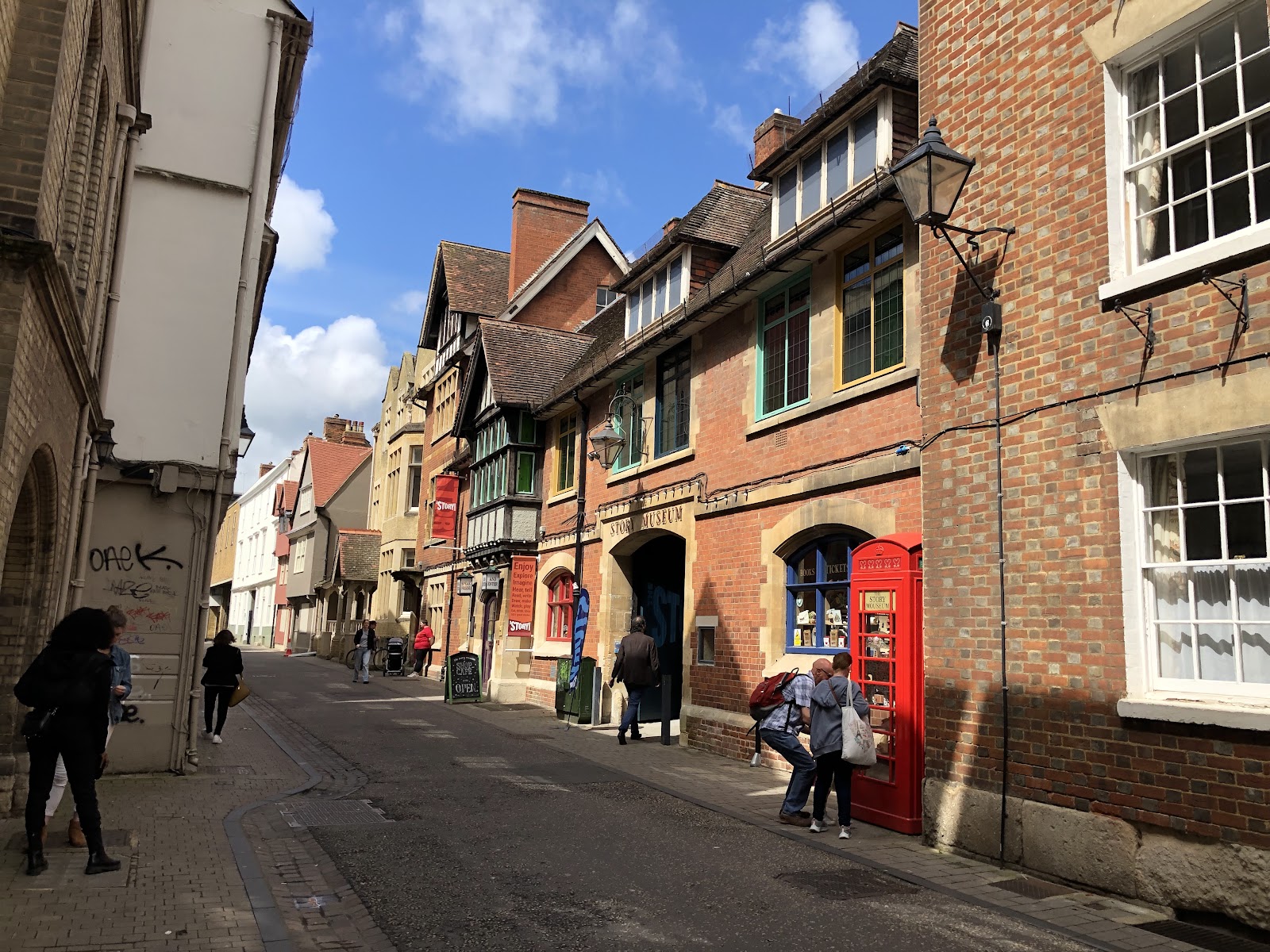
When travelling with curious children, finding cultural spaces that cater to imaginative exploration rather than quiet observation is a true delight. Situated right in the historic heart of the city at Rochester House on 42 Pembroke Street, The Story Museum in central Oxford stands apart from conventional institutions. Rather than relying on traditional cases packed with quiet artefacts to read about behind glass panels, this venue is built entirely around an active ethos: celebrating the transformative power of narrative to inspire, enrich, and ignite young minds. In this comprehensive story museum oxford review, we will take a deep dive into what families can expect across its imaginative zones, examine the museum's age suitability, break down ticketing arrangements, and look at how to organize your day out in Oxford.
Oxford has long enjoyed a rich literary legacy, having sheltered countless celebrated storytellers, poets, and scholars throughout the centuries. Yet, while places like the Ashmolean Museum of Art and Archaeology or the Weston Library showcase extraordinary historical volumes and scholarly treasures, The Story Museum takes a refreshingly vibrant, multisensory approach. Here, literature is not merely displayed—it is inhabited, heard, played, and lived. If you are preparing an itinerary and asking yourself whether this unique space will work for your own children, read on for an observant, practical guide to making the most of your visit.
The Core Mission and Atmosphere of The Story Museum
At its heart, the core mission of The Story Museum is to inspire and enrich young minds through storytelling in every conceivable medium. The museum recognizes that stories are fundamental to how children understand themselves, connect with different cultures, and develop essential early literacy skills. Instead of asking children to stand quietly, the venue invites them into vibrant narrative settings where sound, tactile puzzles, and physical role-play drive the entire experience. This innovative focus has garnered widespread national acclaim; in 2025, The Story Museum won both the prestigious J.M. Barrie Award for Outstanding Contribution to Children’s Arts and the Muddy Stilettos award for Best Family Attraction.
What surprises many parents is just how little traditional reading is demanded inside the galleries themselves. Rather than navigating lengthy explanatory placards or text heavy information boards, children engage with oral traditions, dynamic audio recordings, and hands-on environmental installations. This design choice ensures that emerging readers, reluctant bookworms, and enthusiastic book lovers can all encounter the world of stories on completely equal footing, absorbing tales naturally through drama, movement, and play.
Understanding the Layout: Primary Zones by Age Group
One of the most essential aspects of planning your trip is understanding how the museum is physically and conceptually divided. The Story Museum designs its core spaces deliberately around child development stages. Primarily, the venue features two distinct paths: Small Worlds, which is crafted specifically for infants, toddlers, and preschoolers aged 0 to 5, and the main Galleries, which are tailored directly for children aged 5 and older. Because these areas run on separate schedules and require dedicated admissions, choosing the right space for your family dynamic is essential.
For families visiting with children spanning different developmental stages, this distinct age separation requires careful consideration. A child over five will quickly outgrow the gentle sensory offerings in Small Worlds, while an energetic toddler may miss out on the interactive narrative subtleties in the main gallery spaces. If your travelling group features a wide age gap, reviewing the individual zone descriptions below will help you decide which path best fits your children's developmental interests.
Small Worlds: The Dedicated Space for Ages 0 to 5
For parents travelling with babies, toddlers, and preschoolers, Small Worlds offers a gentle, dedicated haven away from the bustle of older children. This whimsical space focuses entirely on nursery rhymes, imaginative role-playing, and foundational storytelling. Within this sensory-friendly landscape, the focal point is a massive, shared bed where families can gather together, sink into comfortable cushions, and listen to enchanting tales told aloud.
Access to Small Worlds is arranged via dedicated 60-minute storytelling and play sessions. Throughout each timed hour, youngsters are encouraged to dress up, handle interactive props, and explore tactile corners inspired by beloved early childhood rhymes. Because the capacity is kept focused and calm, little ones have ample room to crawl, roam, and build confidence through pretend play without becoming overwhelmed by the louder, faster movements of school-aged visitors.
The Whispering Wood: An Indoor Forest of Audio Tales
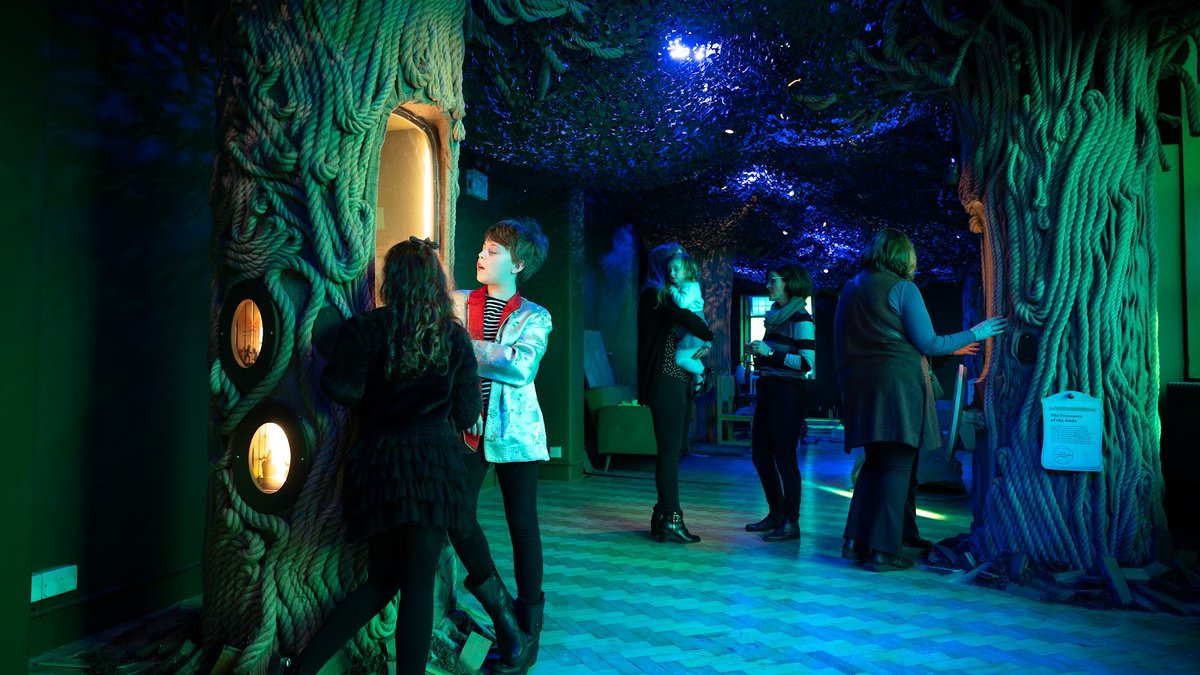
For children aged 5 and up, a journey into the main Galleries typically commences at The Whispering Wood. Designed as an enchanting indoor forest, this captivating environment is dotted with stylised trees that shelter oral storytelling secrets. As visitors wander between the trunks, they activate each tree to reveal internal illuminated dioramas and listen to diverse audio stories broadcast directly through earphones. Because each individual audio track begins afresh the moment headphones are lifted from their rest, children and parents can explore the grove entirely at their own relaxed pace without missing any dialogue.
Beyond listening, The Whispering Wood challenges visitors with simple physical tasks and gentle puzzles integrated into the scenery. Younger school children can test their wits attempting to extract the mythical sword Excalibur from its stone or solve tactile riddles hidden among the branches. It serves as an imaginative decompression zone that instantly shifts children from the busy city streets into a dreamlike world of myth and fable.
The Enchanted Library: Stepping Inside Classic Pages
Progressing further through the main Galleries leads visitors directly into The Enchanted Library. This area transforms beloved classics into walk-through, fully immersive theatrical environments. Rather than looking at illustrations on flat paper, guests can physically step through the fur coats of a magical wardrobe to find themselves standing in the frozen world of Narnia. Nearby, another architectural transition allows children to mimic Lewis Carroll's famous protagonist by tumbling down an imaginative rabbit hole directly into Wonderland.
The Enchanted Library succeeds in making classic children's literature feel immediate, mysterious, and thrillingly physical. By surrounding children with three-dimensional settings, evocative sounds, and ambient lighting, it encourages youngsters to visualize themselves as active characters within classic narratives, bridging the gap between passive consumption and active creative participation.
The Story Arcade: Exploring Digital Narrative and Video Games
Storytelling does not end with traditional books and oral folklore, and The Story Museum embraces modern narrative platforms wholeheartedly. The Story Arcade is a permanent gallery dedicated entirely to exploring how stories are constructed, communicated, and experienced through the dynamic medium of video games. This gallery is fully included as part of standard museum admission, ensuring every visitor has access to its interactive consoles and workstations.
Within The Story Arcade, guests can play through an eclectic selection of narrative-rich video games, spanning nostalgic retro classics to acclaimed contemporary indie titles. Children can tackle playful side-quests, enjoy hands-on dressing-up activities, and experiment with the digital mechanics that scriptwriters, game designers, and digital artists use to build immersive worlds. For older children who may occasionally be skeptical of a literature-themed museum, the Arcade provides an immediate, culturally relevant entry point into narrative craft.
Temporary Exhibitions and Live Performance Spaces
Alongside its permanent installations, the museum maintains dynamic spaces dedicated to changing seasonal content and live performance. The Treasure Chamber hosts the museum’s regular programme of temporary exhibitions. In most instances, access to The Treasure Chamber is seamlessly included as part of a standard Galleries ticket, offering visiting families an extra dose of fresh art and creative exploration without extra booking hurdles.
Additionally, The Story Museum houses the Woodshed Theatre, an intimate, atmospheric performance venue constructed inside the building. The Woodshed Theatre hosts a lively schedule of live events, ranging from author talks and musical performances to puppetry, theatrical showcases, and master storytelling sessions. Attending a live show here brings literature vividly to life, complementing the self-guided gallery exploration with professional stagecraft.
Is The Story Museum Free? Ticketing and Value Guide
A very common question asked by families planning a day out in Oxfordshire is: is the story museum in oxford free? Unlike several of the historic university-run venues across the city, The Story Museum is not a free-entry public institution. It operates as an independent educational charity and requires paid admission tickets to experience its primary spaces. Visitors should note that ticket prices vary depending on source listings and booking avenues, typically serving as baseline indicators between £14.00 and £15.50 per person for gallery admission, with discounted rates for younger children; always check the venue's official website for exact current pricing before you visit.
For families seeking added value, it is worth knowing that holders of a National Art Pass receive a generous 50% discount off standard museum admission. Standard gallery tickets grant full access to The Whispering Wood, The Enchanted Library, The Story Arcade, and temporary exhibits within The Treasure Chamber. Separate tickets are booked for the dedicated 60-minute Small Worlds play sessions, reflecting the specialised staffing and tailored nature of early-years programming.
How Long Does a Visit Take? Time Management for Families
A typical family visit through the main galleries takes roughly 90 minutes. Dedicated Small Worlds sessions for under-5s last 60 minutes, making either option a manageable half-day activity with time for refreshments.
Opening Hours and On-Site Family Amenities
The Story Museum maintains reliable access for travelling families throughout the year. While term-time schedules may vary between gallery spaces, the museum is consistently open daily during Oxfordshire state school holidays, making it a dependable highlight for half-term breaks and summer vacations. Because gallery entry times and Small Worlds slots have limited capacities to avoid overcrowding, booking your arrival window in advance online is strongly recommended.
Navigating an outing with babies or young children requires practical amenities, and the museum is well-equipped. Rochester House features clean, easily accessible on-site toilets equipped with dedicated baby-changing facilities. When little legs need a rest and energy levels flag, parents can take advantage of the welcoming on-site café, which provides an easy spot for light refreshments, tea, and kid-friendly snacks before heading back out into the city streets.
Arrival Logistics and Parking in Central Oxford
Because The Story Museum is located at Rochester House, 42 Pembroke Street, visitors find themselves right within Oxford's historic pedestrian core. Historic Oxford is renowned for narrow medieval lanes and strict traffic restrictions, which means driving directly to the museum door is neither practical nor recommended. Central street parking is extremely limited and subject to high local tariffs.
For those travelling to Oxford by car, the simplest and most cost-effective travel strategy is to utilize the city's established park and ride network. Options like the Park and Ride facility at Redbridge on Abingdon Road offer frequent, direct bus connections straight into the city centre, dropping visitors within an easy, short walking distance of Pembroke Street. Alternatively, families arriving by train will find Oxford station comfortably accessible, allowing you to walk through the historic quads directly to the museum.
Combining Your Trip: Other Oxford Family Attractions
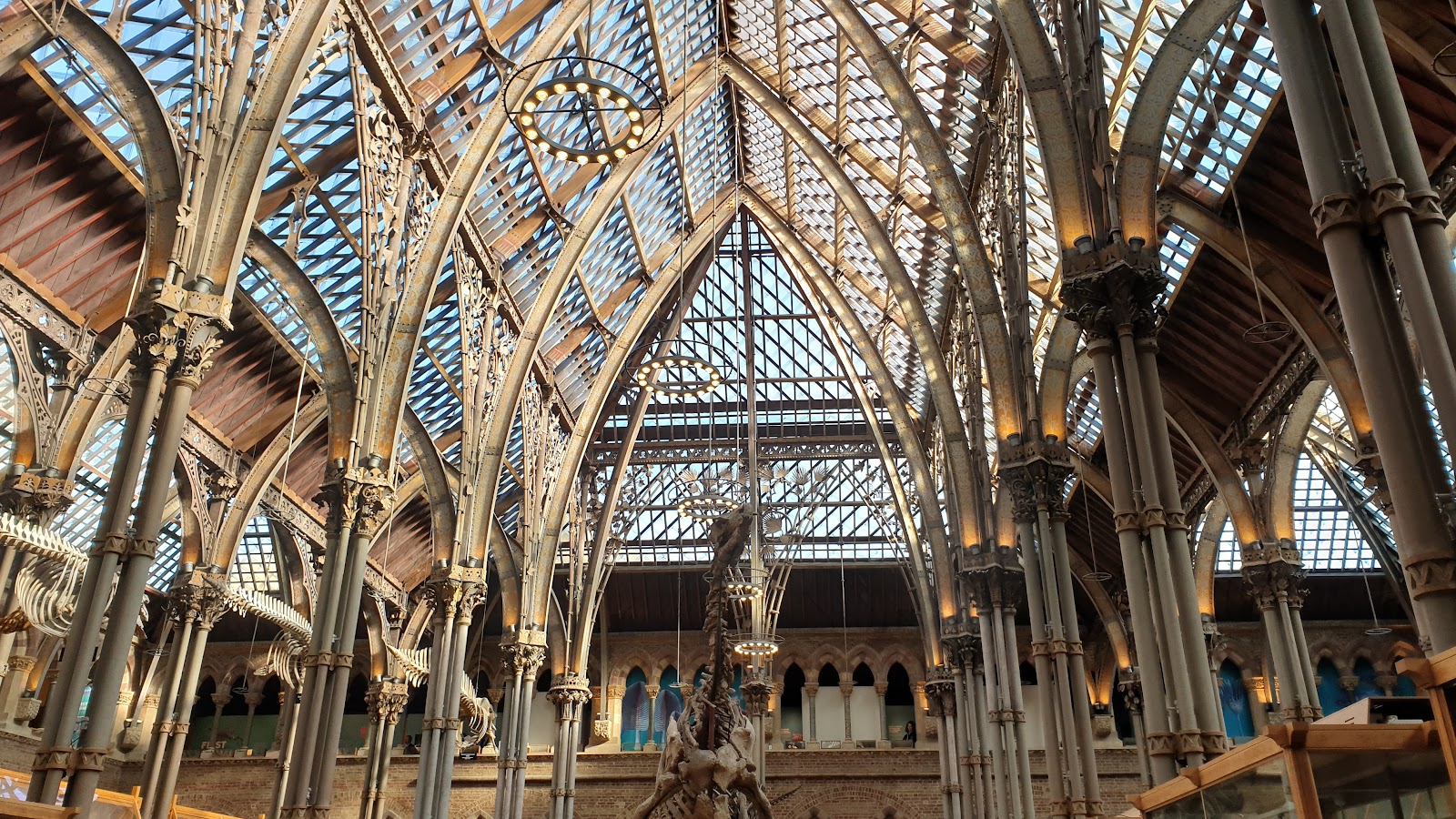
Pair your trip with nearby attractions like the Museum of Oxford, the Oxford Central Library, or the free-entry Oxford University Museum of Natural History and adjacent Pitt Rivers Museum. Science fans can also visit the History of Science Museum.
Practical Tips for a Smooth Family Visit
Book online in advance to secure preferred entry slots, especially during school holidays. Remember that National Art Pass holders receive a 50% discount on standard admission, and choose the Galleries ticket if visiting with mixed-age children.
Cover photo: The Story Museum
By Alyssa.
Sources and further information
Sources checked: 2026-11-28.