History of Science Museum
Broad Street, Oxford, OX1 3AZ, GB
Rating: 4.4 ★ (2623 ratings)
Details
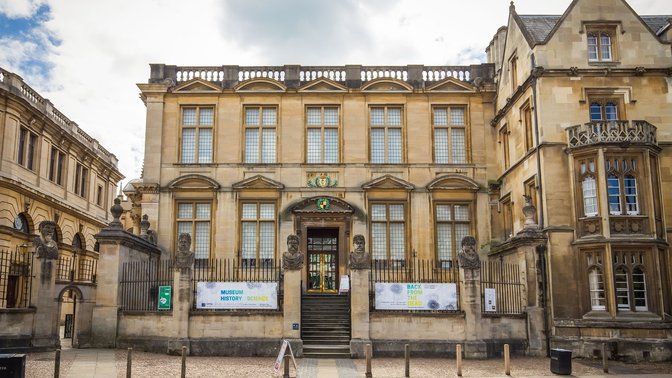
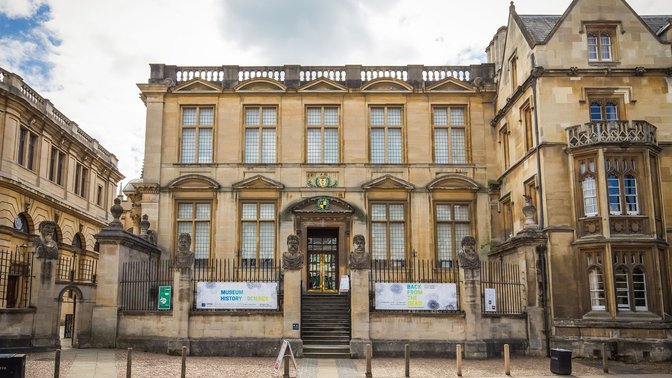
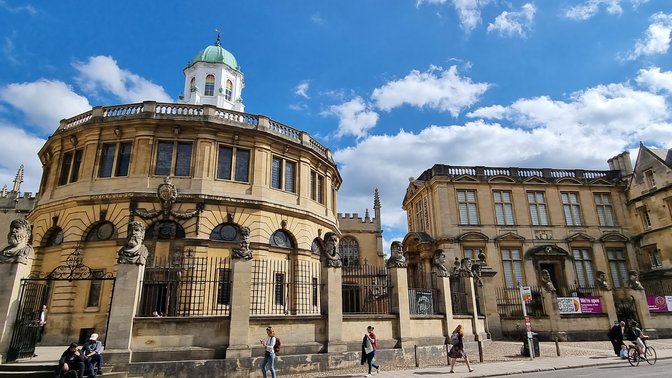
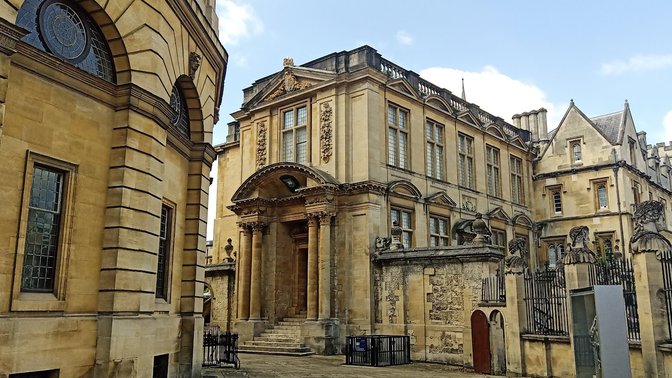
History of Science Museum occupies the historic Old Ashmolean building on Broad Street in Oxford, an esteemed location recognised as the world's oldest surviving purpose-built museum building, dating back to 1683. This remarkable setting imbues the museum with a distinctive atmosphere, offering visitors a captivating journey through centuries of scientific exploration within its hallowed walls. It stands out for housing an unrivalled collection of early scientific instruments, embodying a deep sense of intellectual heritage and discovery.
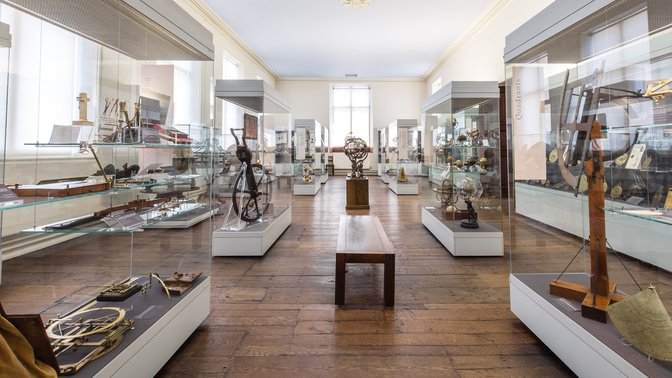
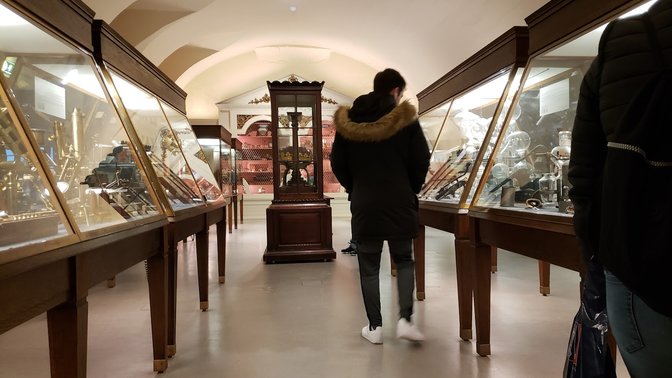
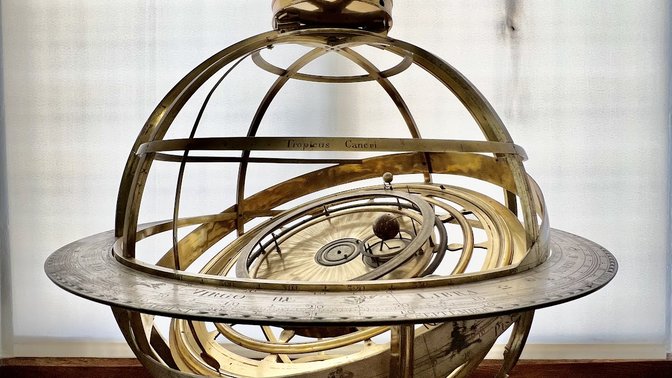
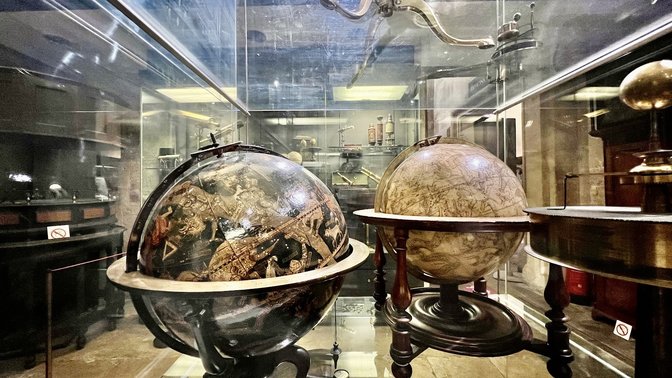
Within its galleries, the museum presents a wealth of highlights, including iconic artefacts such as Albert Einstein's blackboard, preserved from a 1931 lecture in Oxford, still bearing his chalk equations. Another significant exhibit features the original penicillin culture and specimen, marking a pivotal moment in medical history. The museum boasts one of the world's most comprehensive collections of astrolabes, alongside an extensive array of sundials, early microscopes, telescopes, and mathematical instruments, spanning from the Middle Ages to the early 20th century.
This museum is particularly well-suited for individuals with a keen interest in the history of scientific thought, innovation, and discovery. It offers a profound exploration for both academic study and general public enjoyment, inviting visitors to delve into the evolution of scientific knowledge. The engaging displays and the sheer breadth of the collection make it an excellent destination for older children with an enthusiasm for science or mathematics, making for an enriching and stimulating visit for all ages.
Location
Opening Hours
Monday: Closed; Tuesday: 12:00 – 5:00 PM; Wednesday: 12:00 – 5:00 PM; Thursday: 12:00 – 5:00 PM; Friday: 12:00 – 5:00 PM; Saturday: 12:00 – 5:00 PM; Sunday: 12:00 – 5:00 PM
Contact
+44 1865 277293
Comments
If you love the cience this place will blow your mind.
Is amazing everything that you can learn, and see, and is absolutely beautiful the change that has been with the instruments, and some elements actually necessary.
Go with kids, is something that you have to do, they will learn and everyone know that the knowledge can’t be taken away from you.
One of the most fascinating highlights for me was Albert Einstein’s original blackboard. Seeing the actual equations written by Einstein himself during his 1931 lecture was truly incredible. It felt like standing in front of a piece of scientific history, and it gave me a deep appreciation for his genius and contributions to physics.
The museum also has many other interesting exhibits, including antique telescopes, early scientific instruments, astrolabes, and devices used by famous scientists over the centuries. Each display tells a story about how scientific knowledge developed over time. I especially enjoyed learning about early astronomy and navigation tools.
Overall, the museum is well organized, educational, and suitable for anyone interested in science, history, or innovation. The atmosphere is calm, and you can explore at your own pace. I highly recommend visiting this museum if you are in Oxford,it is both educational and memorable.
The museum showcases a wealth of great achievements in science, brought to life with interactive displays that make learning engaging and fun. It's a treat for curious minds of all ages – particularly excellent for families and school children, who'll find the exhibits very entertaining.
One note from my visit: the second floor was closed, so I'd definitely suggest checking ahead of your visit for any area closures to make the most of your time there.
Kudos to the staff, who were very helpful and friendly – adding to the welcoming atmosphere of the museum. All in all, a must-visit in Oxford for anyone intrigued by science, innovation, and interactive exploration.
The collection is well presented, the staff were friendly, and there was plenty to see without feeling overwhelming. A great place to visit in Oxford, especially for anyone interested in science, history, or learning something new.