Attractions
Visiting Oxford University Parks: Opening Times, Rules, and Visitor Guide
Updated 14 November 2026
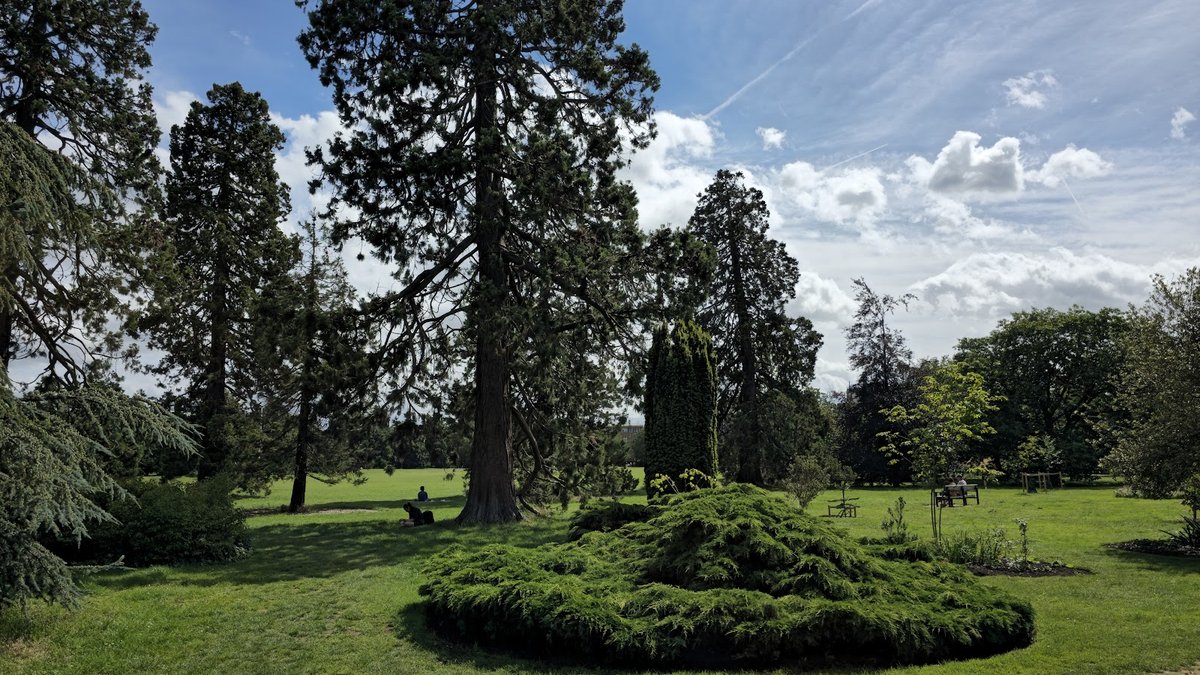
Tucked quietly on the northern edge of central Oxford, the grounds known collectively as Oxford University Parks and Mesopotamia offer one of the city's most expansive, tranquil green retreats. Covering seventy acres of historic riverside parkland bordered by the gentle bends of the River Cherwell, this space provides open breathing room away from busy collegiate streets. Whether you are seeking a quiet morning walk beneath century-old specimen trees, heading across town on foot, or simply looking for an open lawn to pause and watch a game of cricket, understanding the practicalities of visiting makes a noticeable difference to your day.
Because the park is actively maintained and enclosed every evening, knowing how the access system works is essential. The opening hours shift throughout the year according to available daylight, gate security follows precise lock-up routines, and specific park rules are actively enforced to protect pedestrians and preserve the peaceful nature of the grounds. In this comprehensive guide, I will walk you through the seasonal opening patterns, strict cycling regulations, step-free access routes, facility provisions, and advice on reaching the park smoothly by bus, train, or foot.
Opening Hours and Seasonal Closing Schedule
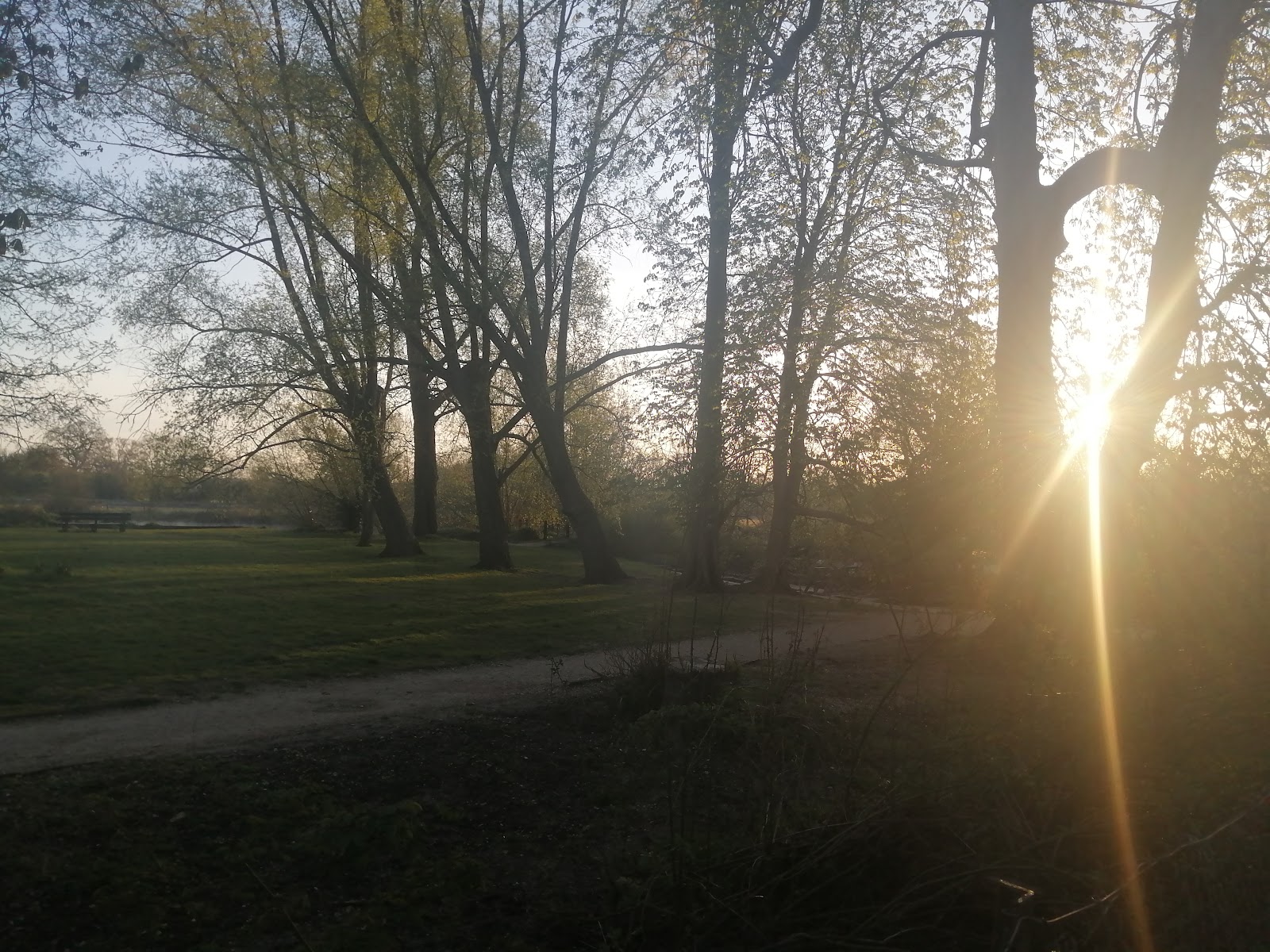
Oxford University Parks and the adjoining Mesopotamia area open at 7:45 am every day throughout the year. Park closing times adjust seasonally throughout the year according to daylight, closing as early as 15:30 in late December and as late as 21:30 from late May through July. Gates close progressively earlier as daylight fades through autumn and winter, and stay open later as spring progresses into summer, so always check the seasonal daylight window before setting off.
Holiday Closures and Severe Weather Protocols
Although the Parks are accessible nearly every single day of the year, there are a handful of specific holiday exceptions that all visitors should note when planning winter outings. The Parks and Mesopotamia are completely closed on Christmas Eve (24 December). On Christmas Day (25 December) and New Year's Day (1 January), the South Lodge to Marston End cycle track is closed, ensuring scheduled maintenance and operational breaks can take place.
Weather can also alter access along the water corridors. The River Cherwell runs directly past the parkland, feeding into lower meadows and split channels. Because of this proximity to active waterways, Mesopotamia Walk and the iconic arched Rainbow Bridge may be shut at short notice during heavy rainfall or rising river levels. When ground saturated by seasonal deluges leads to elevated river heights, pathways can become hazardous quickly, making closure necessary for public safety. Because physical warning notices and digital alerts cannot always appear instantaneously as river conditions shift, taking an alternative inland route on particularly wet days is strongly advised to prevent having to backtrack across soggy terrain.
What to Do If Locked In: Emergency Procedures
Because the park covers extensive ground with multiple distinct perimeter walls, tree canopies, and scattered meadows, it is occasionally possible for visitors who lose track of time to find themselves locked inside after closing bells have sounded and the gates have been secured. If you ever find yourself on the wrong side of locked gates, stay calm and follow the university's clear lock-up emergency protocol.
Visitors locked inside the grounds after closing can call University Security Services directly on 01865 272944 from a mobile phone to request assistance. If you do not have a working mobile phone or lack battery life, head straight to South Lodge, situated at the southern entrance near St Cross Road and South Parks Road. There, you can use the emergency telephone mounted inside a designated grey box by the front door of South Lodge. Picking up the receiver and pressing 4 connects you immediately with the security dispatch team, who will send an officer to let you out through the perimeter gates safely.
Park Regulations: Cycling Rules and Bicycle Parking
The rules governing internal park movement are strict and consistently maintained to keep the space peaceful, accessible, and safe for pedestrians of all ages and mobility levels. The primary rule that surprises many first-time visitors in a bike-friendly town like Oxford is that cycling is strictly prohibited inside Oxford University Parks. The only exception to this prohibition is for authorised parks and security personnel conducting necessary operational duties.
If you arrive on two wheels, you must dismount before passing through any perimeter gateway. To facilitate smooth trips for cyclists arriving from town, designated external bicycle parking racks are situated at Keble Road, near the Genetic Garden entrance, and inside the Gene Function Building covered walkway leading into the Parks. Securing your bicycle with a sturdy D-lock at one of these external rack clusters allows you to transition comfortably to exploring the grounds on foot.
While cycling is not permitted along the inner pedestrian trails, the cycle track extending from South Lodge towards Marston provides a vital commuter artery linking East Oxford to the University Science Area, remaining available throughout the year except on Christmas Day and New Year's Day.
Entrances and Step-Free Accessibility
Oxford University Parks prides itself on welcoming visitors of diverse physical capabilities, offering level approaches across a variety of scenic entry gates. For visitors using wheelchairs, pushchairs, or mobility scooters, step-free, level access is available through the main western gates on Parks Road, including Keble Gate, Ginkgo Gate, and North Gate. Level access is likewise maintained at the South Parks Road entrance and the dedicated Science Area entrance, where gates remain held open during normal operating hours to ensure smooth, unhindered entry.
However, visitors should be aware of restricted-access entry points around the park's historic perimeter:
- Lady Margaret Hall Gate: This historic northern gate features a small manual compartment that is narrow and unsuitable for wheelchair users.
- High Bridge (Rainbow Bridge): While visually stunning, crossing the Cherwell via High Bridge involves a very steep slope featuring a 1 in 4 gradient, combined with an uneven ground approach, making it unsuitable for individuals with mobility limitations or wheeled devices.
- Marston Cycle Track Gate: This eastern approach utilizes a narrow kissing gate; opening the adjacent wider gate for wheelchair or pushchair passage requires an official RADAR key.
Choosing your entrance carefully based on these conditions guarantees an enjoyable, barrier-free walk right from the start.
Pathways, Seating, and Ground Conditions
Once you step inside the gates, navigating the interior is comfortable and pleasant. The grounds are mostly flat with wide paths (typically between 2 and 4 metres across) made primarily of firm hoggin, with select sections constructed from smooth tarmac or concrete. These solid ground surfaces accommodate powerchairs, manual wheelchairs, strollers, and casual footwear with ease during dry weather.
While paths feature minor drainage contours, visitors should keep an eye out for natural outdoor variations. Tree roots from mature specimen trees can occasionally protrude near path edges, small stones may shift underfoot, and prolonged rainfall can lead to localized puddles along hoggin stretches. To support visitors who need occasional rests or wish to take in the views, plentiful wooden benches fitted with backrests and supportive armrests are placed at regular, frequent intervals along the primary walking loops.
On-Site Amenities: Toilets and Refreshments
Despite feeling like an expansive countryside meadow, the park provides convenient public conveniences near the centre of the grounds. Standard public toilets, along with a dedicated Radar Key-operated accessible toilet, are located next to the Cricket Pavilion in the centre of the Parks. The accessible toilet includes useful design elements such as an outward-opening door with an 86 cm clear passage width, interior grab rails, and an emergency pull-cord alarm, ensuring dignity and safety for disabled visitors.
For refreshments, an outdoor café operates near Keble Gate, offering a scenic spot to enjoy a hot drink or light snack while looking across the sweeping lawns. The café features a spacious outdoor seating area, though guests should note that fixed picnic table legs can slightly restrict close positioning for certain wheelchair designs, and the service counter stands at a height of 1.3 metres.
Getting to the Parks: Public Transport and Travel Connections
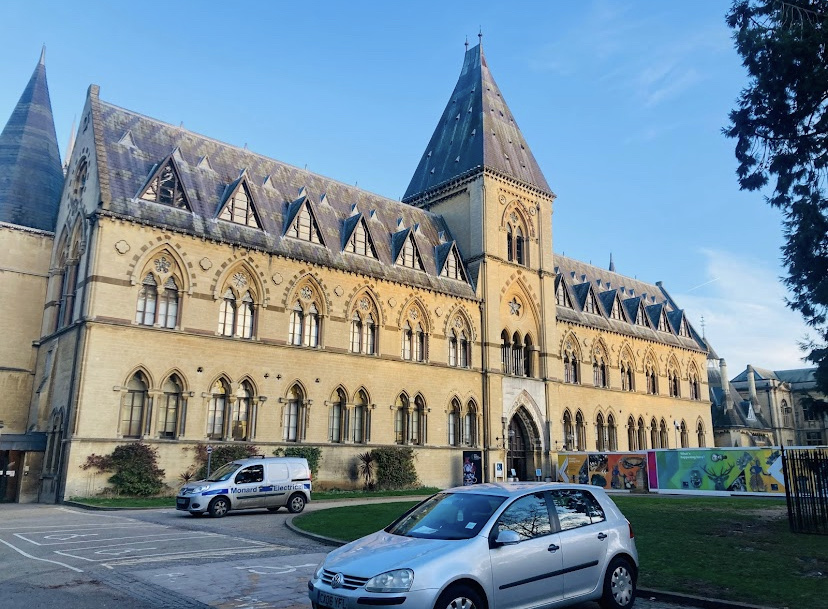
Oxford Railway Station is roughly a 20-minute walk away, with taxis also available directly from the station forecourt. Nearby bus stops along Banbury Road, Parks Road, and Bevington Road offer easy access to the western and northern gates, while walking from High Street via St Cross Road leads to South Lodge. Visitors can also combine a stroll with a visit to the adjacent Oxford University Museum of Natural History on Parks Road.
Parking Advice and Vehicle Restrictions

Visitors planning to drive should recognize that central Oxford operates under strict traffic management designed to prioritise pedestrian and cycling movement. Crucially, there is no on-site visitor car parking at Oxford University Parks. Drivers should not attempt to drive through perimeter gates or into university private driveways.
If you hold a Blue Badge, designated public Blue Badge bays are located nearby on Keble Road, approximately 200 metres from the level entrance at Keble Gate on Parks Road. For general motorists, there are limited two-hour on-street pay spaces situated on neighbouring residential side streets such as Keble Road, Norham Gardens, and Fyfield Road, though these spaces are limited and subject to high turnover. To avoid traffic congestion and parking shortages, using the city's perimeter Park and Ride facilities and connecting into central Oxford by bus remains the most stress-free and recommended method for visiting the park.
Connecting Green Spaces Across Oxford
Oxford University Parks forms part of a rich tapestry of open green spaces spanning the university and city bounds. If you enjoy the manicured, collegiate atmosphere of the Parks, you may also appreciate exploring the tranquil, historic lawns of Trinity College Gardens (University of Oxford) located slightly further south towards Broad Street. Alternatively, for those who prefer wider, untamed expanses of pastoral flood meadow, taking a longer trek west leads to Port Meadow along the Thames, where cattle graze freely under open skies.
For families and recreation seekers wanting dedicated play parks, sports grounds, and community amenities, the northern district of Oxford is anchored by Cutteslowe and Sunnymead Park, the city's largest municipal park. Heading east up into Headington reveals Bury Knowle Park with its literary-themed sculptures, or the ancient wooded hillsides of Shotover Country Park. Nature lovers can also discover wilder, biodiverse floodplain habitats further along the water at Aston's Eyot or the wildflower pastures of Iffley Meadows. Yet for a harmonious blend of university sporting tradition, rare specimen arboriculture, and riverside tranquility right in the heart of town, University Parks remains uniquely captivating.
Final Practical Tips for an Enjoyable Visit
A memorable outing to Oxford University Parks simply comes down to keeping daily timings and ground etiquette in mind. Make note of the scheduled lock-up time posted at the gate as you enter, especially during the darker winter months when gates close as early as 15:30. Lock your bicycle safely at external racks before passing the threshold, and select your entry gate thoughtfully if anyone in your group requires level, step-free access.
By respecting the cycling ban, giving way to fellow walkers on shared paths, and double-checking river warnings during heavy rains, you can make the most of this exceptional seventy-acre Oxford sanctuary across any season of the year.
Cover photo: Oxford University Parks
By Alyssa.
Sources and further information
Sources checked: 2026-11-14.