Exhibitions, Arts & Culture
The Shape of What Remains (Platform Graduate Award 2026)

|
By Alyssa | WhatsOn local events writer Alyssa picks out timely events, local favourites and useful places to eat, stay and explore. |
Quick details
| What | The Shape of What Remains (Platform Graduate Award 2026) |
|---|---|
| Date | 26 September - 22 November 2026 |
| Time | 11:00 |
| Where | Modern Art Oxford |
| Tickets | Official information |
| Contact | 01865 722733 |
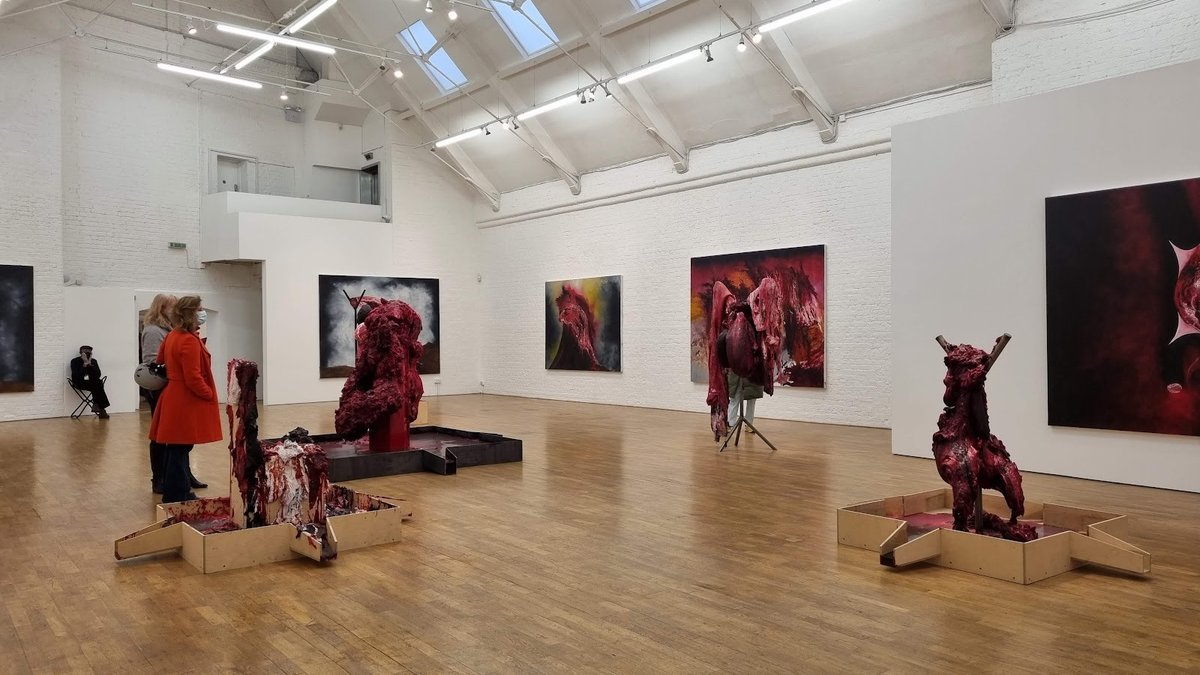
Step into the stark, white-walled gallery spaces of Pembroke Street this autumn, and you will immediately sense the shifting of perspectives. There is a palpable energy in the room—the distinct, crackling electricity that only comes from witnessing artists on the very cusp of their careers presenting something entirely new. Leaving the ancient, cobbled streets of Oxford behind and crossing the threshold into this boldly modern environment, you are met with a physical manifestation of memory, where forgotten narratives and overlooked voices are suddenly, strikingly brought into the light. It is an invitation to look closer, to question what we remember, and to see the world through a fiercely contemporary lens.
This is the essence of The Shape of What Remains, the highly anticipated 2026 edition of the Platform Graduate Award exhibition taking over Modern Art Oxford. Featuring the ambitious, newly commissioned works of Leah Olaleye, Naiya Ellis-Woodward, and Thomas Sebastino, this carefully curated showcase zeroes in on overlooked histories and the fragile, fragmented nature of human memory. As an essential stepping stone for recent fine art graduates drawn from across the South of England, the Platform Award isn't just another seasonal gallery show; it is a vital barometer for the future of British contemporary art. This exhibition is where you find tomorrow's defining voices, right here in the heart of the city centre, long before they headline major retrospectives in London or New York.
Unearthing Forgotten Narratives
Wander through the spacious rooms and you are met with a deeply immersive, sensory landscape rather than a traditional, static exhibition. While venues like the Oxford Playhouse continue their stellar work producing classic theatre elsewhere in the city, this gallery show provides a bold, contemporary contrast. The curation encourages you to move slowly, letting the distinct visual language of each artist unfold. You might find yourself leaning in to inspect the delicate, intricate textures of mixed-media installations that challenge standard historical records, sensing the faint trace of raw materials and fresh construction that often accompanies cutting-edge graduate work. In the next room, you might stand back to let large-scale, thought-provoking visual statements wash over you, with the quiet acoustics of the gallery amplifying the hushed conversations of fellow onlookers.
The true beauty of this exhibition lies in its accessibility; it demands no prior art history degree to appreciate. Instead, it invites deep, personal reflection on how we all process our pasts. The space feels both intimate and expansive, filled with the quiet murmurs of visitors decoding the layered meanings behind Olaleye’s, Ellis-Woodward’s, and Sebastino’s works. Because admission is entirely free, there is a refreshing lack of urgency to your visit. You can pop in for a concentrated half-hour of inspiration on your lunch break, or spend an entire grey autumn afternoon losing yourself in the intricate interpretations of what the past leaves behind, returning to your favourite pieces again and again to see what new details emerge.
The Next Generation of British Art
There is a distinct communal pride that permeates the gallery during the Platform Graduate Award season. The crowd here is always a fascinating cross-section of Oxford itself: sharply dressed art collectors and critics travelling up from London mingling seamlessly with local university students, curious tourists sheltering from the autumn chill, and fellow creatives passionately debating the techniques on display.
You will often spot the artists’ own peers, tutors, and mentors walking the floor, pointing out subtle details in the brushwork or the complex construction of a sculpture, celebrating the culmination of years of intense studio practice. This shared sense of discovery turns what could be a solitary gallery visit into a vibrant, collective experience. People do not just look at the art here; they talk about it. They linger in the transitional spaces, exchanging thoughts with strangers about how a particular piece resonated with their own family history or cultural background. It is a space where the dialogue between the artwork and the audience feels genuinely alive, beautifully bridging the gap between the academic art world and the everyday observer.
Know Before You Go
- Pace yourself: The gallery spans multiple levels. Allow at least an hour to properly engage with the nuanced themes of memory and history across all three artists' works.
- Light packing: Large bags and backpacks aren't ideal in the exhibition spaces. Travel light, or be prepared to use the gallery's cloakroom facilities upon arrival to keep the artwork safe.
- Accessibility: Modern Art Oxford is fully wheelchair accessible, with a lift servicing all gallery floors and accessible facilities on the ground floor.
- Photography: While casual, non-flash photography for personal use is usually welcomed to capture your favourite angles, always check the wall signage for any specific artist restrictions.
- Quiet times: For the most contemplative experience, aim for a mid-morning visit during the week. Weekends naturally draw a much larger, more bustling crowd.
- Official details: For the most up-to-date gallery opening hours and specific artist biographies, check the official Modern Art Oxford website.
Make a Weekend of It
Since you are already at Modern Art Oxford, the easiest way to start your day is right downstairs in the gallery's own inviting café. It is a brilliantly relaxed spot, perfect for a slice of cake and a flat white while you flip through the exhibition guide and discuss the themes you are about to see. If you are looking for something much more substantial to kick off a slow weekend morning before you hit the gallery, take a short stroll through the city's historic thoroughfares to the Oxford Brunch Bar on George Street. Their warm, folksy charm and legendary Cackleberry Farm eggs poured over toasted sourdough offer the ideal, hearty fuel for a long day of gallery hopping and cultural exploration.
After immersing yourself in contemporary art and untangling the heavy themes of history and memory, you will likely want to debrief over an exceptional dinner. A brisk, picturesque walk towards the station brings you to The Porterhouse Grill & Rooms on Mill Street. Housed in a charming 117-year-old Edwardian building, their dry-aged British grass-fed beef is a local open secret, offering a deeply comforting and sophisticated end to a cultured day. Alternatively, tuck yourself away at The Red Lion on Gloucester Street. Masterfully hidden just behind the main busy streets, it blends traditional British pub comfort with elevated, vibrant Mediterranean-inspired dishes in a beautifully contemporary setting—the perfect match for a day spent looking at modern art.
If you are travelling into the city specifically to catch the next wave of British artistic talent, make a proper, unhurried autumn break of it. easyHotel Oxford up in the leafy, peaceful Summertown area provides a brilliantly clean, hassle-free base. Just a quick, direct bus ride from the city centre, it leaves you with plenty of time, energy, and budget to explore Oxford's wider creative scene to its absolute fullest.
I can't wait to hear which of these incredible emerging artists catches your eye first—enjoy the exhibition, Alyssa.