Travel Guides
Visiting Oxford University Museum of Natural History: Opening Hours, Admission, and Practical Guide
Updated 11 November 2026
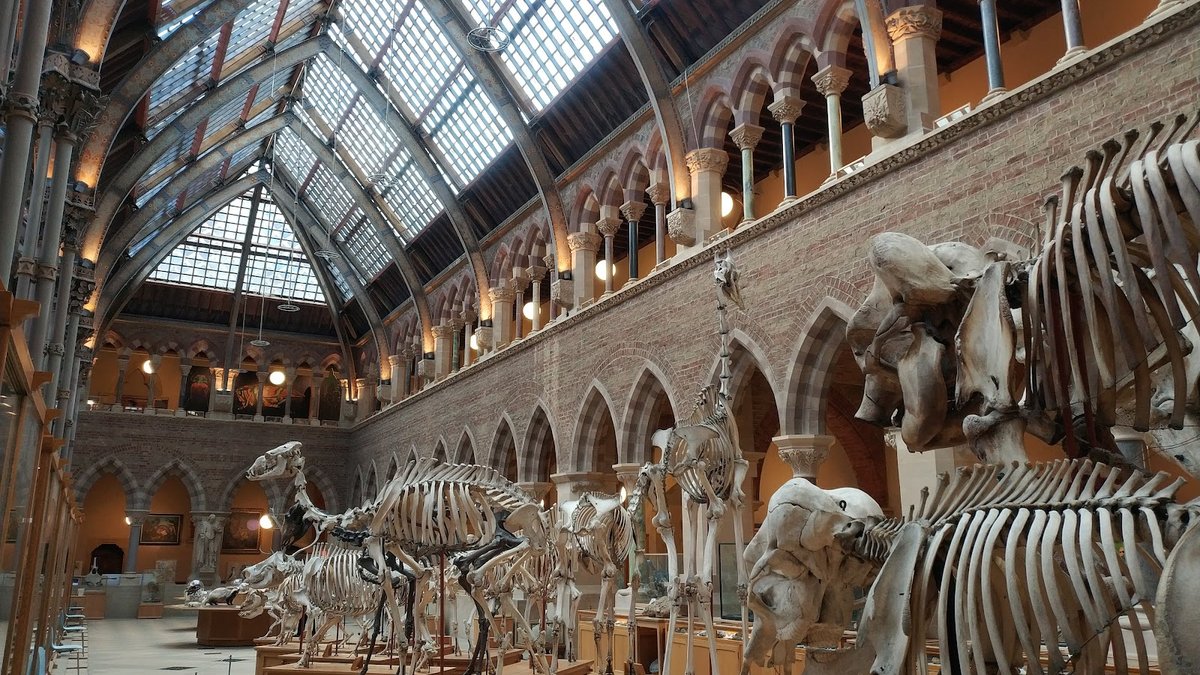
Few public buildings anywhere in Britain balance scientific inquiry with architectural drama quite like the Oxford University Museum of Natural History. Standing prominently on Parks Road just north of Oxford's historic city core, this magnificent 19th-century institution welcomes curious minds from across the globe. Whether you are stepping through its grand doorways to inspect fossilized remains or simply pausing to appreciate the cathedral-like iron arches overhead, it provides an unforgettable cultural stop. Planning an outing here is remarkably easy when you understand the essential operational patterns, arrival strategies, and gallery customs. In this practical visitor guide, I will walk you through everything you need to know ahead of your excursion, from admission rules and transit connections to major treasures like the famed Oxford dodo and the seamless entry path into the adjoining Pitt Rivers Museum.
Opening Hours and Admission Details
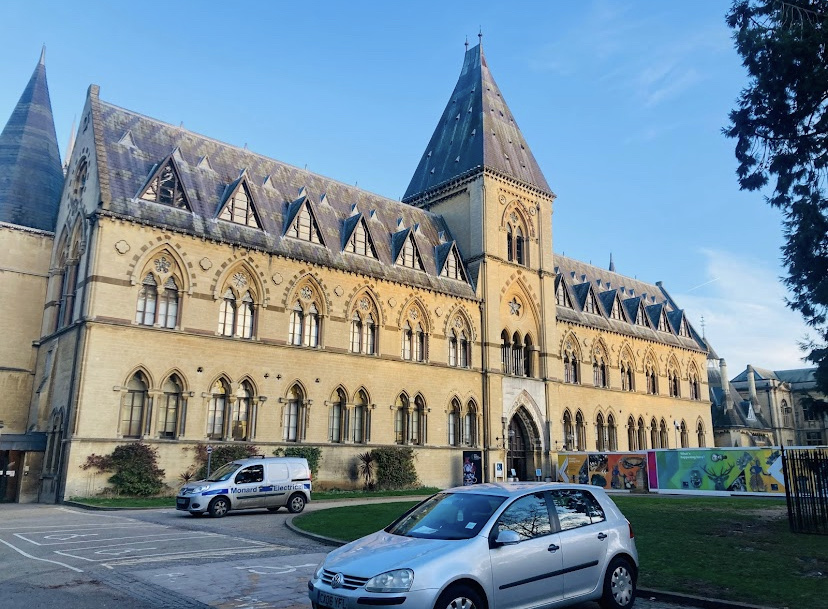
One of the most appealing and welcoming aspects of visiting the Oxford University Museum of Natural History is that general admission is completely free of charge. Visitors of all ages can step directly through the historic entrance to explore the natural sciences, admire prehistoric specimens, study exquisite fossil arrays, and appreciate the building's dramatic Victorian craftsmanship without purchasing an entry ticket.
The daily operating hours are consistent and reliable throughout the entire week, making it straightforward to schedule your trip alongside other historic landmarks across Oxford:
- Standard Daily Hours: The Oxford University Museum of Natural History is open daily from 10:00 am to 5:00 pm, operating seven days a week.
- Admission Policy: General entry is free for all members of the public, welcoming local residents, university members, independent travelers, and touring families alike.
- Core Visitor Facilities: The museum provides accessible Wi-Fi throughout the venue, an on-site gift shop offering natural history publications and keepsakes, and convenient café amenities for refreshments during your visit.
Because the museum maintains regular 10:00 am to 5:00 pm opening times Monday through Sunday, you have total flexibility when planning your day. Whether you arrive right at 10:00 am to wander through the quiet morning light beneath the central roof or stop by during the afternoon to study specific gallery cases, the site accommodates both quick exploratory visits and comprehensive day-long itineraries.
The presence of on-site amenities such as public Wi-Fi makes navigating the gallery displays straightforward, while the gift shop and café ensure visitors can browse souvenirs and take comfortable breaks without needing to leave the immediate complex during a busy sightseeing schedule.
Getting to Parks Road and Navigating Oxford Transit
The Oxford University Museum of Natural History is located on Parks Road, Oxford, with the postcode OX1 3PW. This setting places the institution right on the edge of the university's vibrant science area and within easy strolling distance of the verdant grounds at Oxford University Parks. While the museum's address is central and convenient for pedestrians and bus riders, approaching by private motor vehicle requires careful forethought.
Driving into the historic centre of Oxford can be challenging due to strict city traffic management policies, bus gate restrictions, pedestrianized corridors, and extremely scarce on-street pay-and-display parking. Because there is no dedicated visitor car park directly at the museum on Parks Road, attempting to drive straight to the venue is strongly discouraged for motorists hoping to avoid heavy congestion and navigation delays.
Instead, the most efficient and recommended approach for drivers is to use Oxford's well-established peripheral Park and Ride system. By leaving your car at one of the ample designated facilities located on the ring road, you can bypass urban bottleneck traffic entirely and take a dedicated bus right into central Oxford:
- Pear Tree Park and Ride (North): Situated directly to the north of Oxford, the Pear Tree site is straightforward to access from the A40, A4260, A34, and M40. Once parked, visitors can hop onto the dedicated number 300 bus, which whisks passengers straight into the city centre in approximately 12 minutes.
- Redbridge Park and Ride (South): Positioned south of the city along Abingdon Road near the A34, the Park and Ride facility at Redbridge serves as the ideal hub for motorists approaching Oxford from Abingdon, Didcot, or Newbury. The 300 bus connects Redbridge directly to the city centre in roughly 10 minutes.
Upon arriving in central Oxford via the 300 bus from either Pear Tree or Redbridge, getting to Parks Road is an enjoyable walk through Oxford's architectural core. The route carries you past renowned university colleges, ancient stone library walls, and traditional quads, turning your transit into an scenic introduction to the city before you arrive at the museum entrance.
The Spectacular Victorian Neo-Gothic Architecture
Long before you reach the display cases, the physical fabric of the museum commands attention. Officially opened in 1860, the building represents an extraordinary milestone in Victorian neo-Gothic architecture. It was conceived during a pivotal era when the University of Oxford sought to centralize its varied scientific departments under a single roof, bringing together disciplines ranging from anatomy and geology to astronomy and chemistry.
The museum was designed by the esteemed architectural firm Deane & Woodward, with architect Benjamin Woodward playing a principal role in giving the building its distinctive personality. The conceptual design was deeply influenced by the philosophical and artistic ideas of John Ruskin. Ruskin passionately advocated that architecture and decorative arts should mirror the organic energy, natural variety, and vitality found throughout the living world. This ethos was expressed throughout the building's stonework and iron detailing, ensuring that the structure served as a visual textbook of natural science.
The Groundbreaking Glass and Iron Roof
Step inside the central court, and your eyes will immediately be drawn upward toward the soaring glass and structural iron roof. This breathtaking canopy is widely considered the central architectural highlight of the entire institution. While glass and cast iron had already achieved fame through structures like greenhouses and London's 1851 Crystal Palace, applying structural iron in an institutional university context was a daring engineering experiment for the late 1850s.
The roof's history includes fascinating technical challenges. An initial design relying primarily on wrought iron proved unable to support its own structural weight and had to be dismantled before it was ever finished. To resolve the structural crisis, the architects collaborated with experienced ironmaster E. A. Skidmore. Skidmore redesigned the framework, successfully creating the majestic, light-filled structure seen today. The cast-iron columns supporting the central court are embellished with intricate wrought-iron spandrels modeled after foliage from tree species including sycamore, walnut, and palm, merging industrial craftsmanship with botanical observation.
The Oxford Dodo and Historic Scientific Treasures
Among the millions of specimens preserved within the museum's walls, none captures the public imagination quite like the remains of the extinct dodo. Once endemic to the Indian Ocean island of Mauritius, the flightless bird vanished by around 1680 following the rapid introduction of invasive predators that devastated its ground-nesting habitat and eggs. Today, Oxford holds what is globally recognized as the single most important physical record of the species: the mummified head and foot of the Oxford dodo.
These precious organic remains represent the most complete surviving tissue of an individual dodo anywhere in existence, rendering them invaluable to modern scientific research and evolutionary geneticists. While the fragile original specimens are curated with exceptional care, visitors in the main court can study accurate casts, composite skeletal mounts, and a slimline structural model. Furthermore, mounted upon the western wall of the upper gallery hangs Jan Savery's renowned 1651 oil painting of the dodo, an iconic piece of art that helped shape popular worldwide perceptions of the bird for centuries.
Planning a Dual Visit: The Adjacent Pitt Rivers Museum
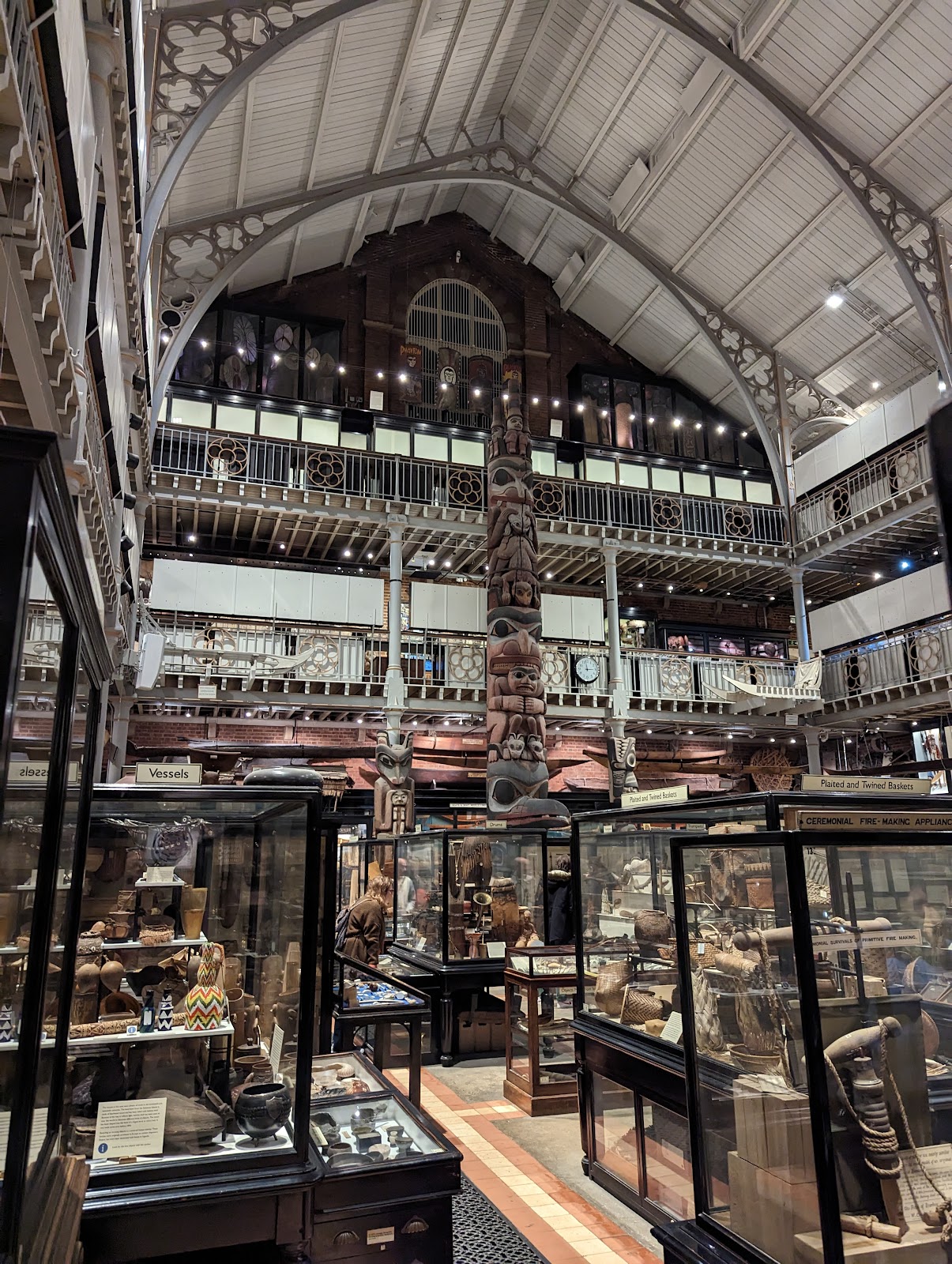
A major highlight of visiting the Oxford University Museum of Natural History is the opportunity to seamlessly combine your excursion with an exploration of the neighbouring Pitt Rivers Museum. In 1885, an adjoining building was constructed immediately to the east of the primary museum structure specifically to house the vast ethnological and archaeological collection donated by General Augustus Pitt Rivers. Today, the two spaces remain physically connected, allowing visitors to walk directly from the soaring, naturally illuminated central court of natural sciences into the deeply atmospheric galleries of world archaeology and anthropology.
Although the two museums share a single contiguous footprint, prospective visitors must note that their operating hours differ slightly on the first day of the week. Being aware of this scheduling variation will help you structure your itinerary efficiently:
| Museum | Monday Hours | Tuesday to Sunday Hours | Admission |
|---|---|---|---|
| Oxford University Museum of Natural History | 10:00 am – 5:00 pm | 10:00 am – 5:00 pm | Free |
| Pitt Rivers Museum | 12:00 pm – 5:00 pm | 10:00 am – 5:00 pm | Free |
Like the Museum of Natural History, the Pitt Rivers Museum provides free admission to all general visitors, along with facilities including a dedicated shop and Wi-Fi access. While it welcomes guests starting at 10:00 am from Tuesday through Sunday, its later opening time of 12:00 pm on Mondays means that travelers visiting at the start of the week should plan accordingly.
If you arrive on a Monday morning, you can spend the first two hours between 10:00 am and 12:00 pm exploring the rich natural history displays—inspecting the famed Oxford dodo relics, viewing prehistoric fossils, and examining the ornate cast-iron foliage carvings in the main court. Then, as midday arrives, you can simply stroll through the connecting archway to experience the Pitt Rivers Museum's captivating anthropological collections without having to step outside or interrupt your day.
Food, Drink, and Gallery Etiquette
To ensure that delicate biological specimens, ancient fossils, and historic display cases remain preserved for future generations, strict gallery rules are enforced regarding refreshments. Food and drink are strictly prohibited inside the exhibition galleries of the museum. Visitors are requested to consume any snacks, water bottles, or beverages prior to crossing the gallery thresholds.
For those looking for a relaxing refreshment break before or after browsing the exhibits, outdoor catering is conveniently situated right outside the entrance. The Horsebox Coffee Company operates directly on the museum front lawn, welcoming patrons daily between 8:30 am and 5:00 pm. Serving locally roasted coffees, hot and cold drinks, and a selection of baked treats such as flapjacks, brownies, and cookies, the lawn horsebox makes a delightful open-air rest spot on pleasant days.
Practical Tips for a Smooth Day Out
To extract the most value from your time along Parks Road, keep a few sensible preparation habits in mind. Arriving close to the 10:00 am opening allows you to enjoy the serenity of the soaring neo-Gothic court before mid-day crowds gather beneath the glass arches. Remember that both the Museum of Natural History and the Pitt Rivers Museum provide complimentary entry, making this one of the most enriching low-cost educational excursions in southern England.
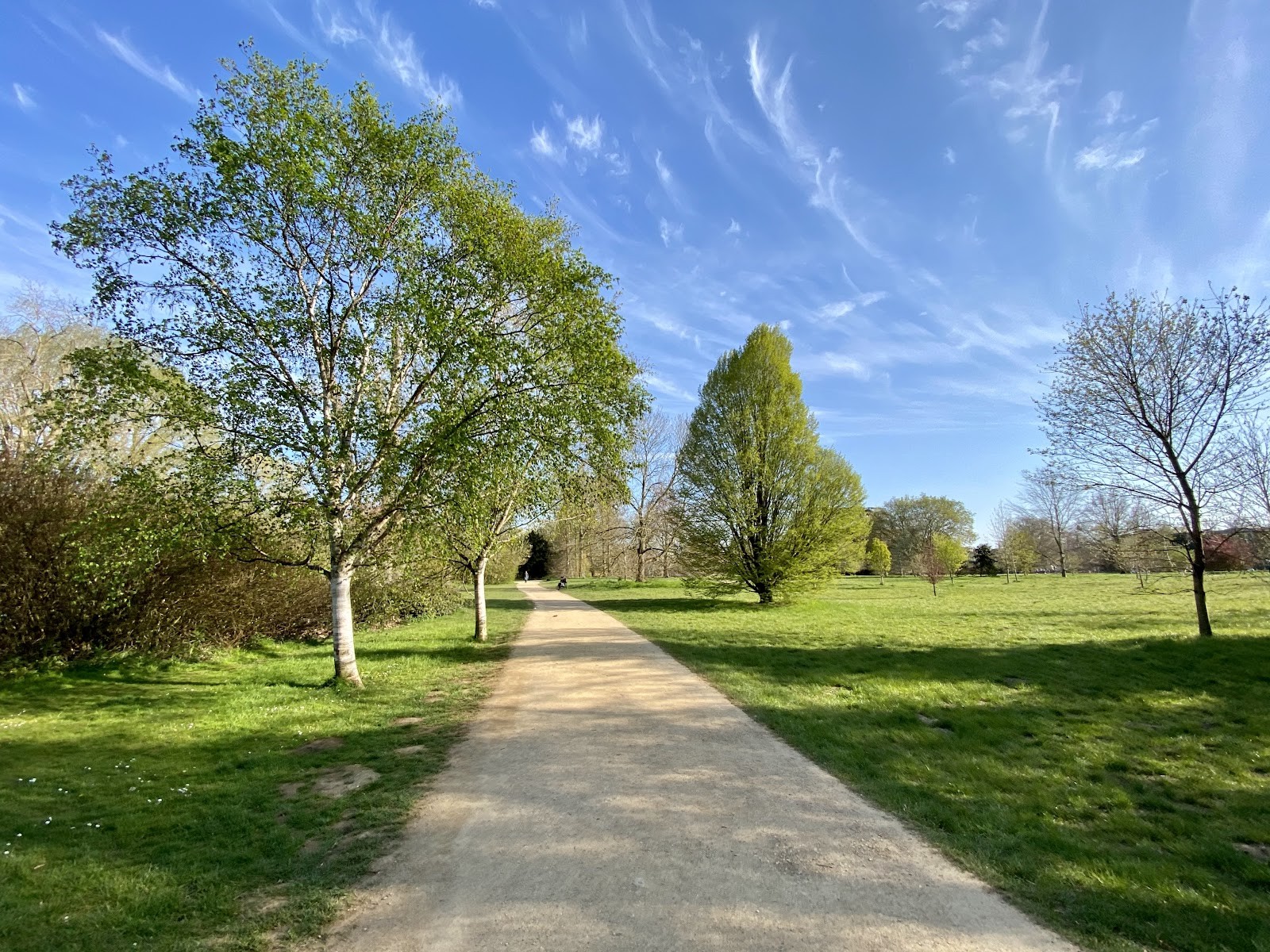
Combine your gallery wander with a quiet stroll through the neighbouring college grounds or take a refreshing turn through the shaded paths of the university parks bordering the science quarter. By leaving your car at peripheral facilities like Pear Tree or Redbridge, timing your route to fit daily opening schedules, and adhering to simple gallery preservation rules, you will enjoy a seamless encounter with Oxford's finest scientific and architectural legacy.
Cover photo: Oxford University Museum of Natural History
By Alyssa.
Sources and further information
- Visit us | Pitt Rivers Museum
- Park and ride | Oxfordshire County Council
- O.U.M.N.H. Learning more
- Opening Times | Gardens, Libraries & Museums
- O.U.M.N.H. Learning more
Sources checked: 2026-11-11.