Travel Guide
Visiting Port Meadow, Oxford: Walks, Parking, and Riverside Pubs
Updated 10 November 2026
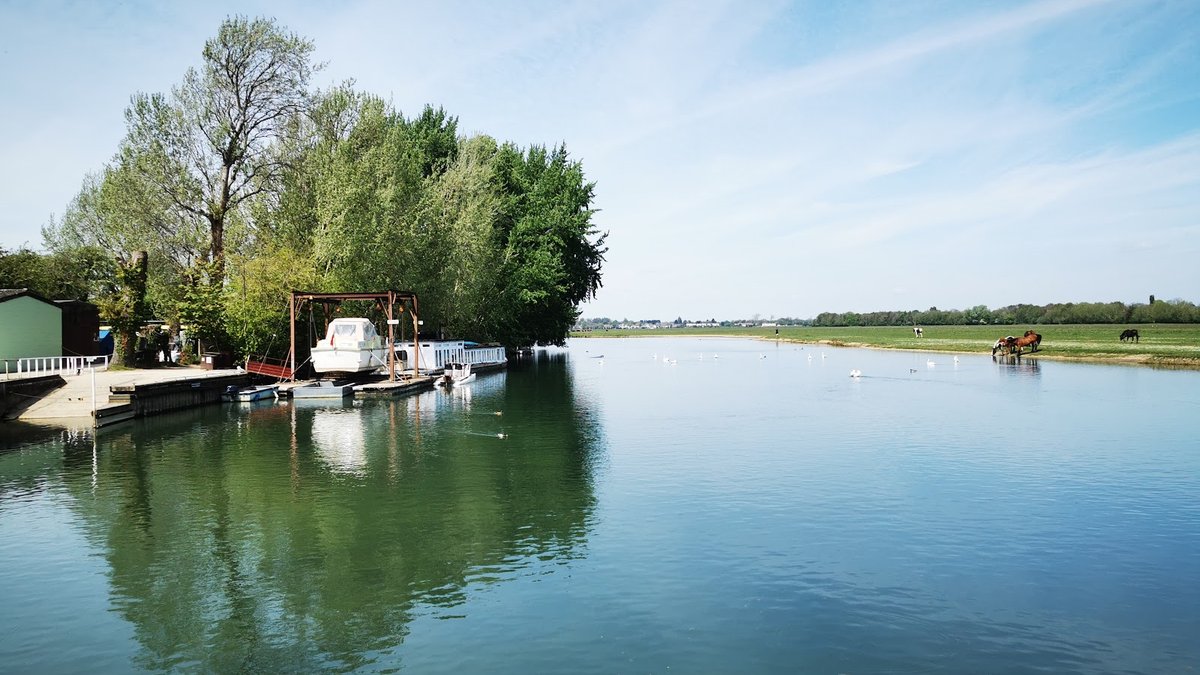
When planning a trip out into Oxfordshire’s open spaces, visiting Port Meadow provides one of the most rewarding rural escapes found anywhere near a major university city. Stretching all the way from Jericho out to Wolvercote along the calm waters of the River Thames—locally referred to as the Isis—this sprawling expanse of ancient common land spans roughly 440 acres. Reputedly never ploughed, the terrain retains a distinct, unmanicured character where cattle and horses graze freely under an unbroken tradition documented since the Domesday Book. Walking here immerses you in a living piece of landscape history, where broad horizons, riverbanks, and historic pub hearths meet.
Whether you are setting out for an afternoon ramble, looking for tranquil birdwatching spots, or planning a gentle stroll between historic drinking establishments, navigating this ancient common is simple once you understand its layout. In this guide, I will explore everything you need to know to make the most of your excursion, including key entry points, practical parking approaches, walking trails across the grass, and celebrated waterside stops like The Perch and The Trout Inn.
The Landscape and Heritage of Port Meadow
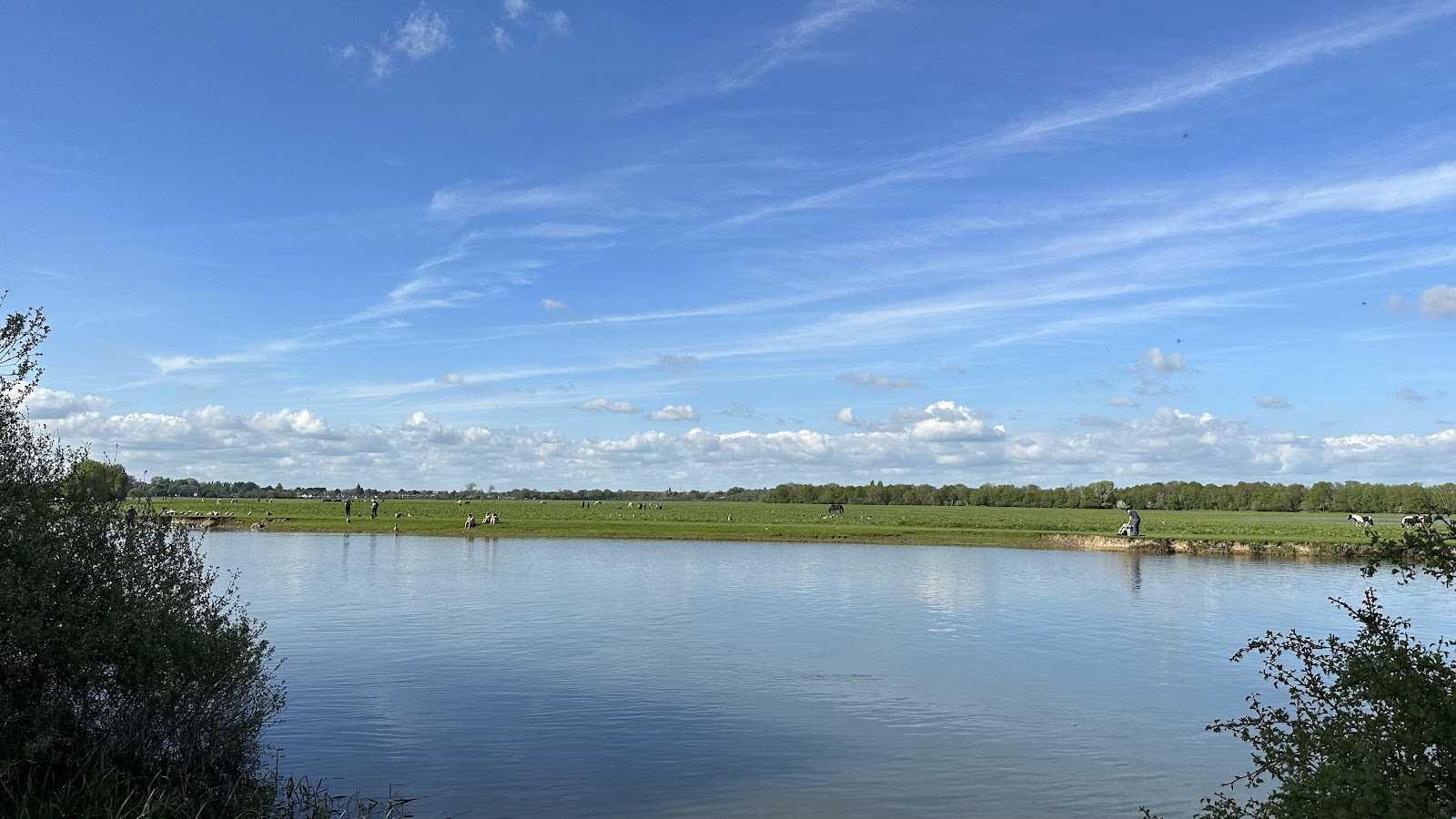
Stepping out onto Port Meadow immediately reveals why it holds such an enduring place in Oxford’s civic identity. Unlike manicured municipal parks or landscaped collegiate grounds, this is an authentic, rugged common. Because the soil has remained unploughed through centuries of agricultural change, the ground has preserved significant archaeological traces beneath its turf. Keen-eyed walkers crossing the expanse can discern subtle earthworks, including traces of Bronze Age burial mounds and ancient fortifications that hint at prehistoric communities utilizing the fertile Thames floodplains.
The common’s cultural connections run equally deep. The open, atmospheric waterside of Port Meadow famously served as the evocative setting that inspired Lewis Carroll during his initial telling of Alice's Adventures in Wonderland. As you wander along the riverbank observing the steady flow of water and grazing herds, it is easy to picture the Victorian boating excursions that sparked those imaginative tales. Today, the open water continues to attract visitors for recreation, serving as a popular location for wild swimming and fishing during the warmer months of the year.
Wildlife and the Site of Special Scientific Interest (SSSI)
Beyond its human heritage, Port Meadow is formally recognized and protected as a Site of Special Scientific Interest (SSSI). The combination of ancient grassland, uncultivated turf, and immediate adjacency to the River Thames provides a crucial sanctuary for varied wildlife right at the threshold of Oxford’s urban boundaries.
The ecology of the meadow is closely tied to the natural water cycle. Port Meadow sits naturally within the Thames floodplain, and during winter, significant seasonal flooding often transforms vast sections of the 440-acre common into expansive, shimmering sheets of standing water. While these floods temporarily submerge parts of the lower walking routes, they create exceptional seasonal wetland habitats. The flooded landscape acts as a haven for diverse birdlife, drawing notable populations of waders and wildfowl that arrive to feed and roost in the shallow waters. For naturalists, birdwatchers, and quiet observers carrying binoculars, winter visits offer the chance to witness an ever-shifting seasonal spectacle of migratory birds set against dramatic winter skies.
Entry Points and Access Across the Common
Because Port Meadow spans an extensive tract between the city fringe and outlying northern villages, choosing your entry point will dictate the overall tone and distance of your walk. The common operates with multiple access gates, but most visitors approach from either the southern threshold near Jericho or the northern gateway at Wolvercote.
- Walton Well Road (Jericho): Positioned at the southern boundary, Walton Well Road provides the primary southern entrance into Port Meadow. Situated on the edge of the vibrant Jericho neighbourhood, this access point is ideal if you are walking out from central Oxford or wish to combine your riverside walk with exploring Jericho’s cafes and eateries.
- Wolvercote and Godstow (North): At the northern edge of the meadow lies Lower Wolvercote and the historic crossing at Godstow. Entering from this side places you immediately beside the upper reaches of the common and within easy reach of the village settlements that flank the river.
- Binsey (Western Flank): Located west across the Isis, the quiet hamlet of Binsey connects to the meadow trail networks via river crossings, offering a tranquil approach away from major traffic corridors.
Parking Considerations and Travel Advice
For visitors traveling by car, parking requires some advance consideration, as residential roads bordering the meadow often feature localized restrictions. There are dedicated public car parks situated near both the primary southern and northern access points, but policies and tariffs can vary.
| Location | Primary Access Area | Practical Notes for Drivers |
|---|---|---|
| Walton Well Road Car Park | Southern entrance (Jericho edge) | Positioned directly at the southern gateway; spaces can fill quickly on peak weekends. |
| Godstow Road / Wolvercote | Northern entrance (Lower Wolvercote) | Serves the northern meadow and approaches toward Godstow and local riverside walks. |
| The Perch Inn Customer Parking | Binsey (West bank) | Dedicated customer parking located outside the pub for patrons visiting the venue. |
When planning your trip, keep in mind that specific council parking tariffs, payment apps, and hourly schedules are subject to change by municipal authorities, so it is sensible to check posted signage upon arrival rather than relying on historical rates. If car parks are congested during peak sunny afternoons or bank holidays, using public transport connections or walking from central Oxford into Jericho offers a stress-free alternative.
Popular Walking Trails Across Port Meadow
Covering 440 acres of open ground, Port Meadow allows visitors to construct a variety of walking routes, ranging from short riverside strolls to substantial circular hikes. The turf underfoot is expansive, with well-trodden paths tracing the water's edge as well as trails cutting through the open interior.
The Jericho to Wolvercote Linear Walk
One of the classic Oxford walking routes is the linear traverse from south to north. Starting at Walton Well Road on the edge of Jericho, this route heads north across the open grassland following the general line of the River Thames. Walking the full length gives you an appreciation of the sheer scale of the common, passing freely grazing cattle and ponies along the way. The trail continues straight up toward Lower Wolvercote, finishing near the northern bridges. From there, you can either retrace your steps across the open meadow or catch local transit connections back toward central Oxford.
The Thames Path and Isis Riverside Stroll
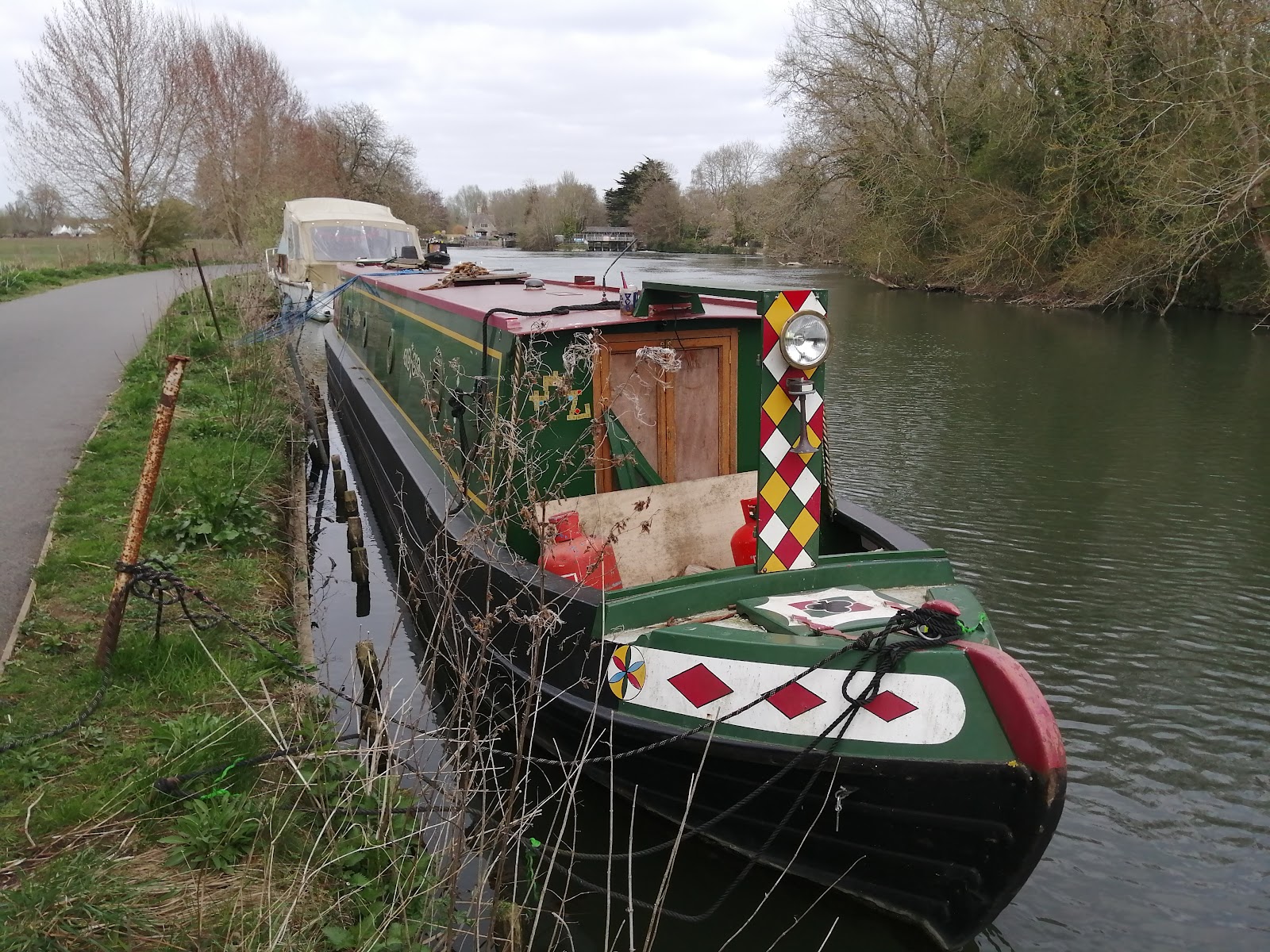
For those drawn to moving water, keeping closely to the banks of the Isis offers continuous views of river life. Walkers, runners, and cyclists frequently make use of the riverside corridors, which provide level footing and sweeping perspectives across the water. On sunny days, you will often spot wild swimmers along quieter river bends, as well as anglers fishing along the banks. This path also connects naturally with walking routes crossing into the western village of Binsey.
Riverside Pubs Along the Meadow: The Perch Inn
No exploration of Port Meadow is quite complete without visiting one of the historic waterside hostelries situated along its fringes. Heading toward the western bank brings you into the peaceful hamlet of Binsey, home to The Perch Inn.
The Perch is an exceptional Oxford institution, with a pub having stood on the site for at least 800 years. The building itself is a picturesque 17th-century plaster-rubble structure crowned by a traditional thatched roof, exuding an authentic country character just moments outside the city. Throughout its lengthy history, it has served as a favourite retreat for celebrated British authors and poets, and famously appeared as a frequent haunt in episodes of Inspector Morse.
The pub is exceptionally well-suited for walkers crossing Port Meadow. Located just a short walk across the Isis, it connects seamlessly with footpaths leading over the common. The venue is dog-friendly, welcoming muddy boots and four-legged companions who have spent the afternoon roaming the grasslands. Outside, customer parking is provided for those arriving directly by vehicle. If you plan to stop in for refreshment, please take note of practical house policies: The Perch operates on card-only payments and does not accept cash, so be sure to carry an electronic payment method when heading inside.
Historic Dining in Lower Wolvercote: The Trout Inn
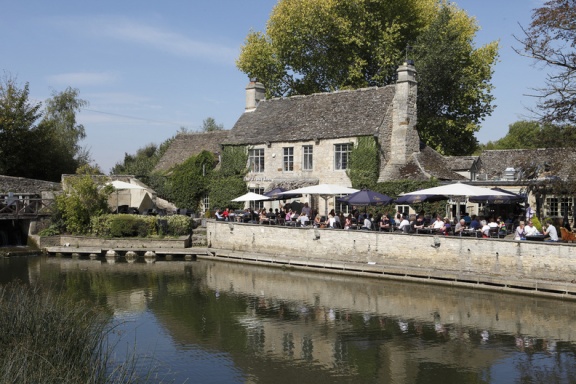
At the northern terminus of the meadow in Lower Wolvercote sits another remarkable waterside destination: The Trout Inn. Positioned right on the idyllic banks of the River Thames, this 17th-century pub provides an atmospheric resting point for ramblers completing the trek across the common from Jericho.
The Trout Inn is particularly celebrated for its riverside setting, featuring a side terrace and garden that overlook an active weir. The dramatic sound and sight of water tumbling over the weir make the outdoor seating area a memorable location for a post-walk drink. Like its counterpart in Binsey, The Trout Inn boasts strong literary and television heritage, having famously appeared in several episodes of Inspector Morse, and the grounds are known to be frequented by resident peacocks.
The establishment is both family-friendly and dog-friendly, serving as a regular stopping point where walkers can rest during sunny summer days or seek out a warm retreat by the fireside in the colder months. Its location directly adjacent to the northern meadow gate makes it a natural focal point for circular itineraries that loop between the two banks of the river.
Neighbourhood Stops and Southern Gateways
While The Perch and The Trout Inn sit directly along the northern and western rural margins, visitors exploring the southern approach have inviting neighbourhood choices nearby. Upon exiting or entering through Walton Well Road into Jericho, the transition from wild common to historic urban streets happens almost instantly.
Just a short distance from the meadow gates, located on Hayfield Road in Jericho, sits The Anchor. Functioning as a neighbourhood bar and dining room, it provides a warm, welcoming base close to the southern edge of the common. For walkers who prefer to end their ramble with a meal or fine wine in an urban village setting, pausing here before heading back toward the central university precincts offers a comfortable alternative to the waterside gardens.
Practical Visitor Tips: Livestock, Seasons, and Footwear
Because Port Meadow is an unmanicured, actively grazed common land rather than an enclosed urban park, visiting requires some practical awareness of rural outdoor conditions:
- Grazing Livestock and Horses: Cattle and horses have grazed the pasture freely since before the Domesday Book. While accustomed to people, they are free-roaming animals. Visitors, especially those accompanied by dogs, should always give livestock plenty of space, avoid cornering animals with young calves or foals, and keep pets under close control to ensure safety for all.
- Footwear Choices: Due to the meadow's low-lying position along the Thames and lack of artificial drainage, paths can quickly turn muddy after rain. Sturdy walking boots or waterproof wellingtons are strongly advised from autumn through early spring, or whenever seasonal river levels are elevated.
- Seasonal Flooding: During peak winter floods, large swathes of the 440 acres can become submerged. Always observe water levels along paths, and stick to higher ground or elevated banks if the floodplains are full.
- Dog Walking Etiquette: The wide-open trails make Port Meadow a beloved haven for dog walkers. Given that both The Perch and The Trout Inn are dog-friendly, it is a fantastic destination for a day out with pets, provided you carry leads for sections near livestock and clean up thoroughly after your animals.
Summary Walk: A Classic Meadow Loop
For visitors wanting to experience the best of the landscape, its wildlife, and its historic pubs in a single outing, combining these highlights into a circular route is hard to beat:
- Start at Walton Well Road: Enter the common through the southern gate on the Jericho border, taking in the wide views stretching north.
- Traverse the Common: Walk north across the open 440 acres, watching for grazing cattle and keeping an eye out for birdlife along the riverbanks.
- Cross to Lower Wolvercote: Arrive at the northern end to visit The Trout Inn, pausing by the terrace overlooking the weir.
- Cross the River Toward Binsey: Trace the western paths across the Isis down to The Perch Inn in Binsey to relax beneath its traditional thatched roof (remembering to pay by card).
- Return to Jericho: Complete the loop by following the western riverside trails back across the river toward Walton Well Road.
Whether you visit in the golden glow of high summer to enjoy wild swimming and waterside terraces, or wrap up in winter woollens to watch migratory wildfowl on the flooded floodplains, Port Meadow offers an authentic, timeless glimpse into Oxfordshire's living pastoral heritage.
Cover photo: Port Meadow
By Alyssa.
Sources and further information
- The Perch Oxford - Pub, Restaurant and Wedding Venue on Oxford's Port Meadow
- Port Meadow
- The Trout Inn
- The Anchor Oxford | Bar & Restaurant
Sources checked: 2026-11-10.