Music & Nightlife
Richard Goode Tackles Beethoven at Holywell Music Room

|
By Alyssa | WhatsOn music and nightlife writer Alyssa tracks the gigs, festivals, club nights and late-late plans worth leaving the house for. |
Quick details
| What | Richard Goode Beethoven Recital |
|---|---|
| Date | 24 April 2027 |
| Time | 19:30 |
| Where | Holywell Music Room |
| Website | Organiser website |
| Contact | 01865 277900 |
Eminent American pianist Richard Goode is descending on Oxford for a rare, fiercely concentrated masterclass in keyboard interpretation, performing Beethoven's monumentally profound final three piano sonatas—Opus 109, 110, and 111—alongside a selection of Bagatelles. Goode is widely regarded as one of the definitive Beethoven interpreters of our era, and witnessing him tackle the composer's philosophical, transcendent late period inside the acoustic pressure-cooker of Europe's oldest custom-built concert hall makes this Richard Goode Beethoven Recital Oxford fixture an unmissable benchmark in the city's live performance calendar.
Late Sonatas in Europe's Oldest Chamber Hall
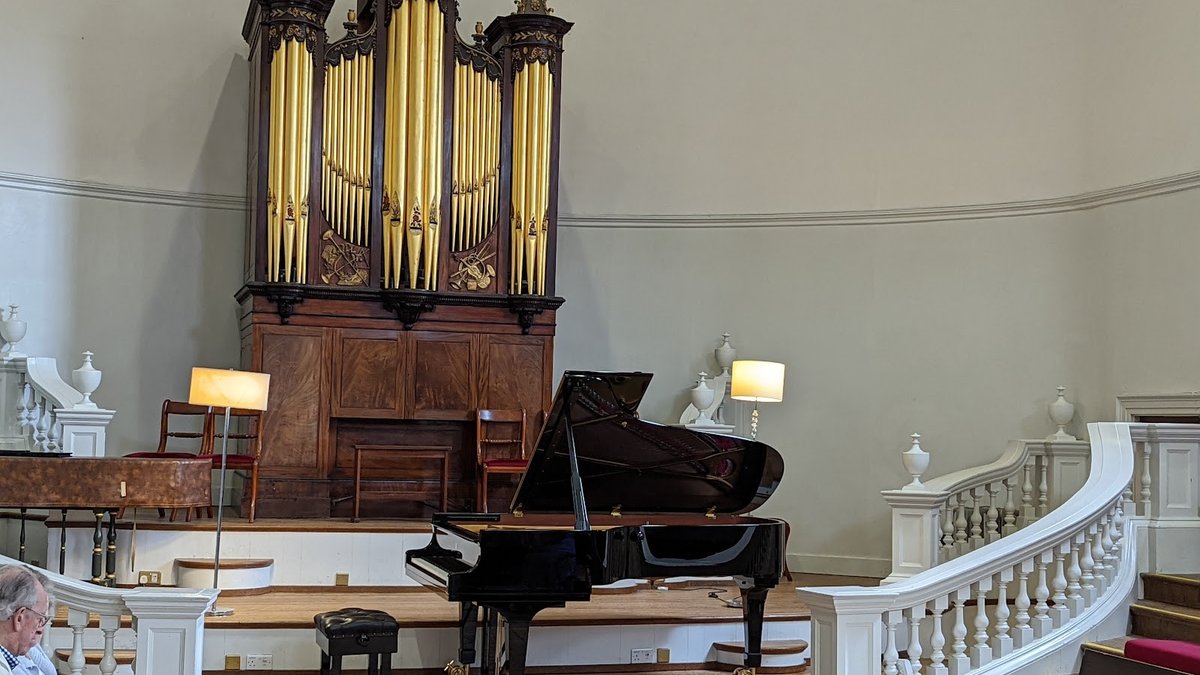
Stepping off the cobblestones into Holywell Music Room strips away all modern stadium slickness in favour of raw, unamplified acoustic purity. Built in 1748, the hall functions essentially like the resonating interior of a wooden cello. Every pedal lift, crisp articulation, and resonant bass rumble from the concert grand snaps instantly against the timber-panelled walls, bouncing unvarnished into the raked bench seating. It is the kind of acoustics that offer nowhere for a performer to hide, which is precisely why hearing Goode in this space is so compelling.
The programme itself is a pilgrimage rather than a casual stroll through classical hits. Beethoven's final three sonatas form a distinct, spiritual trilogy, abandoning traditional classical conventions for exploratory counterpoint, celestial trills, and proto-jazz syncopations. Hearing Op. 111's Arietta movement up close—where Beethoven dissolves earthly tension into floating, starry variations that hover inches above the keys—feels less like sitting at a formal recital and more like sharing the breathing room of a master craftsman in full flight. The inclusion of the Bagatelles provides punchy, idiosyncratic counterweights, showcasing Beethoven at his most eccentric and Goode at his most rhythmically razor-sharp.
The Reverent Hush of the Oxford Connoisseurs
Do not expect the detached formality of a massive orchestral gala here. Holywell shows draw an intensely engaged crowd: sharp-eared music students clutching beat-up Henle urtext scores, visiting international keyboard obsessives, seasoned local dons, and discerning gig-goers who simply appreciate extraordinary musicianship at point-blank range. The room holds fewer than two hundred people, creating a collective, hair-trigger intimacy where nobody dare unwrap a lozenge during the quietest pianissimo passages.
Between movements, the energy shifts from taut, pin-drop concentration to warm, shared adulation. When Goode settles his fingers over the keyboard, the physical closeness collapses the distance between audience and instrument entirely. You see the tension in his forearms and the subtle glance across the keys before the explosive fugue of Op. 110 detonates. It is this shared communal reverence—everyone locked into the exact same acoustic wavelength—that makes Holywell concerts feel closer to a secret basement session than a sterile heritage museum piece.
Know Before You Go
- Snag tickets early: Capacity at Holywell Music Room is tiny, and seats for international names selling under the Oxford Philharmonic banner disappear fast. Book ahead via the official Oxford Philharmonic Orchestra box office as walk-up doors are virtually non-existent.
- Arrive ahead of the pack: Seating inside the hall is traditionally general admission on historic wooden benches; aim to queue outside on Holywell Street at least 25 minutes prior to start time if you want prime sightlines of Goode's hands on the keyboard.
- Travel and parking strategy: Holywell Street is strictly pedestrianised and vehicle-restricted. Do not attempt to drive into the historic core; use the city's Park and Ride services or take a straightforward ten-minute walk east from Oxford rail station.
- Cushion your comfort: The heritage timber bench seating is notoriously firm. Regular chamber-music patrons often bring a discreet folding cushion or lightweight scarf to pad out a two-hour recital.
- Student allocations: Under-26s and students should check the box office allocation early, as deeply discounted five-pound tickets are often reserved for registered students looking to catch world-class recitals on a shoestring.
Make a Weekend of It
An evening centred around Holywell Street demands a pre-gig itinerary that matches the city's architectural heft. For an atmospheric dinner before the recital begins, make your way through the central lanes towards Dishoom Permit Room Oxford on New Inn Hall Street, where you can fuel up on slow-cooked curries, vibrant small plates, and inventive bar pours amidst 1970s Bombay café styling. If your preference leans more towards a crisp pint of local ale and proper historic pub warmth, pull up a stool at St Aldates Tavern near Carfax, or drop by The Oxford Retreat alongside the stream for a relaxed waterside drink.
To turn the concert into a broader cultural jaunt across the city, you could easily pair your chamber evening with afternoon theatre by booking an early matinee down Beaumont Street at the Oxford Playhouse, or take a morning walk across the rolling green slopes of South Park to take in panoramic views of the city's spires before diving into the music.
When it comes to turning in, the most seamless base for the night is the Old Bank Hotel on High Street. It places you within a five-minute stroll of Holywell Music Room, surrounding you with contemporary British art, refined city views, and luxurious beds so you can mull over Beethoven's counterpoint in absolute peace.
See you by the stage door—Alyssa, WhatsOn.