Attractions
Visiting The Kilns: Practical Guide to C.S. Lewis's House in Headington, Oxford
Updated 22 November 2026
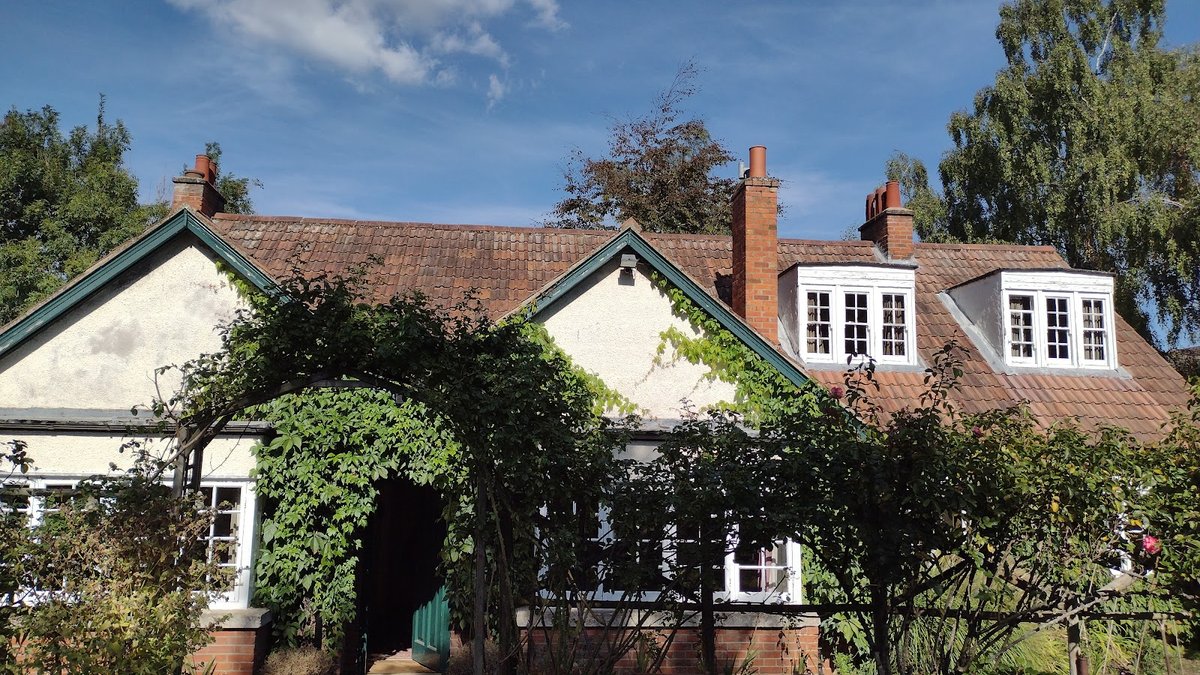
When planning a literary pilgrimage through Oxford, many people picture the medieval quadrangles of the city centre or the famous college dining halls. Yet for more than three decades, the personal world of author and scholar C.S. Lewis was rooted in the leafy suburban parish of Headington Quarry. Tucked away at the end of a residential cul-de-sac sits The Kilns, the modest brick house where Lewis lived from 1930 until his death in 1963. Here, in the quiet company of his brother Warren ("Warnie") and amid domestic routines, he drafted some of the twentieth century's most enduring literature, including the entirety of The Chronicles of Narnia, The Screwtape Letters, and Mere Christianity. If you are hoping to visit this historic landmark, practical planning is vital because it does not function as an open walk-in museum.
Unlike standard public heritage sites across the United Kingdom, The Kilns is a functioning academic residence and study centre. Turning up on a whim expecting a ticket desk or open admission will inevitably lead to disappointment. With thoughtful preparation and advance booking, however, exploring the house, its historic grounds, and the surrounding parish of Headington Quarry offers an exceptionally rich, reflective experience. In this guide, I share the essential practicalities of arranging interior tours, what to expect when you arrive, how to enjoy the outdoor grounds freely, and how to connect your visit with other key Lewis landmarks nearby.
Understanding Access: A Study Centre, Not a Museum
The Kilns is owned and maintained by the C.S. Lewis Foundation as a Christian study centre and residential community for scholars, rather than a museum. The house remains strictly closed to visitors without an appointment, and interior tours must be arranged in advance upon request. However, the exterior can be viewed from the road, and the surrounding lake and grounds can be visited at any time.
Booking Tours of The Kilns Step by Step
Securing a spot on an interior tour requires direct communication with the C.S. Lewis Foundation well ahead of your intended travel date. Prospective guests must submit a booking request through official foundation channels rather than arriving unannounced. Because the property hosts visiting scholars, guided tours are scheduled at specific times when resident schedules permit, keeping group sizes small to protect both the preservation of the home and the peace of the household.
When preparing your visit request, it is wise to contact the organisers several weeks or even months in advance, especially during the peak spring and summer travel seasons. Interior tours are led by knowledgeable guides—often resident scholars or dedicated foundation staff—who offer an intimate, conversational look into the rooms where Lewis and his circle lived and worked. Once a request is accepted, your visiting time will be confirmed, giving you dedicated access to one of the most personal literary sites in Britain.
To ensure a seamless visit, consider these straightforward booking tips:
- Submit requests early: Check your Oxford itinerary and reach out via the C.S. Lewis Foundation website well ahead of time.
- Do not rely on third-party schedules: General local listings and guidebooks often cite suggested tour days or historical hours, but official policy requires a confirmed appointment directly from the foundation.
- Respect the house guidelines: Remember that you are stepping into a residential study home. Keep voices moderate and follow the specific guidance provided by your tour leader throughout your visit.
The Architecture and Origins of The Kilns
Built in 1922 on the site of a former brickworks, The Kilns became home to C.S. Lewis on 10 October 1930. He lived there until his death in 1963, and his brother Warnie resided at the property until dying there in 1973.
What to Expect on an Interior Tour
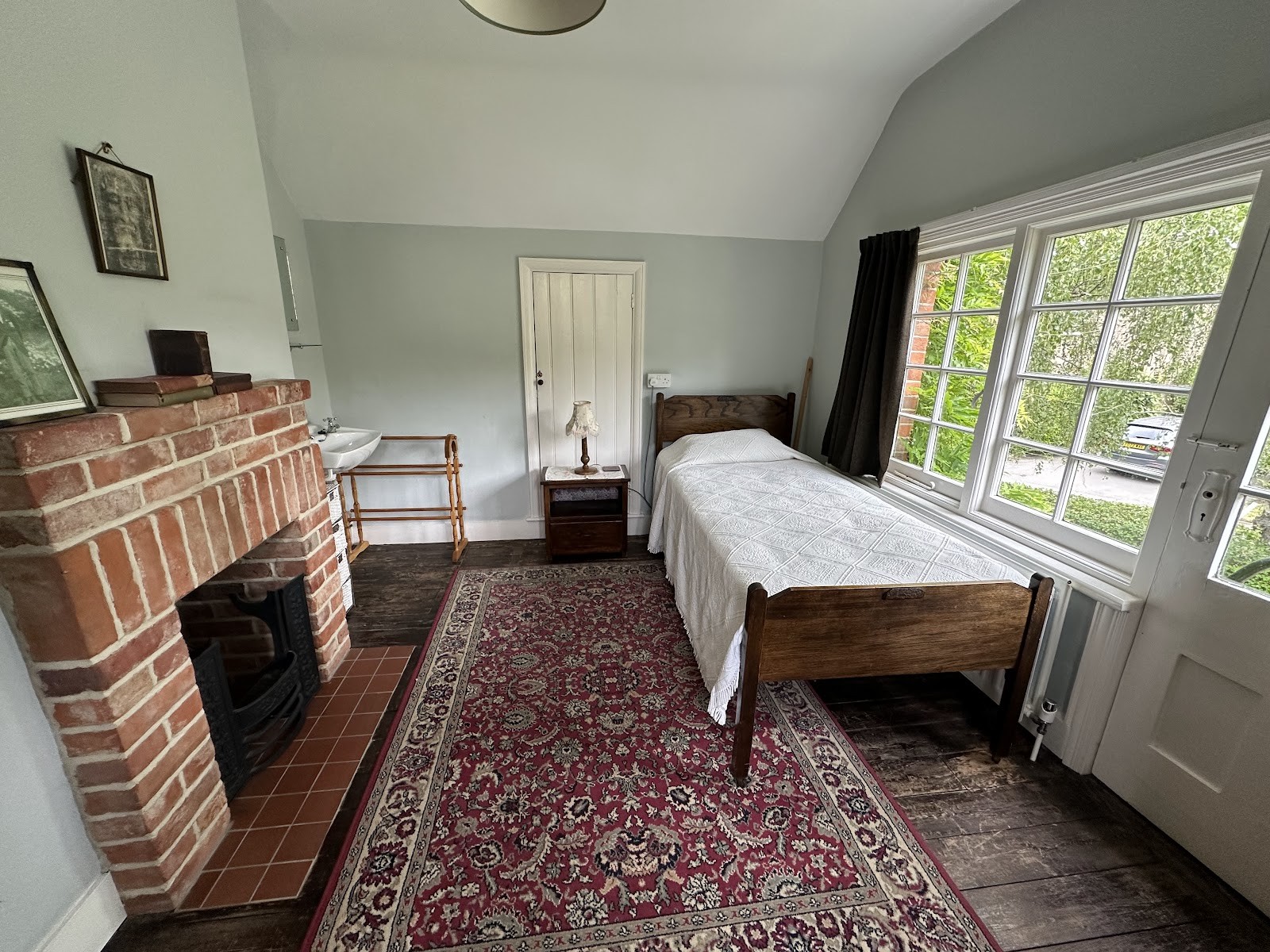
Stepping inside The Kilns on a pre-arranged tour feels distinctly different from visiting a commercial museum. There are no velvet ropes, glass display cases, or gift shops. Instead, the interior has been preserved and furnished to reflect the lived reality of the 1930s and 1940s, evoking the everyday atmosphere of Lewis's household. Visitors are welcomed into a quiet domestic setting that feels as though the residents have simply stepped out for a walk around the pond.
A guided tour typically takes you through key communal and private spaces, including the living areas where Lewis and Warnie spent quiet evenings reading and conversing, as well as the domestic quarters that sustained the busy household. One of the primary highlights of the tour is Lewis's upstairs study. In this simple, functional workspace, Lewis sat at his desk to compose the vast array of correspondence, scholarly essays, theological defences, and imaginative stories that would travel across the globe. Standing in the room where the seven volumes of Narnia took shape offers an intimate connection to the author's creative routine.
Guides share engaging insights into the daily rhythms of life at The Kilns: the arrival of London evacuee children during the Second World War, the constant flow of mail, the discussions shared with literary colleagues from the Inklings, and the domestic responsibilities that Lewis balanced alongside his demanding university tutorials. The experience is personal and atmospheric, focusing on deep biographical insight rather than flashy interactive displays.
The Lake and Nature Reserve
One of the most appealing aspects of visiting this corner of Oxford is that you do not need an interior house appointment to explore the natural environment that nurtured Lewis's imagination. Behind the house lies an enchanting landscape comprising a woodland and a tranquil pond, originally formed from a flooded industrial clay pit associated with the historic brickworks. This green pocket provided an immediate retreat for Lewis and his household, serving as a regular setting for daily strolls, quiet thought, and natural observation.
It was in this immediate landscape that Lewis found outdoor solace and inspiration. The wild grounds directly influenced the natural descriptions found throughout the Narnia chronicles, which originally began as stories told to young evacuees sheltered at the house from London during the war. Walking along the paths between the trees and observing the water allows readers to see the living textures of pond, bank, and copse that shaped the author's descriptive prose.
In 1969, the lake and woodland behind The Kilns were gifted by Dora Stephen, in memory of her husband Henry, to the Berkshire, Buckinghamshire, and Oxfordshire Naturalists' Trust (BBONT, now renamed the Wildlife Trust). Maintained today as a nature reserve, this green space can be visited freely at any time. A wooden gate near Lewis Close leads directly into this landscape, offering a serene woodland walk under the canopy of trees where kingfishers, wildfowl, and woodland plants thrive undisturbed.
Exploring Headington Quarry: Holy Trinity Church
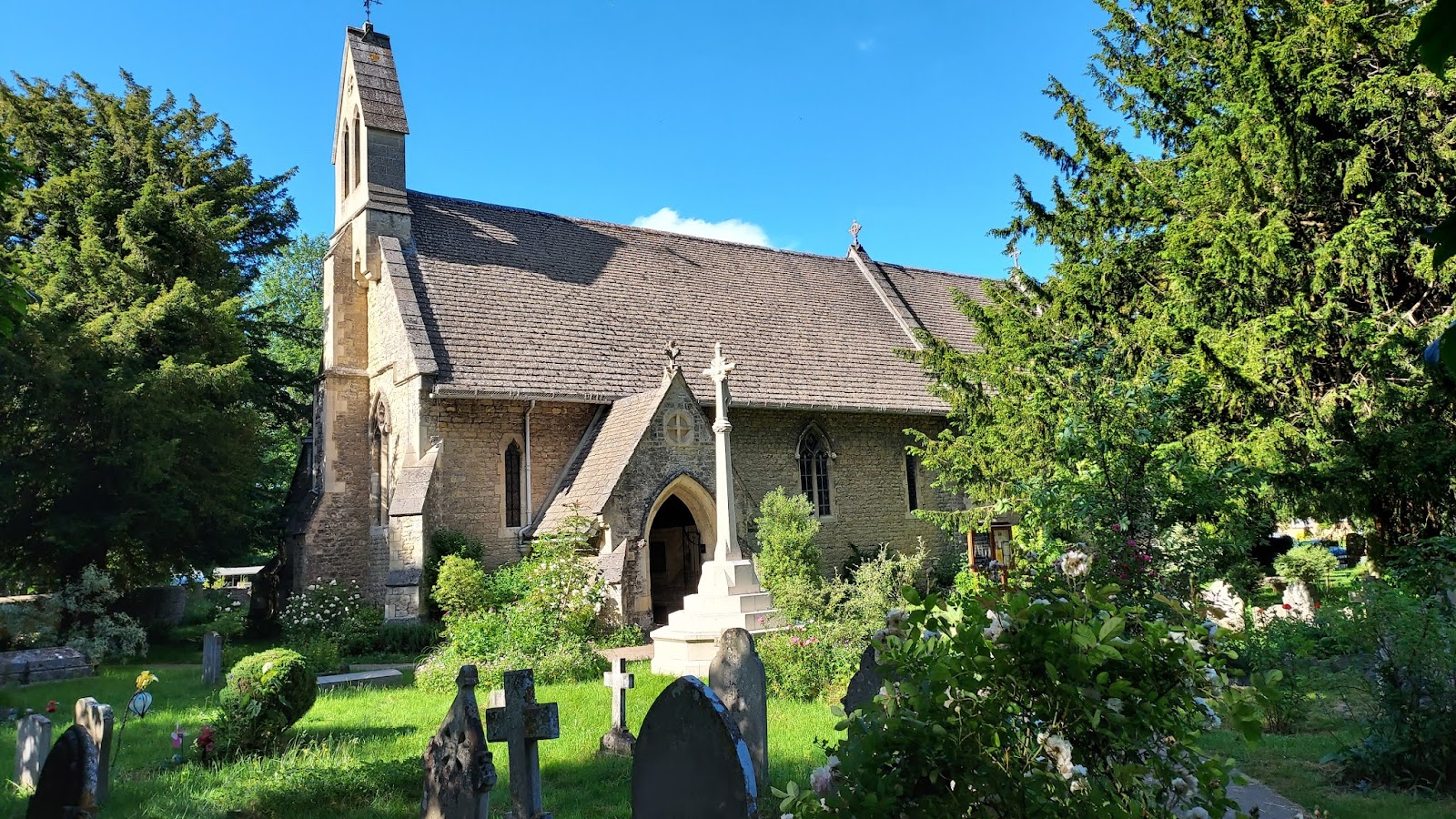
A visit to The Kilns is incomplete without taking time to explore the historic neighbourhood of Headington Quarry. For more than thirty years, Lewis was an active parishioner in this village community, and the short walk between the house and the parish church offers a tangible sense of his weekly routine. Just a short distance from Lewis Close stands Holy Trinity Church Headington Quarry, an Anglican parish church deeply intertwined with Lewis's life and final resting place.
Consecrated in 1849 and designed by architect George Gilbert Scott, the church was built using local quarry stone to serve the spiritual needs of quarry workers and community residents. Lewis worshipped here regularly on Sunday mornings, often occupying the same pew in the north aisle alongside Warnie. The churchyard serves as the final resting place for both brothers. Beneath a simple headstone, Lewis and Warnie lie buried together, their stone inscribed with the Shakespearean quotation chosen by his brother: "Men must endure their going hence."
Inside the church, visitors can view the remarkable Narnia Window. Etched by artist Sally Scott, this beautiful glass installation depicts scenes and beloved characters from The Chronicles of Narnia, providing a vivid artistic tribute to Lewis's storytelling legacy. Exploring the peaceful interior of Holy Trinity Church and spending a moment in the tranquil churchyard provides an essential, moving counterpart to your time at The Kilns.
Other Family and Literary Connections Around Headington
Headington holds numerous other physical markers associated with Lewis and his circle. Prior to purchasing The Kilns, Lewis lived with Mrs Moore at Hillsboro, located at 14 Holyoake Road, providing an interesting glimpse into the author's domestic circumstances before settling permanently on the site of the brickworks. A commemorative blue plaque on The Kilns itself celebrates Lewis's residency, while in central Headington on Old High Street, another plaque notes the home of poet and writer Joy Davidman, whom Lewis later married.
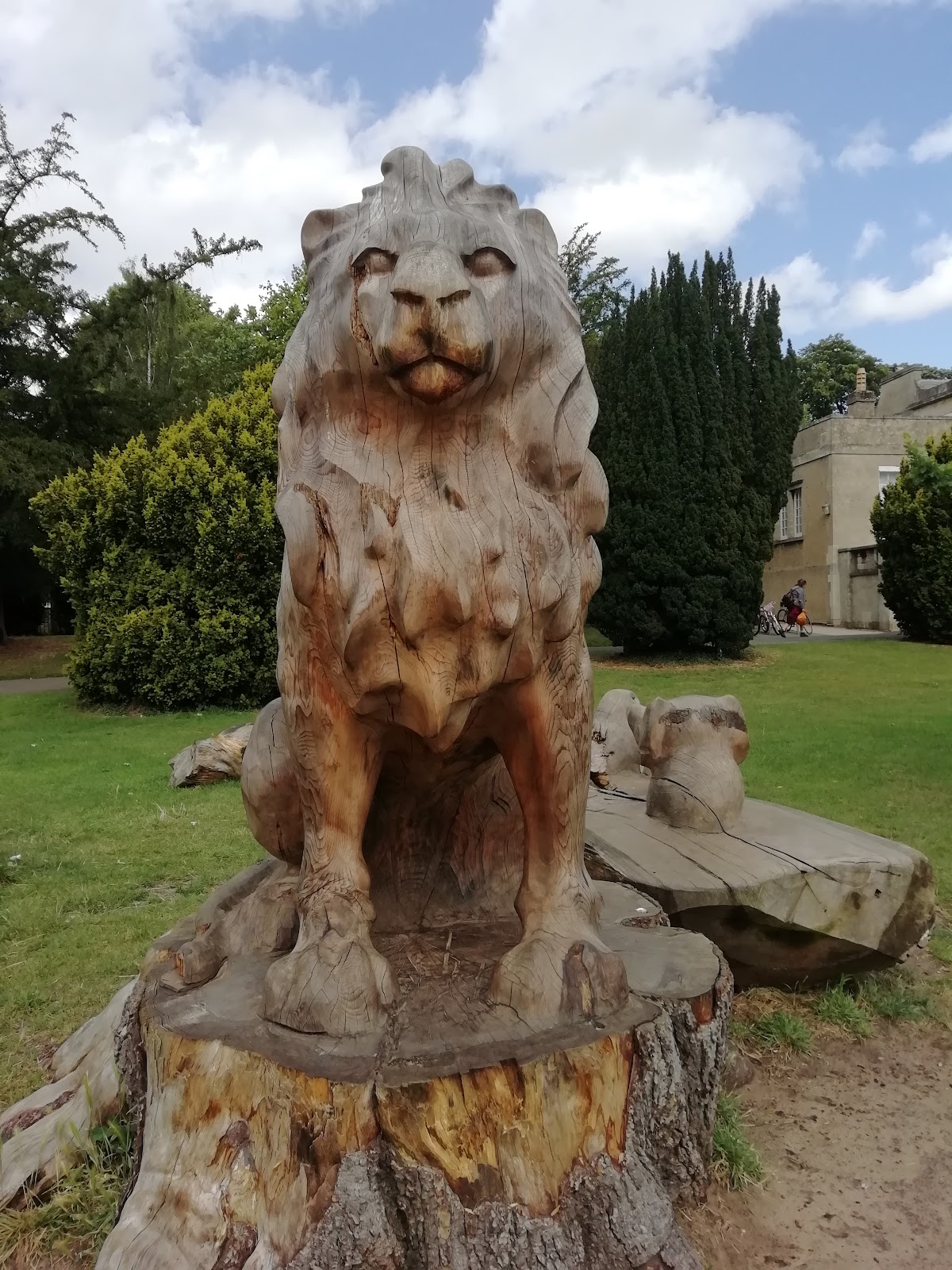
For visitors exploring Headington with children or those who appreciate public literary tributes, nearby green spaces reflect this artistic heritage. Just a short walk from central Headington's shops lies Bury Knowle Park, an open parkland featuring sensory gardens and children's play areas inspired by Oxford's fantasy literature, including sculptures themed around Narnia. Those travelling with curious young learners might also enjoy an excursion to the Science Oxford Centre, situated in the quarry area and offering family science activities amidst woodland trails.
While specialist companies like Explore Oxford Day Tours, Hidden Oxford Tours, and Oxford Tours frequently introduce visitors to central university sites, college chapels, and city locations associated with Lewis and Tolkien, Headington Quarry remains distinct. It provides an unhurried, authentic glimpse into the daily parish and suburban environment where Lewis was a neighbour, church member, and homeowner rather than just a celebrated don.
How to Get to The Kilns from Central Oxford
Reaching The Kilns from the centre of Oxford is straightforward, whether you prefer to take local public transit or combine your journey with a scenic walking tour through east Oxford's historic roads. The property is located at postcode OX3 8JD in Lewis Close, Risinghurst, just east of the Headington Quarry district.
Public Bus Transit

The most direct public transit option is the local bus network. Public bus service 4, operated by the Oxford Bus Company, runs regular services towards Risinghurst. You can alight directly at the stop on Kiln Lane marked Risinghurst, opposite Lewis Close. From this stop, Lewis Close is immediately adjacent, and a two-minute walk down the street brings you to the gates of The Kilns and the entrance to the nature reserve. This provides an effortless, car-free transit option taking roughly twenty to thirty minutes from central Oxford stops.
Walking Route from Central Headington
A scenic walking route of approximately 1 mile connects central Headington to The Kilns via London Road, Holyoake Road, Margaret Road, Quarry Hollow, and Kiln Lane, allowing visitors to view nearby Lewis connections including Holy Trinity Church before reaching Lewis Close.
Planning a Thoughtful Excursion
To get the most out of your visit to The Kilns and Headington Quarry, take time to appreciate the neighbourhood at a relaxed pace. Combining a pre-booked interior tour with a quiet stroll around the Wildlife Trust nature reserve and a reflective walk through Holy Trinity Church's churchyard makes for an unforgettable half-day itinerary. Because Lewis Close is a quiet residential street, arrive calmly, keep noise levels considerate of both scholars and neighbours, and take in the natural surroundings that sparked one of the greatest imaginative worlds in English literature.
Cover photo: C. S. Lewis House
By Alyssa.
Sources and further information
- The Kilns, Risinghurst
- C.S. Lewis Study Centre at the Kilns - C.S. Lewis Foundation
- Risinghurst, opposite Lewis Close – Bus Times
Sources checked: 2026-11-22.