Travel
Oxford Accessibility Guide: Wheelchair Access and Travel Tips
Updated 18 October 2026
When planning a trip to a city shaped by medieval scholars and centuries of architectural evolution, an essential practical question always arises: is Oxford accessible? Oxford has a worldwide reputation for historic beauty, but ancient streets, stone steps, and period buildings understandably raise questions for visitors who use wheelchairs, mobility scooters, or have other physical access needs. Fortunately, while the city presents a few distinct historic quirks, a thoughtful visit is entirely feasible with some advance preparation.
Whether you are arriving for a day trip or an extended stay, navigating accessible Oxford comes down to knowing what the terrain looks like, how the transit hubs operate, and where verified step-free access and modern facilities are located. Here is an observant, grounded guide to getting around the city smoothly.
Navigating Oxford's Historic Streets and Pavements
One reassuring aspect of Oxford is its physical geography. Oxford city centre is predominantly flat, which removes the exhausting gradients found in many other historic British cities. Paved walkways and wide pedestrianised zones connect many of the principal commercial and civic avenues, making everyday transit relatively straightforward.
However, historic charm brings historic paving. Some streets feature uneven cobblestones, shallow stone curbs, and narrow footpaths. If you are using a manual chair, a power wheelchair, or pushing mobility equipment, caution is certainly recommended when moving through secondary side lanes and older squares. Cobbled streets can generate vibration and make steering harder work than modern tarmac. For guided walking excursions, such as those that explore the collegiate core, routes are generally paced gently and can be tailored to avoid the roughest surfaces, though flagging individual mobility requirements ahead of time ensures guides pick the smoothest streets available.
Arriving by Rail: Stations and Passenger Assistance
For most regional and international travellers, arriving in Oxford happens by train. The railway network offers strong accessibility infrastructure at its key gateways, though there are specific operational details you will want to verify before travelling.
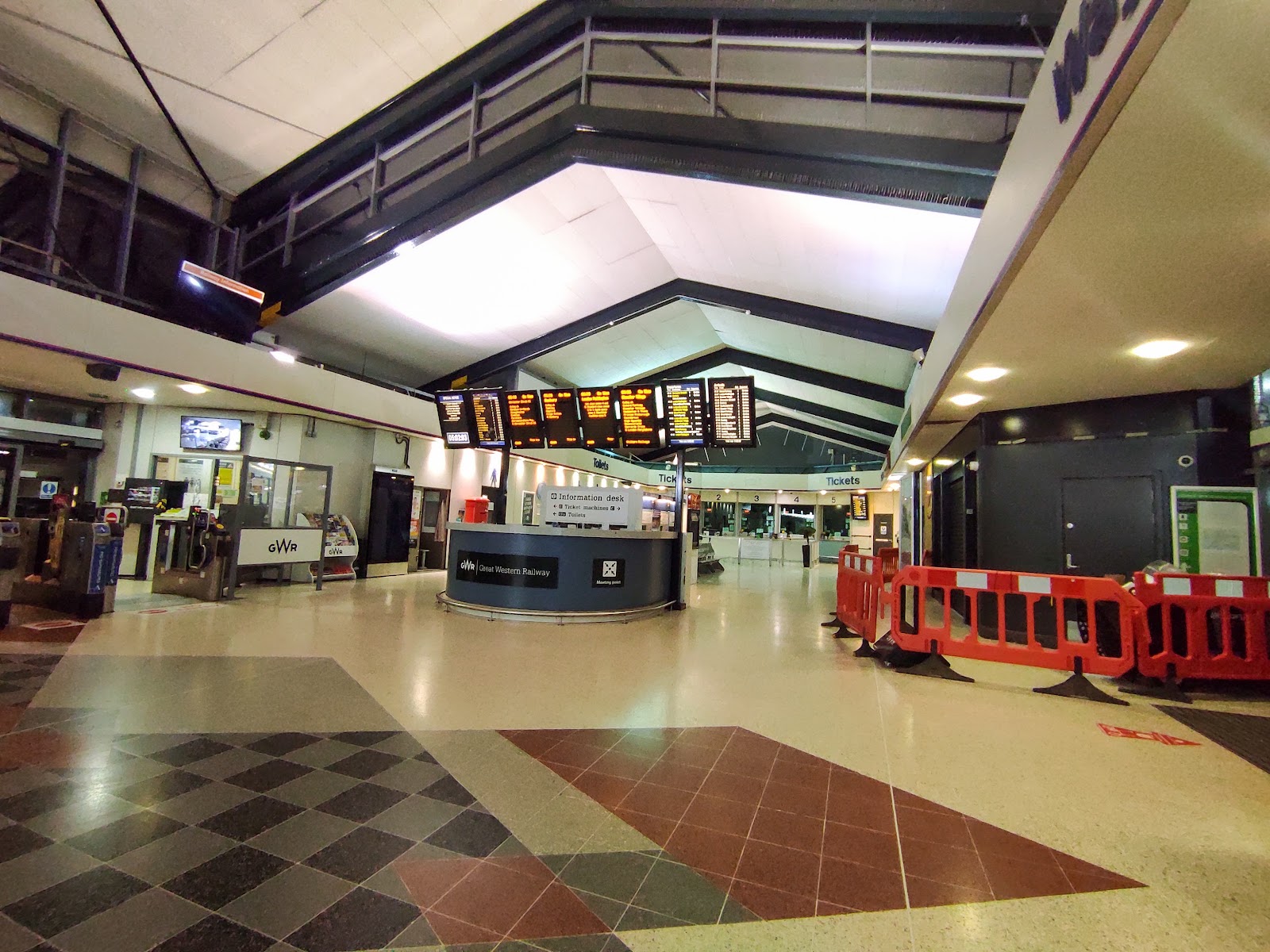
The city's main terminal, Oxford Railway Station, is classified under Category A step-free access across all platforms. Conveniently, the platforms sit level with the main station entrance, which removes the need to negotiate steep ramps or level changes right as you step off the train. Inside the station concourse, you will find accessible toilets as well as dedicated Changing Places toilets, offering hoist and bench facilities for travellers needing high-dependency care. For drivers or those being picked up, Oxford Station maintains 18 designated accessible parking spaces alongside general parking and set-down areas.
To the north of the city, Oxford Parkway station also holds a Category A step-free classification across all its platforms, 34 accessible parking bays, and a Changing Places toilet facility. However, equipment status can change: station maintenance has periodically affected the lifts between platforms 1 and 2, which highlights the value of double-checking live station updates before your journey begins.
If you travel into Oxford with Chiltern Railways, passenger assistance can be booked in advance—at least two hours prior to travel—to ensure ramps and dedicated boarding help are ready on arrival. Chiltern services accommodate mobility scooters and wheelchairs measuring up to 700 mm wide and 1200 mm long, with a combined occupant and equipment weight limit of up to 300 kg. If you are driving your own vehicle, disabled drivers holding a valid Blue Badge can park for free in Chiltern Railways station car parks once registered with staff at the ticket office.
Step-Free Civic Sites and Historic Spaces
Experiencing Oxford's architecture often involves entering heritage spaces originally built without level access in mind. Many public bodies have undertaken dedicated retrofit projects to provide sensible, dignified access solutions.
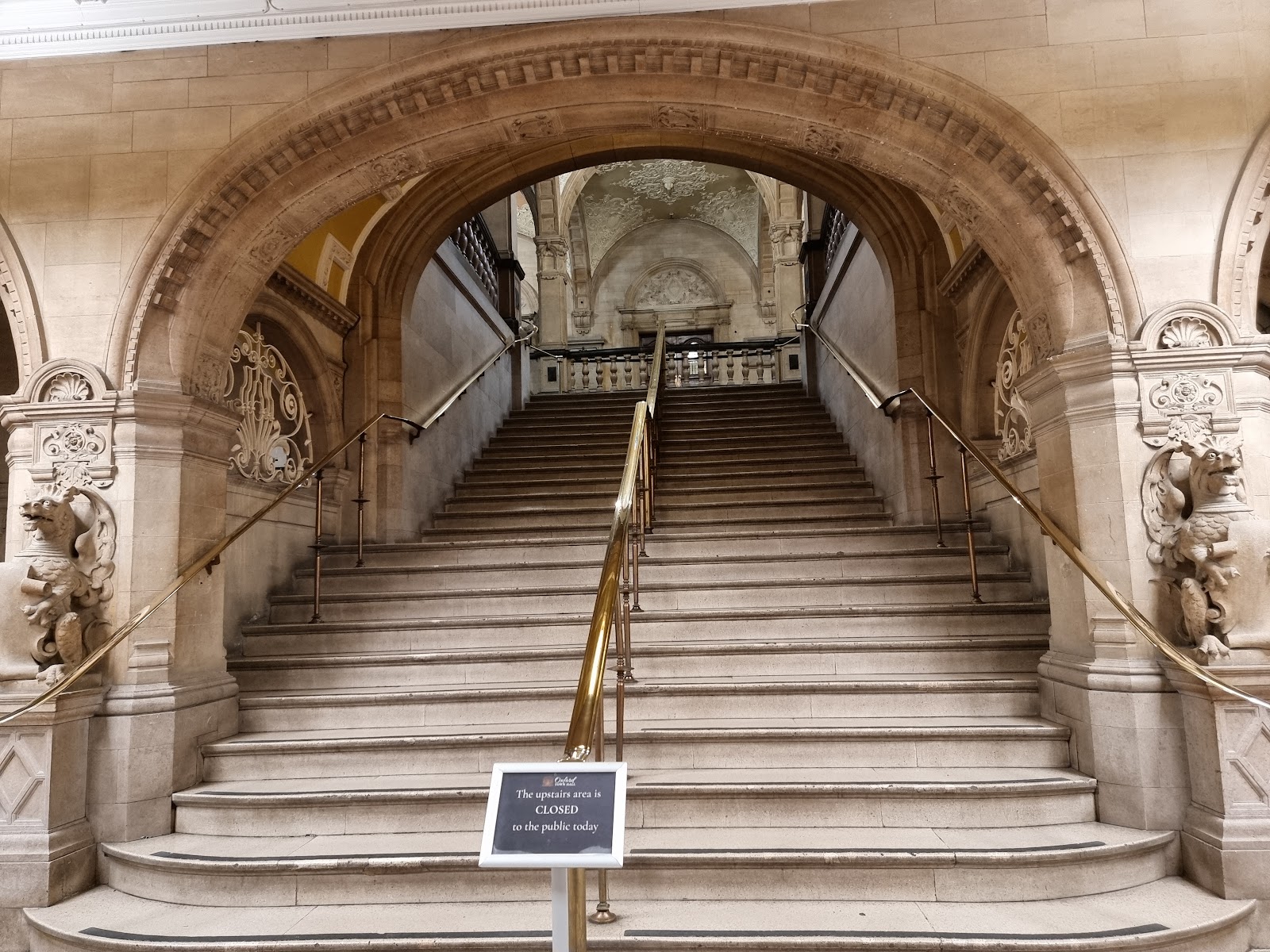
A prime example of this adaptation is Oxford Town Hall on St Aldate's. The building's historic main entrance requires ascending an eight-step flight of stairs with a handrail. Rather than forcing visitors to struggle, a level, step-free northern entrance is located roughly 28 metres along St Aldate's heading towards Carfax Tower. This entrance features an automated outer glass door and an inner call button monitored by Town Hall reception staff via CCTV to admit visitors smoothly to the ground floor.
Once inside the Town Hall, accessibility features include a passenger lift capable of accommodating electric mobility scooters (with an 80 cm wide door opening and internal dimensions of 1.3 metres by 2.8 metres). This lift opens up key municipal rooms, including the Main Hall, Old Library, and Council Chamber. Oxford Town Hall also houses three wheelchair-accessible toilets fitted with emergency pull cords and buzzer alerts.
Within the same civic complex, the Museum of Oxford offers level access and step-free gallery routes. While entering involves traversing the Town Hall ground floor corridors, the museum's interior spaces are equipped with a platform lift to handle minor internal changes in floor level between galleries. If you or a travelling companion find walking long distances fatiguing, a loan wheelchair can be requested at the Town Hall reception desk. Both the Town Hall and the Museum of Oxford welcome assistance dogs, registered service animals, and recognized emotional support animals.
Blue Badge Parking and City Centre Navigation
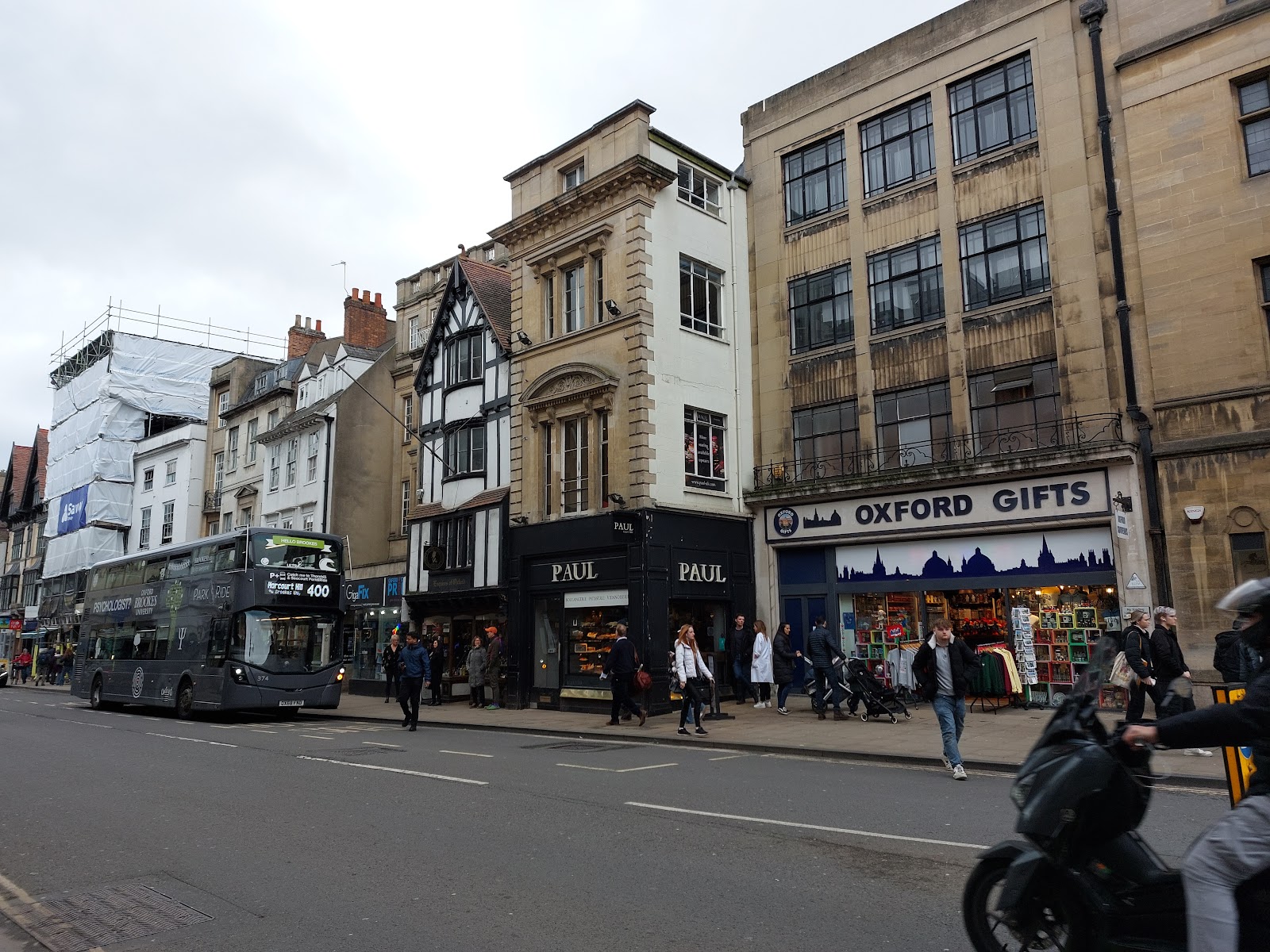
Because central Oxford operates strict traffic-calming measures and extensive pedestrian zones, arriving by car requires careful route planning. Central Oxford maintains approximately 90 on-street disabled parking spaces across its historic core. Specific designated Blue Badge bays close to central hubs include spaces along St Aldate's, Pembroke Square, High Street, and Oriel Square.
For covered, modern parking close to central shopping and dining, the Westgate multi-storey car park provides 50 dedicated Blue Badge bays. Using the Westgate car park puts you within an easy 10 to 15 minute journey on paved surfaces from sites like the Town Hall and High Street, avoiding the need to search for vacant roadside bays on congested city streets. Do bear in mind that historic venues like Oxford Town Hall lack dedicated drop-off bays immediately outside their doors, so aiming for the nearby designated bays or the Westgate car park is usually the smoothest strategy.
Planning Your Accessible Visit
When asking whether Oxford is wheelchair friendly, the practical answer is yes—provided you factor in the characteristics of an ancient academic town. The city centre is mercifully flat, public rail hubs feature Category A step-free access and Changing Places facilities, and major civic landmarks have integrated ramps, lifts, and accessible restrooms. By keeping a lookout for uneven cobbled side streets and taking advantage of dedicated parking and assisted travel services, visitors with mobility requirements can explore Oxford with independence and ease.
Cover photo: Oxford Railway Station
By Alyssa.
Sources and further information
- Access at the Museum - Museum of Oxford
- Accessibility | Oxford City Council, Town Hall
- Oxford Station | National Rail
- Accessibility | Oxford Official Walking Tours
- Oxford Parkway Station | National Rail
- Assisted Travel Information | Chiltern Railways
Sources checked: 2026-10-18.