Attractions
Visiting Pitt Rivers Museum Oxford: Tickets, Visiting Times, and Highlights
Updated 8 November 2026
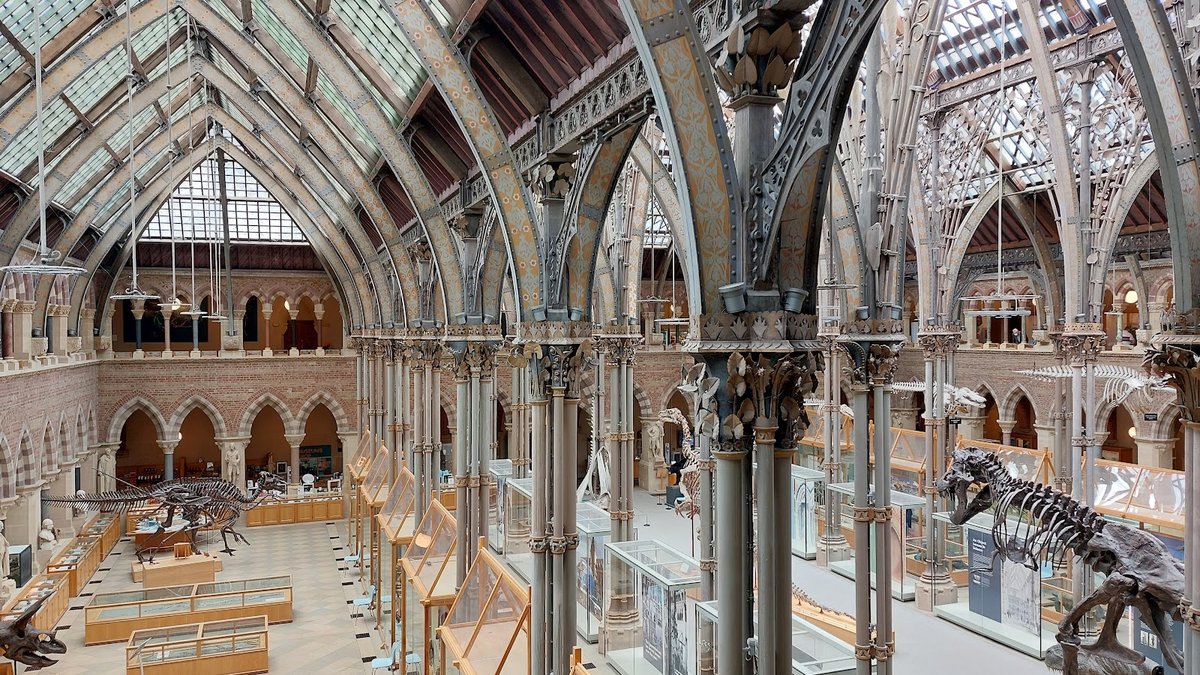
Tucked directly beyond the soaring neo-Gothic court of the Oxford University Museum of Natural History, stepping into the Pitt Rivers Museum feels like crossing the threshold into another era of exploration. When planning a visit, many travelers wonder what to expect regarding entry fees, operating schedules, navigating the labyrinthine interior, and locating its most memorable items. In this practical guide, I will share everything you need to know to organize an effortless visit to one of Oxford’s most celebrated cultural institutions, whether you are budgeting an afternoon or mapping out a quick cultural stop.
From the moment you walk inside, the museum presents a remarkable display method that sets it apart from almost any other institution in the United Kingdom. Rather than separating objects by geographic region or chronology, it groups items by human function and creative type. In the following sections, we will walk through practical ticketing information, daily opening hours, walking routes through the natural history galleries, display drawer explorations, architectural centerpieces like the monumental Haida totem pole, decolonisation updates, and essential accessibility arrangements.
Admission, Tickets, and Group Booking Policies
One of the most frequent questions from travelers considering whether to visit Pitt Rivers Museum is whether you need to buy tickets in advance. General admission for individual travelers, couples, and small families is completely free of charge, and no advance booking is required. Anyone wishing to drop in can simply walk into the museum during public visiting hours without an online reservation.
While admission is free, the institution warmly welcomes voluntary donations from visitors to help support ongoing care and maintain free access for future guests. If you appreciate the extraordinary density and preservation of the collections, leaving a voluntary contribution at the collection boxes or desks is an excellent way to support their work.
Specific policies apply, however, if you are traveling with an organized group. For parties of 10 or more people, advance booking is mandatory. In addition, groups of 10 or more must pay an administration charge of £1.50 per person. If you are coordinating a university society, school group, or travel club excursion, make sure to submit your reservation through official channels prior to arriving in Oxford to secure entry for your group.
Opening Hours and Weekly Schedules
Before planning your itinerary around Oxford, it is helpful to note that the museum’s operating schedule changes slightly on Mondays compared to the rest of the week. Pitt Rivers Museum maintains the following regular opening hours:
- Mondays: 12:00 pm to 5:00 pm
- Tuesdays through Sundays: 10:00 am to 5:00 pm
- Bank Holiday Mondays: 10:00 am to 5:00 pm
Because the galleries open at midday on standard Mondays, arriving earlier in the morning on a Monday will leave you waiting until 12:00 pm for the doors to open. On Tuesdays through Sundays, as well as Bank Holiday Mondays, doors open promptly at 10:00 am. Planning your arrival for mid-morning on a weekday or early afternoon often provides a calm window for viewing the densely packed display cases without weekend crowds.
How to Find and Enter the Museum
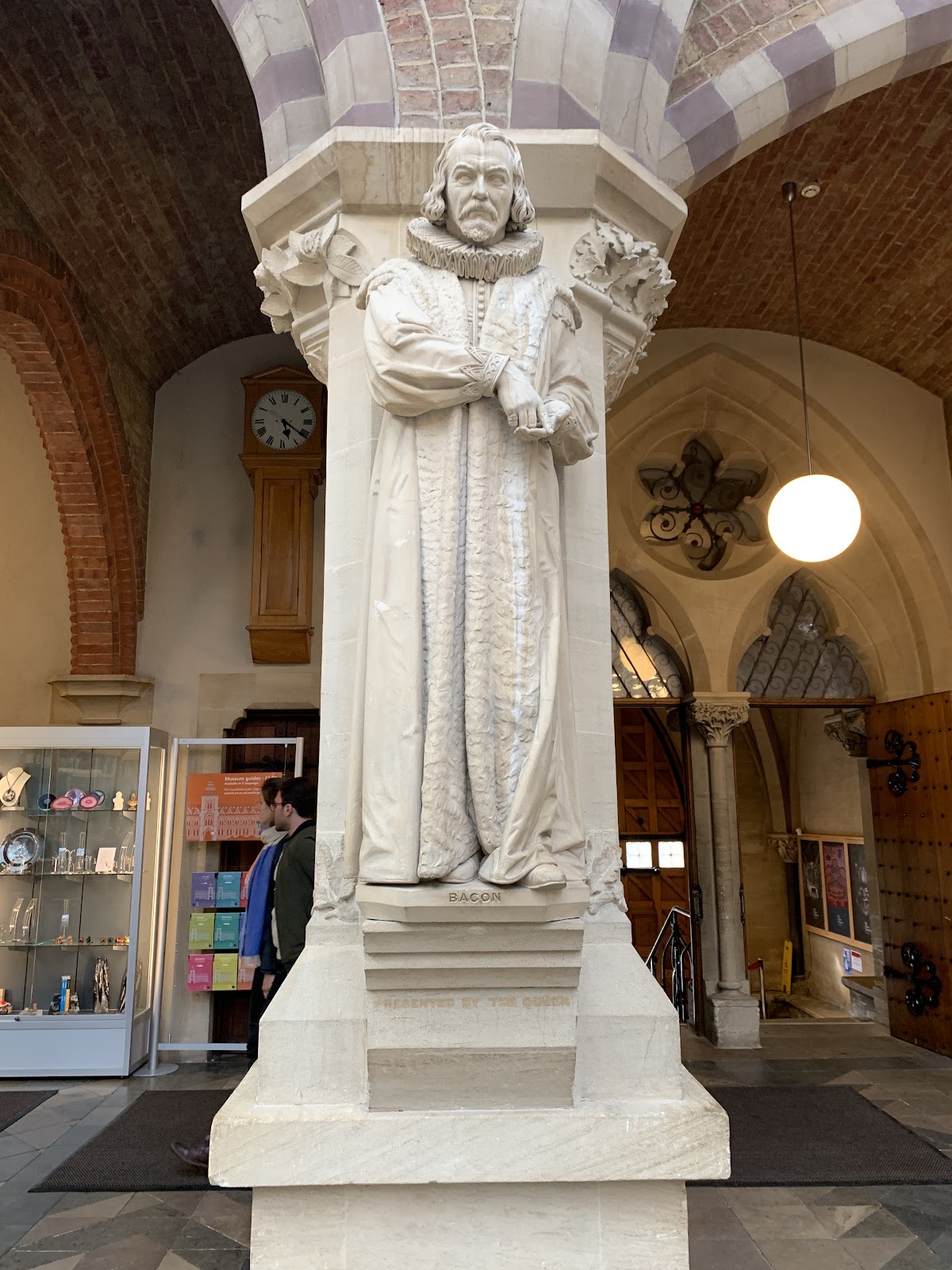
Finding the entrance to the museum is an adventure in itself because the venue does not have an independent, standalone public street entrance on Parks Road. Instead, public access is via the main building of the Oxford University Museum of Natural History on Parks Road.
To reach the Pitt Rivers entrance, use the following simple route through the natural history court:
- Enter through the main front doors of the Oxford University Museum of Natural History on Parks Road.
- Walk directly through the central court, passing the prominent dinosaur displays.
- Turn left at the statue of Charles Darwin.
- Look for the large arched wooden doorway leading directly into the dimly lit galleries of the Pitt Rivers Museum.
Transitioning from the brightly daylit, high-ceilinged hall of the natural history museum through the archway into the shadowy, atmospheric interior of Pitt Rivers is one of the most delightful architectural contrasts in Oxford.
Collection Origins: Lieutenant-General Augustus Pitt Rivers
To fully appreciate the unconventional atmosphere of the museum, it helps to understand its origins. The institution was founded in 1884 following a substantial founding gift to Oxford University from Lieutenant-General Augustus Pitt Rivers. Pitt Rivers was a career military officer and pioneering archaeologist whose passion for cataloging human material culture led to an extraordinary personal collection.
Today, the museum houses more than 500,000 ethnographic and anthropological objects gathered from nearly every continent and society across the globe. Rather than treating items merely as isolated curios, Pitt Rivers was deeply invested in comparative material culture, studying how different human communities independently developed practical tools, decorative traditions, and ritual implements to solve everyday survival challenges and express communal beliefs.
The Typological Layout: Grouping by Function, Not Geography
The defining organizational feature of the museum is its strict adherence to the typological arrangement system established by its founder. Unlike most modern museums that arrange artifacts either by chronological period or by continental geography, Pitt Rivers displays artifacts thematically by functional type.
Under this arrangement, you will see:
- Functional tools: Knives, axes, sewing needles, and fishhooks from multiple continents displayed side by side.
- Weapons and armor: Swords, shields, spears, and bows originating from vastly different eras and societies placed in shared cases.
- Ceremonial masks and headwear: Ritual disguises and celebratory headdresses positioned alongside each other to highlight comparative design.
- Personal adornment: Jewellery, body ornaments, and hair combs spanning centuries and continents grouped together.
This comparative method allows you to examine how diverse human cultures across Asia, the Americas, Africa, Europe, and Oceania devised distinct aesthetic and mechanical solutions to universal human needs. As you study a single display case, you can observe how people living thousands of miles apart applied stone, bone, metal, wood, and plant fibers to accomplish identical tasks.
Navigating the Atmospheric Levels and Display Drawers
The physical space of the museum is famous for its moody, evocative Victorian atmosphere. The galleries are intentionally dimly lit, which protects delicate organic materials from light degradation while creating a quiet, reverent ambiance. The interior is arranged across three primary viewing tiers: a main ground floor and two elevated mezzanine levels reachable by staircases and an interior lift.
Throughout each floor, floor-to-ceiling glass cabinets stand tightly packed together. However, what makes a visit truly interactive is that the exhibits are not confined solely to what rests behind the glass vitrines. Beneath many of the glass cases, you will discover rows of wooden drawers fitted with brass pulls.
Visitors are encouraged to gently pull open these display drawers to uncover thousands of additional artifacts. Inside, you will encounter meticulously arranged items from Oceania, Asia, Africa, Europe, and the Americas, each accompanied by small, historical handwritten labels detailing their cataloging notes. Taking time to inspect these drawers reveals hidden gems that casual observers simply walking along the aisles often miss entirely.
Key Highlights: The Towering Haida Totem Pole
While the museum contains half a million artifacts, several central showstoppers immediately command your attention. Rising prominently through the multi-level gallery space is the breathtaking Haida totem pole, standing at an impressive 11.36 metres tall.
Carved by Haida artists of the Pacific Northwest coast, this monumental cedar pole serves as an architectural anchor within the gallery court. Because of its sheer height, it can be viewed from multiple vantage points: looking up at its intricate animal crests from the ground floor, or inspecting its upper carvings at eye level from the first and second mezzanine balconies. Its presence emphasizes the incredible scale and diversity of human woodworking and storytelling traditions housed within the gallery walls.
Modern Ethical Reviews and Collection Decolonisation
While celebrating human ingenuity, the Pitt Rivers Museum has also engaged deeply with its institutional history through comprehensive ethical decolonisation reviews. For many decades, older tourist descriptions highlighted the presence of human remains, most notably shrunken heads (tsantsa) from South America. As part of ongoing ethical reviews and restorative justice initiatives, human remains—including the shrunken heads—were permanently removed from public display.
Furthermore, in 2022, the museum took meaningful steps by repatriating the remains of 17 Aboriginal individuals back to the Australian government. Alongside repatriation efforts, curatorial teams continue to review and update original display labels to remove outdated or derogatory colonial language, ensuring the museum approaches living cultural traditions with respect, transparency, and accuracy.
Accessibility, Level Entry, and Visitor Amenities
Despite being housed within a historic late-nineteenth-century structure, the museum offers solid accessibility provisions for visitors with mobility considerations. Because the main entrance via the Museum of Natural History requires walking across the central court, visitors requiring level step-free access can use the dedicated south entrance located on Robinson Close.
Key accessibility features include:
- Step-free level access: Available directly via the south entrance on Robinson Close.
- Blue Badge parking: Accessible parking spaces for Blue Badge holders are situated at the Robinson Close south entrance and can be reserved in advance on a first-come, first-served basis.
- Internal lift: An elevator inside the museum provides smooth transit to all gallery floors, mezzanine levels, and accessible toilets.
These thoughtful arrangements ensure that visitors utilizing wheelchairs, strollers, or walking aids can comfortably explore the multi-tiered interior without barrier issues.
Dining, Refreshments, and Gallery Rules
Exploring three levels of dense display cases can build an appetite, but it is critical to know that food and beverages are strictly prohibited inside the museum galleries to protect the historic collections from accidental spills or pests. Any snacks, packed lunches, or drinks you bring must be finished outside before entering the building.
For refreshments, visitors can enjoy the outdoor Horsebox Café operated by the Horsebox Coffee Company, situated conveniently on the front lawn. The café is open daily from 8:30 am to 5:00 pm, serving hot drinks, cold beverages, locally roasted coffees, and baked goods including fresh cakes, cookies, flapjacks, and brownies. Grabbing a warm drink on the lawn before or after your indoor exploration makes for a relaxing and restorative break.
Summary of Essential Visiting Details
| Visiting Aspect | Detail & Guidance |
|---|---|
| Admission Cost | Free general admission; voluntary donations welcomed; groups of 10+ require booking and a £1.50 per person admin fee. |
| Standard Hours | Monday: 12:00 pm – 5:00 pm; Tuesday through Sunday: 10:00 am – 5:00 pm; Bank Holiday Mondays: 10:00 am – 5:00 pm. |
| Main Public Entrance | Parks Road through the Oxford University Museum of Natural History; walk past the dinosaurs and turn left at Darwin’s statue. |
| Accessible Entrance | Step-free level entrance on Robinson Close with bookable Blue Badge parking bays. |
| Internal Layout | Main ground floor plus two mezzanine levels; lift access to all tiers; typological functional grouping. |
| Key Highlight | 11.36-metre-tall Haida totem pole rising through the mezzanine levels. |
| Food & Drink Rules | No food or drink permitted in galleries; outdoor Horsebox Café on the lawn open daily 8:30 am – 5:00 pm. |
Whether you are captivated by functional craftsmanship, intrigued by Victorian museum architecture, or simply looking to broaden your understanding of world cultures, the Pitt Rivers Museum remains an essential and unforgettable stop in Oxford. Allow yourself ample unhurried time to open the wooden drawers, gaze up at the towering totem pole, and discover the shared threads of human creativity that connect societies across time and geography.
Cover photo: Pitt Rivers Museum
By Alyssa.
Sources and further information
- Visit us | Pitt Rivers Museum
- Home | Pitt Rivers Museum
- The Pitt Rivers Museum - Oxford, United Kingdom | CityDays
- Pitt-rivers Collection
Sources checked: 2026-11-08.