Historic Pubs & Bars
A Guide to the Best Historic Pubs in Oxford City Centre
Updated 5 November 2026
Few cities in Britain preserve their social history quite as vividly as Oxford. When wandering through the compact, cobbled heart of the university core, you are tracing paths shared for centuries by scholars, poets, and townspeople alike. Oxford's historic public houses remain some of the finest windows into this layered past. These ancient taverns have weathered cultural transformations, civil unrest, and the steady hum of academic life, functioning not merely as places to grab a pint, but as living extensions of the city's intellectual and communal story. In this guide, I look closely at the verified historical public houses that define central Oxford, tracing their medieval foundations, literary legends, and atmospheric surroundings.
Finding the best historic pubs in Oxford involves stepping beyond broad thoroughfares into hidden alleyways and ancient medieval lanes. Whether nestled directly against the remnants of defensive ramparts, tucked quietly down side streets, or positioned across from world-famous university libraries, Oxford historical pubs offer an irreplaceable sense of connection to times long past. Let us explore the remarkable origins, cultural tales, and spatial layout of central Oxford's most iconic drinking establishments.
The Medieval Foundations of Central Oxford Alehouses
The tradition of tavern-keeping in Oxford is inextricably tied to the early expansion of the medieval town and the establishment of its historic colleges. Alehouses and inns were essential infrastructure for travelers arriving through the ancient city gates, scholars gathering after disputations, and local tradespeople trading at local markets. A small number of surviving locations maintain direct operational links back through the centuries, standing as tangible relics of early English urban life.
Among the oldest pubs in Oxford city centre, these establishments evolved from rudimentary beer-houses and hospitality venues run for pilgrims, travelers, and university clerks into enduring social landmarks. As the academic quarters grew around them, with institutions such as Merton College, New College, and Hertford College developing extensive stone quadrangles, the adjoining inns adapted to accommodate generations of students, fellows, and visiting luminaries. Today, stepping inside their ancient timbered rooms provides an immediate tactile sense of pre-modern England that few modern destinations can rival.
The Bear Inn: Heritage at 6 Alfred Street
Positioned quietly at 6 Alfred Street in central Oxford, The Bear Inn holds an extraordinary place in the cultural geography of the city. Operating since 1242, it ranks among the earliest verified drinking establishments in England. Its longevity places its founding deep within the high medieval era, predating many of the surrounding university colleges and urban developments that visitors associate with classic Oxford today.
Despite its vast historical pedigree, The Bear Inn is remarkably unassuming in scale. The tavern is celebrated for its compact, intimate interior, which seats approximately two dozen people inside. This snug arrangement creates an atmosphere where conversations naturally intertwine, echoing the convivial environment that has defined tavern culture for hundreds of years. In addition to its charmingly small indoor quarters, the venue features an outdoor heated garden, offering additional space for patrons seeking to pause amidst central Oxford's busy streets. Situated just a short stroll from grand collegiate landmarks, The Bear Inn stands as an enduring testament to the appeal of intimate community alehouses.
The Turf Tavern: Hidden Corners and Medieval Walls
Tucked away from the bustling thoroughfares of modern Oxford, The Turf Tavern is perhaps the city's most evocative hidden alehouse. The inn traces its origins back to 1381, when it first opened its doors to patrons during the reign of King Richard II. Over the subsequent centuries, it developed a labyrinthine character that captures the romance and mystery of late medieval Oxford.
The physical setting of The Turf Tavern is essential to its character. Classified as a Grade II listed building, the tavern is nestled against the medieval remnants of Oxford's ancient city walls. It sits directly across the site of the former town moat in the historic Holywell district, carefully positioned between New College and Hertford College. This positioning places it right at the heart of historic academic Oxford, flanked by monumental institutions such as the Bodleian Library and the Sheldonian Theatre. Arriving at the pub requires navigating through narrow, winding cobbled passageways and ancient alleys, lending a genuine feeling of discovery to every arrival.
Upon reaching the inn, visitors encounter an ancient front doorway deliberately constructed so low that guests are famously required to duck their heads to enter. Inside, The Turf Tavern reveals an intricate warren of small rooms, low ceilings, and narrow connecting corridors that reflect several continuous centuries of structural development. This architectural survival allows travelers to experience the physical constraints and cozy domestic scale of early English hostelry.
Literary Connections and Cultural Luminaries at The Turf Tavern
Given its tucked-away location amidst the university colleges, The Turf Tavern has long attracted renowned figures who shaped literature, arts, and cinema. For generations, Oxford literary pubs served as creative sounding boards, informal seminar rooms, and places of quiet respite for scholars and authors composing influential works.
Among its documented historical patrons, The Turf Tavern counts acclaimed author C.S. Lewis, whose imaginative scholarship and classic literature remain globally renowned. The pub's atmospheric wooden corners and secluded setting offered scholars a quiet retreat from formal college quadrangles. Alongside literary masters, the tavern welcomed prominent cultural figures and stage and screen icons, including actors Richard Burton and Elizabeth Taylor. The enduring appeal of the tavern across diverse creative circles highlights how Oxford's historic alehouses bridged the gap between academic seriousness and the broader cultural imagination.
The King's Arms: Oxford's Intellectual Hub Since 1607
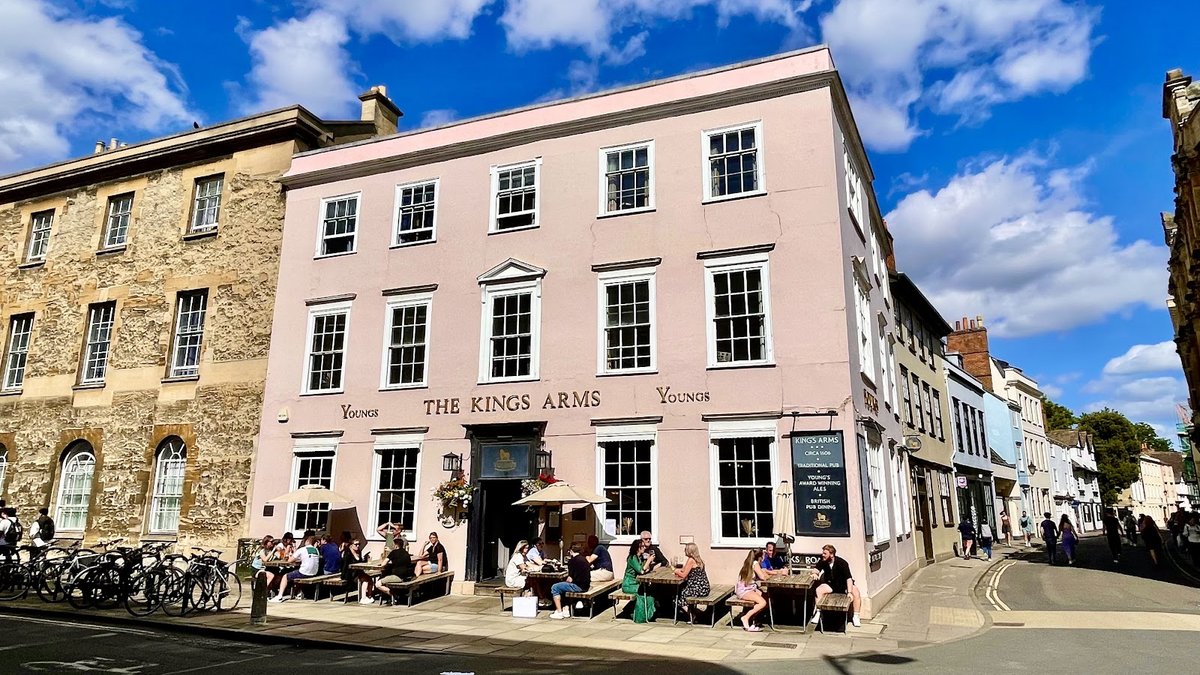
Situated in prominent view of Oxford's historic academic landmarks, The King's Arms has been continuously operating in central Oxford since 1607. Established during the Jacobean era, it has witnessed more than four centuries of university and civic life unfold right outside its windows, maintaining an uninterrupted tradition of hospitality through civil conflicts, academic reforms, and modern expansions.
Over the centuries, The King's Arms established an enduring reputation among locals, academics, and university members as one of Oxford's foremost intellectual hubs. Historically claiming an extraordinarily high concentration of student and scholar clientele, the pub has long been affectionately celebrated for possessing some of the sharpest intellectual conversation in the city. The dynamic blend of lively undergraduate debate, quiet reading, and scholarly dispute remains an integral part of its identity.
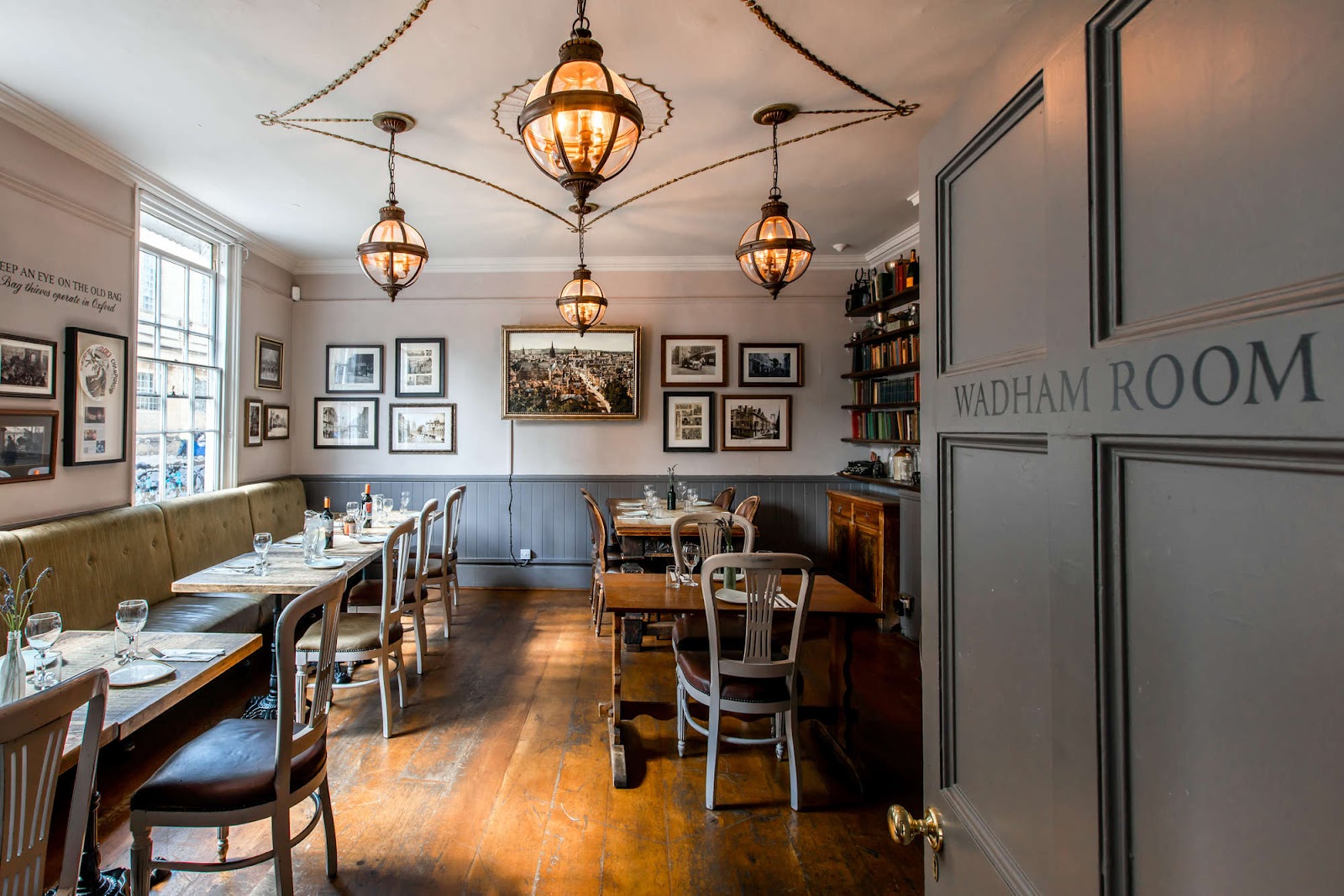
The architecture of The King's Arms reflects its deep college associations. Notably, the tavern houses the dedicated Wadham Room, an interior space traditionally utilized for private gatherings, celebratory meetings, and collegiate events. Positioned so close to the faculties and historic reading rooms, The King's Arms functions as a bustling communal living room where ideas and good company effortlessly intersect.
Comparing Oxford's Historic Alehouses
To assist in planning your visit, the following comparison table outlines the documented origins, architectural features, and historical distinctions of central Oxford's premier heritage pubs:
| Venue | Location | Origins | Key Historical & Architectural Features |
|---|---|---|---|
| The Bear Inn | 6 Alfred Street | 1242 | Extremely compact interior seating roughly two dozen people; heated outdoor garden; medieval urban legacy. |
| The Turf Tavern | Holywell district (between New College & Hertford College) | 1381 | Grade II listed building; ancient low doorway requiring ducking; nestled against medieval city walls across former town moat; reached via cobbled alleys; literary ties to C.S. Lewis. |
| The King's Arms | Central Oxford | 1607 | Jacobean-era foundation; celebrated intellectual student and academic hub; houses the historic Wadham Room for gatherings. |
Walking Through Oxford's Historic Pub Heritage
Because central Oxford is compact and primarily pedestrian-friendly, exploring its historic alehouses makes for a natural and rewarding walking route. Exploring these venues takes you past some of the city's finest architectural treasures, providing context for the urban environment in which these pubs flourished.
A thoughtful itinerary might begin around Alfred Street to visit The Bear Inn. Here, you are placed right in the historic commercial and academic grid. From there, wandering northward toward Broad Street brings you past monumental stone landmarks, including the University Church and iconic collegiate buildings. Those interested in local civic history can also admire nearby structures such as St Michael at the North Gate on Cornmarket Street, Oxford's oldest surviving building with its pre-Norman Saxon tower dating from around 1040.
Continuing toward the academic heart, walking between New College and Hertford College reveals the intricate back alleys of the Holywell district. Threading through these narrow, winding cobbled passages brings you to the tucked-away doorway of The Turf Tavern. After ducking through its entrance and enjoying its historic timbered rooms, emerging back out toward Broad Street leads you straight to the lively setting of The King's Arms, perfectly situated to complete an afternoon of heritage discovery.
The Broader Cultural Fabric of Central Oxford
Visiting historic pubs in Oxford is only one part of immersing oneself in the city's rich heritage. The alehouses gained their prestige because they existed alongside exceptional institutions of learning, literature, and art. The very alleys leading to The Turf Tavern and The King's Arms cut through an academic landscape that has nurtured groundbreaking scholarship for generations.
For visitors who wish to deepen their understanding of this academic environment, several guided experiences depart from central meeting points along Broad Street, including Visit Oxford Tours, Explore Oxford Day Tours, UK Tours & Activites, and LocalBini - Your Platform to Experience Oxford through the Eyes of Locals. These walking tours weave between historic college quads, exploring the scholarly and literary worlds inhabited by legendary figures like C.S. Lewis and J.R.R. Tolkien. Furthermore, a stroll toward Saint Michael's Street allows visitors to explore the Christian Heritage Walk: The Oxford Walk, which charts the religious, literary, and philosophical milestones woven into the city's stones.
Beyond the ancient centre, Oxford's architectural variety spans centuries, ranging from the medieval cottages and tranquil lake grounds of Worcester College on Walton Street to cultural venues such as The North Wall Arts Centre in Summertown, Whitewall Galleries in the Westgate complex, the historic dining grandeur of The Great Hall, Christ Church, and the community life centered at the South Oxford Community Centre. Yet, it is within the low-ceilinged rooms and stone courtyards of the historic alehouses that Oxford's human and conversational traditions feel most directly alive.
Planning Your Historic Pub Route: Practical Considerations
When planning a walking tour of the best old pubs in Oxford city centre, keeping a few practical spatial realities in mind will make your exploration far smoother:
- Mind the Physical Constraints: Because venues like The Bear Inn and The Turf Tavern feature authentic medieval proportions, interior seating is naturally limited. The Bear Inn seats only around two dozen people indoors, while The Turf's low entry door demands a careful duck upon entering. Be prepared for cozy, intimate surroundings.
- Allow Time for Wayfinding: Navigating the Holywell back alleys to find The Turf Tavern is part of the pleasure, but it can be easy to miss on a first attempt. Take your time winding through the cobbled alleys nestled between the colleges.
- Combine with Architectural Walks: Each historic pub is situated directly adjacent to major university architecture. Pair your stops with visits to nearby landmarks such as the Bodleian Library, the Sheldonian Theatre, and surrounding college quadrangles for a complete cultural day out.
Oxford's historic public houses remain essential anchors of the city's character. In their low doorways, quiet corners, and weathered timbers, they preserve centuries of scholarly wit, literary heritage, and warm hospitality, offering visitors an unforgettable journey into England's living past.
Cover photo: King's Arms
By Alyssa.
Sources and further information
- The Bear Inn - Fuller's Pub and Restaurant in Oxford
- The Turf Tavern Pub Restaurant in Oxford,
- Kings Arms Oxford | Historic Pub in Oxford City Centre
Sources checked: 2026-11-05.