Things to Do, Guides
Oxford's 1749 Messiah Brings Historic Sound to Oxford

|
By Alyssa | WhatsOn local events writer Alyssa picks out timely events, local favourites and useful places to eat, stay and explore. |
Quick details
| What | Oxford's 1749 Messiah |
|---|---|
| Date | 12 December 2026 |
| Time | 16:00 |
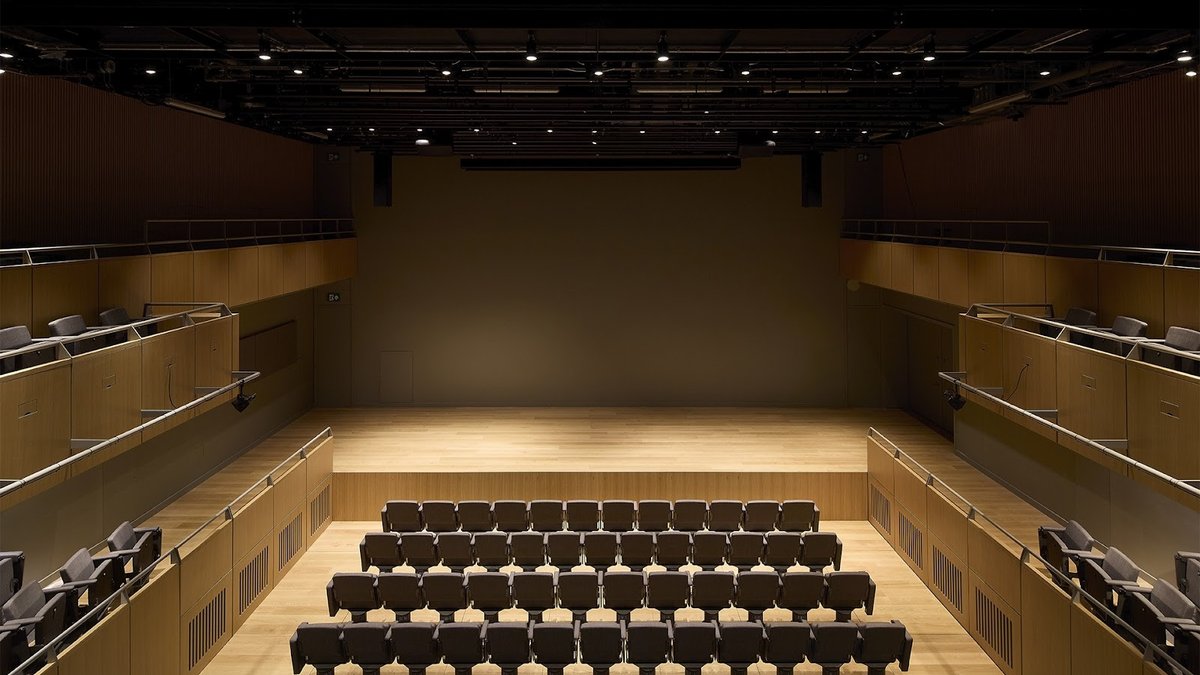
| Where | Sohmen Concert Hall, Stephen A. Schwarzman Centre for the Humanities |
| More info | Event information |
| Contact | 01865 615501 |
When Handel's masterwork was first performed in Oxford in April 1749 to mark the opening of the Radcliffe Camera, it ignited a university-wide sensation that cemented the composer's reputation across the city for centuries. This winter, Oxford's 1749 Messiah reconstructs that exact historical performance inside the state-of-the-art Sohmen Concert Hall at the Stephen A. Schwarzman Centre for the Humanities. Led by celebrated choral director Edward Higginbottom alongside period-instrument virtuosos Instruments of Time & Truth and the Oxford Consort of Voices, the concert strips away modern symphonic swell to resurrect the lean, electrifying Baroque arrangement that 18th-century scholars and townspeople first heard under the baton of William Hayes. Paired with a stellar solo roster including soprano Rowan Pierce and countertenor Hugh Cutting, this ambitious performance unites Oxford's deep archival history with thrilling live musicianship.
Gut Strings and Eighteenth-Century Choral Fire
Stepping inside the crisp, acoustically engineered timber of the Sohmen Concert Hall, you leave the winter drizzle of Woodstock Road behind for an encounter with pure historical texture. Period gut strings produce an unmistakable warmth and bite, crackling with dry articulation rather than lush vibrato. The natural Baroque trumpets cut cleanly through the hall without the piercing glare of modern brass, matching the reedy punch of historic oboes and the taut, rhythmic thunder of authentic timpani. Under Higginbottom's rigorous direction, the Oxford Consort of Voices delivers Handel's choruses with agile speed and translucent clarity, ensuring that every word of the familiar biblical texts rings with immediate dramatic tension rather than church-aisle murk.
The thrill of this 1749 scoring lies in its subtle departures from modern holiday concert conventions. Hayes adapted Handel's Dublin and London materials specifically for local vocal forces, reshaping familiar solos and recitatives into unexpected registers. Pierce's soaring, ornamental runs in soprano showpieces balance Hugh Cutting's rich, focused countertenor phrasing, while tenor Thomas Herford and bass Daniel Tate lend robust gravity to the prophecies and trials of the second part. The famous chorus does not arrive as an immovable monument, but as a nimble, dancing narrative, allowing classical purists and seasonal concertgoers alike to hear one of Western music's most celebrated achievements as living, breathing theatre.
A University Tradition Reclaimed by Local Masters
Choral music in Oxford is rarely a passive spectator sport; it is an enduring civic dialogue passed between chapel stalls, dining halls, and public stages. Instruments of Time & Truth—Oxford's own professional period-instrument ensemble—draws its players directly from the remarkable ecosystem of the city's collegiate foundations and world-touring early music specialists. When Higginbottom steps to the podium, he brings half a century of Oxford choral scholarship to bear, yet the atmosphere in the hall avoids stuffy academic lecture tones. Instead, the audience shares an intimate communal pride, watching local master musicians breathe life into archival manuscripts that have slumbered in Oxford libraries for nearly three hundred years. The crowd brings together generations of music lovers: university students leaning forward from the gallery, lifelong residents who remember Higginbottom's seminal decades at New College, and curious visitors captivated by the spectacle of hearing world-class historical performance in Oxford's gleaming newest cultural venue.
Know Before You Go
- Secure seats early via the official Schwarzman Centre box office or review performer programme details directly through Instruments of Time & Truth, as high local demand for single-performance early music specials routinely creates booking crunches.
- Plan to arrive at least 30 minutes before the 16:00 curtain to navigate the sprawling Radcliffe Observatory Quarter and collect programmes without rushing.
- Travel by public transport where possible: central Oxford operates strict zero-emission and low-traffic zones, and on-site parking at the Schwarzman Centre is limited to blue-badge holders with prior arrangement. The Pear Tree and Peartree Park & Ride buses drop off along Woodstock Road moments from the entrance.
- The concert runs just over three hours with an interval; check cloakroom facilities on arrival to stow heavy winter coats and umbrellas.
- The Sohmen Concert Hall is fully accessible, featuring dedicated wheelchair spaces, step-free access across all levels, and integrated assistive listening loops.
Make a Weekend of It
A late afternoon concert provides the ideal anchor for exploring the architectural and culinary delights of the surrounding city. Before heading north toward the Radcliffe Observatory Quarter, trace the architectural roots of the 1749 performance by visiting the Sheldonian Theatre on Broad Street, Sir Christopher Wren's baroque jewel where early Handel performances often raised the rafters. Just around the corner, step inside the Church of St Mary the Virgin on High Street; climb the tower steps for panoramic rooftop views overlooking the Radcliffe Camera itself, the circular library whose inaugural celebrations sparked this very Messiah arrangement.
When the final choruses fade and dusk settles over Woodstock Road, wander south into the lanes of central Oxford for dinner. Tuck into stone-baked sourdough pizzas and local cask ales tucked down an alley at The White Rabbit, or indulge in punchy curries, grilled ruby chicken, and chai cocktails at Dishoom Permit Room Oxford. If you are staying the night to soak up Oxford's festive winter lights, check into The Randolph Hotel Oxford, a Graduate by Hilton on Beaumont Street for grand Victorian Gothic elegance right in the heart of the city, or settle into the luxurious boutique suites of the Old Bank Hotel along High Street.
Whether you know every note of Handel by heart or simply want to experience Oxford's past singing inside its newest hall, I hope you have a marvellous afternoon at the Messiah with Alyssa for What's On Oxford.