Outdoor Activities
A Visitor's Guide to Cycling in and Around Oxford: Best Routes and Countryside Rides
Updated 16 November 2026
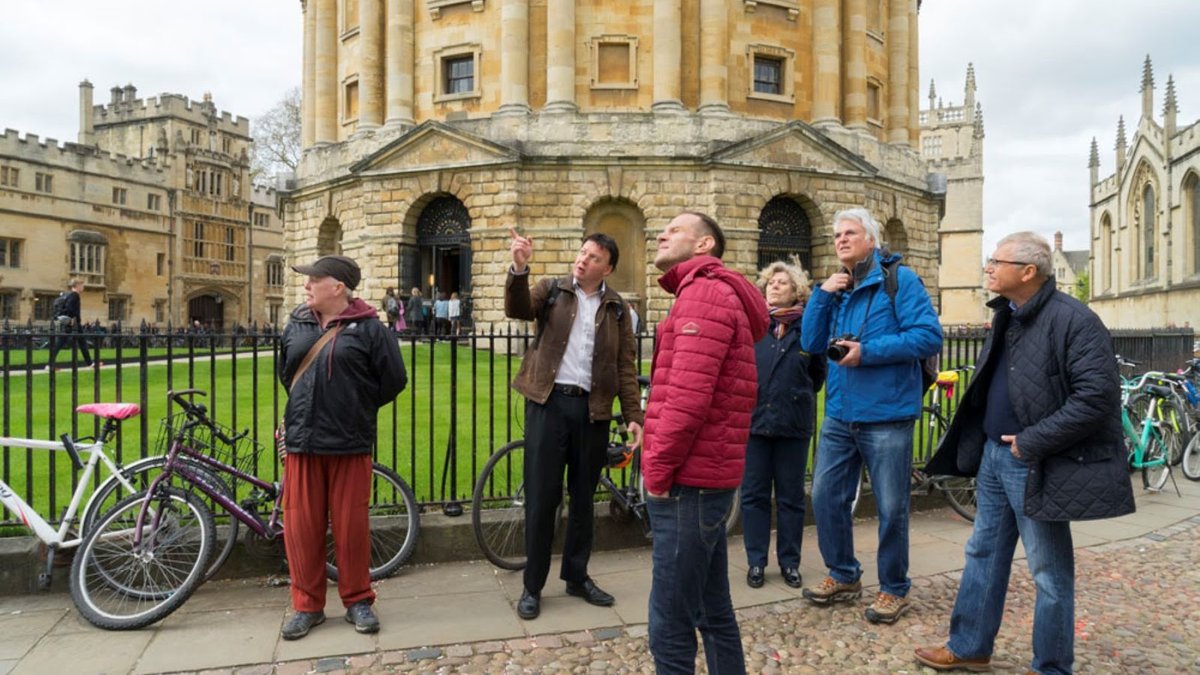
Oxford has long enjoyed a reputation as one of Britain’s most distinctive cycling destinations. With its flat terrain, expansive university meadows, and historic waterways, discovering this celebrated city on two wheels is both a natural choice and an immensely satisfying way to travel. Whether you are an everyday commuter looking to branch out or a visitor arriving for a weekend escape, taking to the saddle lets you cover substantial ground while remaining closely connected to the landscape. In this guide, I explore the premier cycling routes across Oxford and its picturesque fringes, from leafy waterside paths to dedicated trails leading into the surrounding Oxfordshire countryside.
Cycling here ranges from gentle spins along traffic-calmed urban corridors to structured day rides along regional routes. The combination of established infrastructure, scenic canal ways, and routes linked directly to regional rail lines makes Oxford an exceptionally practical base for two-wheeled excursions. Below, you will find detailed route breakdowns, practical surface profiles, and crucial etiquette pointers to help you navigate Oxford safely and smoothly.
The City Landscape: Why Oxford Suits Two Wheels
Glance across the streets of central Oxford at any time of day, and the city’s affection for cycling becomes immediately apparent. Cobbled passages, broad avenues, and quiet residential streets link together a dense network of university colleges, parklands, and riverside paths. Because motor vehicle access is restricted across several central historical zones, bicycles frequently offer the quickest and most direct way to move between distant corners of the city.
For visitors, setting out on a bicycle bridges the gap between walking and motorised transport. You can easily roll from ancient library quadrangles out to open flood meadows within minutes. Leisurely spins can be arranged independently or through organized excursions such as those coordinated by Cycle Tours Oxford or guided departures with Baja Bikes Oxford. Regardless of how you choose to ride, understanding the layout of Oxford’s dedicated tracks, shared-use paths, and waterside routes will ensure your journey is straightforward and rewarding.
Oxford to Blenheim Palace: Route Overview and Key Facts
Among the most rewarding day journeys departing straight from the city is the ride north towards Woodstock and the historic grounds of Blenheim Palace. This outing blends historic residential streets, calm canal stretches, and dedicated modern cycleways, terminating at the edge of a celebrated UNESCO World Heritage Site.
The journey follows National Route 5 on the National Cycle Network. It spans an accessible 8.3 miles (13.4 km) from central Oxford right to Woodstock. Because an impressive 71.9% of this route is classified as traffic-free, it represents an outstanding, low-stress option for riders looking to escape busy vehicle roads without venturing onto remote, unmarked tracks.
Here is a quick snapshot of the essential technical facts for this route:
- Designated Trail: National Route 5 (National Cycle Network)
- Total Distance: 8.3 miles (13.4 kilometres) each way
- Traffic-Free Portion: 71.9% of the overall journey
- Primary Surfaces: 85.4% asphalt, 14.5% firm unsealed path, and 0.1% loose unsealed ground
- Key Destinations: Jericho, Wolvercote, Oxford Canal path, A44 cycleway, and Woodstock
Navigating the Ride from Oxford City Centre to Woodstock
Setting off from central Oxford, the route towards Woodstock leads first through the vibrant residential quarter of Jericho. Known for its independent cafes and artisan shops, Jericho provides a welcoming, low-speed launchpad before connecting with the main northern thoroughfares. Departing Jericho, cyclists join the Woodstock Road corridor, where you have the flexibility to make use of the dedicated on-road cycle and bus lanes or choose the segregated pavement cycleway running alongside.
Rather than remaining beside main roads throughout the journey, the route introduces a scenic diversion through the village of Wolvercote. Here, riders trace a tranquil section beside the Oxford Canal path, absorbing peaceful water views and leafy surroundings before merging onto a dedicated cycleway constructed adjacent to the A44. This segregated path carries cyclists along the bulk of the remaining distance to Woodstock, though riders should note that the cycleway does navigate across several intermediate roundabouts along the arterial corridor.
Upon reaching Woodstock, the landscape opens into the handsome market town bordering Blenheim Palace. The entire journey provides a wonderful progression from urban heritage to open countryside, making it a staple recommendation for anyone seeking the best bike rides from Oxford.
Visiting Blenheim Palace and the Bladon Detour
Blenheim Palace represents a monumental terminus for any cycle trip. Celebrated internationally as the birthplace of Sir Winston Churchill, the estate features expansive parklands, ornamental water bodies, and ornate monumental architecture. However, anyone planning a visit on two wheels must keep local estate regulations in mind: while Blenheim Palace thoughtfully provides dedicated bike racks for visitors who cycle to the grounds, general cycling inside the Palace park grounds is strictly prohibited. Cyclists should plan to securely park their bicycles at the provided racks near the entrance before exploring the courtyards, State Rooms, and formal gardens on foot.
For those returning to Oxford who wish to add historical depth to their ride, there is an ideal side trip available. Cyclists riding between Oxford and Woodstock can undertake a short detour to the neighboring village of Bladon. The parish churchyard in Bladon contains Sir Winston Churchill’s burial site, offering a poignant and reflective stop before you retrace your route southwards into the city.
The Oxford Canal: A Historic Waterside Corridor
No exploration of cycling in this region would be complete without investigating the Oxford Canal. Engineered in the eighteenth century by James Brindley and completed in 1790, this 77-mile waterway historically transported coal and commercial freight between Coventry, the Midlands, and the River Thames. Today, its southern section provides a tranquil green ribbon connecting rural communities directly to central Oxford.
Because the canal features an uninterrupted towpath, it functions as a natural active travel artery. For cyclists, tracing the canal path allows you to bypass road traffic entirely, trading vehicular noise for the sound of gently rippling water, chirping reed warblers, and the occasional hum of a passing narrowboat. It also offers direct physical links to northern residential districts such as Summertown and suburban hubs like Kidlington.
Heyford to Oxford Cycle Ride: Towpath Touring and Surface Tips
For cyclists seeking a dedicated canal adventure, the ride along the southern section of the Oxford Canal between Heyford train station and Oxford provides an exceptional half-day outing. Spanning 14.5 miles from Heyford (OX25 5PD) straight into the heart of Oxford, this route immerses riders in the rural beauty of the Cherwell Valley.
The journey weaves through a succession of charming rural settlements. Departing Heyford station, the towpath heads south through Enslow and Thrupp, continuing past the outskirts of Kidlington before entering Summertown and finally terminating in central Oxford. It offers a classic picture of the English waterway system, complete with historic stone bridges, traditional lock cottages, and broad rural vistas.
Before embarking on this route, it is vital to match your equipment to the ground conditions. The Oxford Canal towpath surface varies along its length: while it is perfectly suitable for making steady, sensible progress on touring bikes, hybrids, or gravel setups, narrow-tyre road bikes are definitely not recommended on the rural stretches. As you draw closer to the urban boundary of Oxford, the towpath surface notably improves, transitioning into level, metalled tracks that make for smooth, comfortable pedaling.
Logistically, this canal route is remarkably simple to plan thanks to rail connections. Riders completing the 14.5-mile journey in Oxford city centre can easily pedal to Oxford railway station and catch a return train back to Heyford station, making it an effortless one-way ride that avoids the need for vehicular shuttles.
Towpath Safety, Etiquette, and Trail Regulations
While cycling along waterways like the Oxford Canal is deeply relaxing, these shared paths require consideration and care. Towpaths are multi-user environments shared by pedestrians, dog walkers, anglers, families with young children, and boat residents stepping on and off their craft. Visibility can be limited around lock cottages, arched masonry bridges, and blind bends.
Official guidance from the Canal & River Trust specifically asks all cyclists to slow down on towpaths to ensure that paths remain safe and pleasant for everyone. Maintaining a gentle, leisurely pace is essential, especially when approaching narrow footbridges, passing moored boats, or navigating through busier stretches near Oxford’s urban perimeter. A clear bell ring or friendly greeting well before passing pedestrians helps prevent surprises and ensures that towpaths remain open and friendly community spaces.
Exploring Southward: River Paths, Locks, and Regional Links
Looking south from Oxford, cycling infrastructure continues along waterways and designated regional corridors. Pathways skirting the River Thames lead out towards pastoral expanses, connecting riders with points of interest such as Sandford Lock, celebrated for featuring the deepest fall of all locks on the river. These southern trails link Oxford to adjacent market towns such as Abingdon, where local hubs like Pedal Power Tours cater to cyclists exploring the regional network, including the Hanson Way.
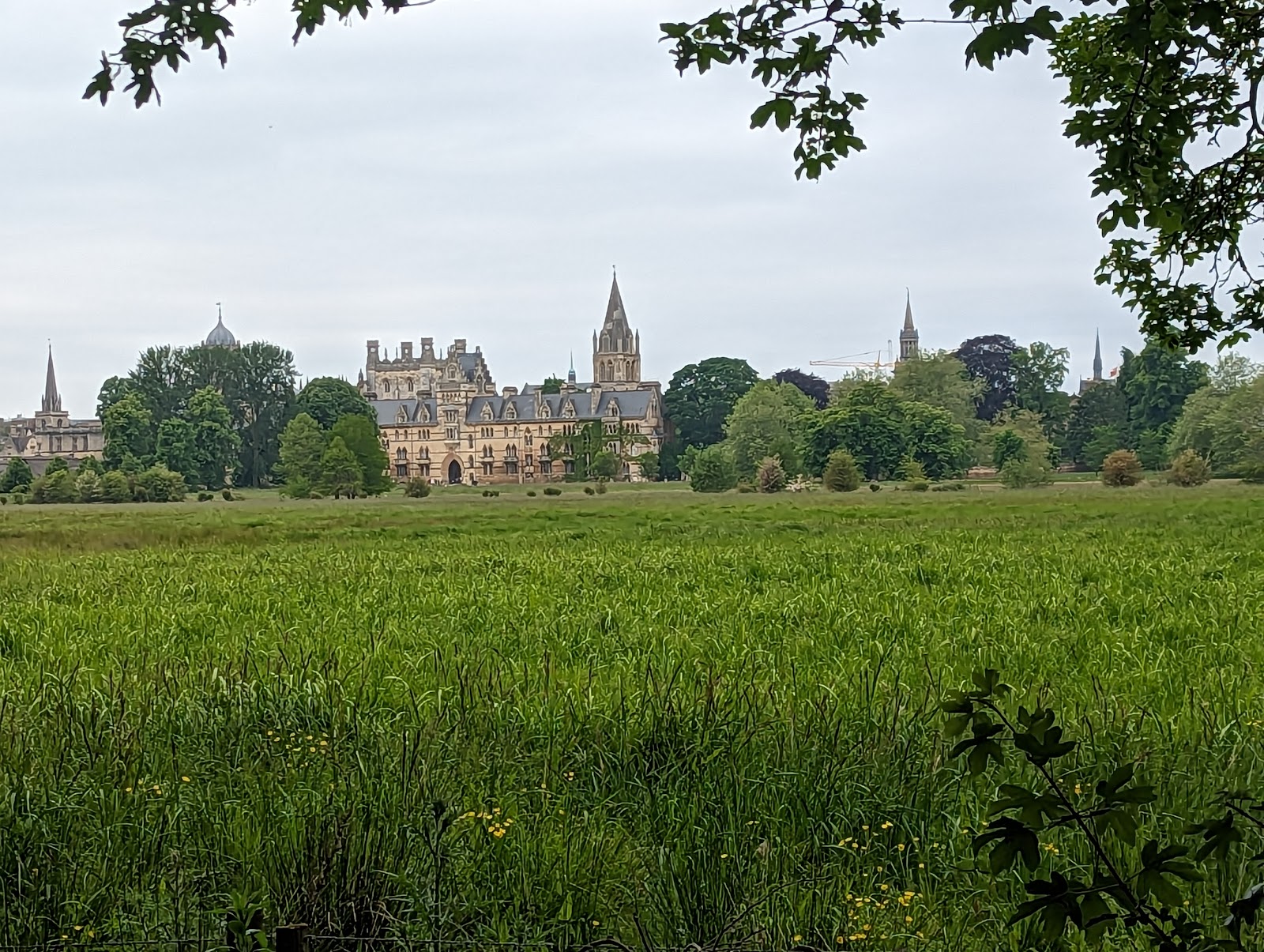
Closer to the city centre, the meadows and parklands framing the rivers offer scenic views of college boat houses and historic spires. For those who want to mix their cycling itinerary with other leisure activities, central green corridors allow easy detours to destinations like Hinksey Outdoor Pool for a swim, or quiet connections near Christ Church Meadow, where walkers and visitors can appreciate sweeping skyline vistas on foot.
Route Comparison and Planning Guide
To help you choose the ideal bike ride for your fitness level, bike type, and available time, the table below compares the primary routes departing directly from or leading into Oxford:
| Route Name | Distance | Traffic Profile | Key Surface Characteristics | Best Suited For |
|---|---|---|---|---|
| Oxford to Blenheim Palace (Woodstock) | 8.3 miles (13.4 km) | 71.9% traffic-free | 85.4% asphalt, 14.5% firm unsealed, 0.1% loose unsealed | Families, casual day-trippers, and history enthusiasts |
| Oxford Canal: Heyford to Oxford | 14.5 miles | 100% off-road towpath | Variable natural towpath; improves to level metalled tracks near Oxford | Hybrid bikes, gravel riders, nature enthusiasts, and train-assisted point-to-point touring |
| Jericho & Wolvercote Canal Link | Approx. 3 miles | High proportion of segregated paths | Paved roads and firm waterside path surfaces | Short suburban spins, cafe stops, and relaxed local sightseeing |
Practical Advice for Cycling Around Oxford
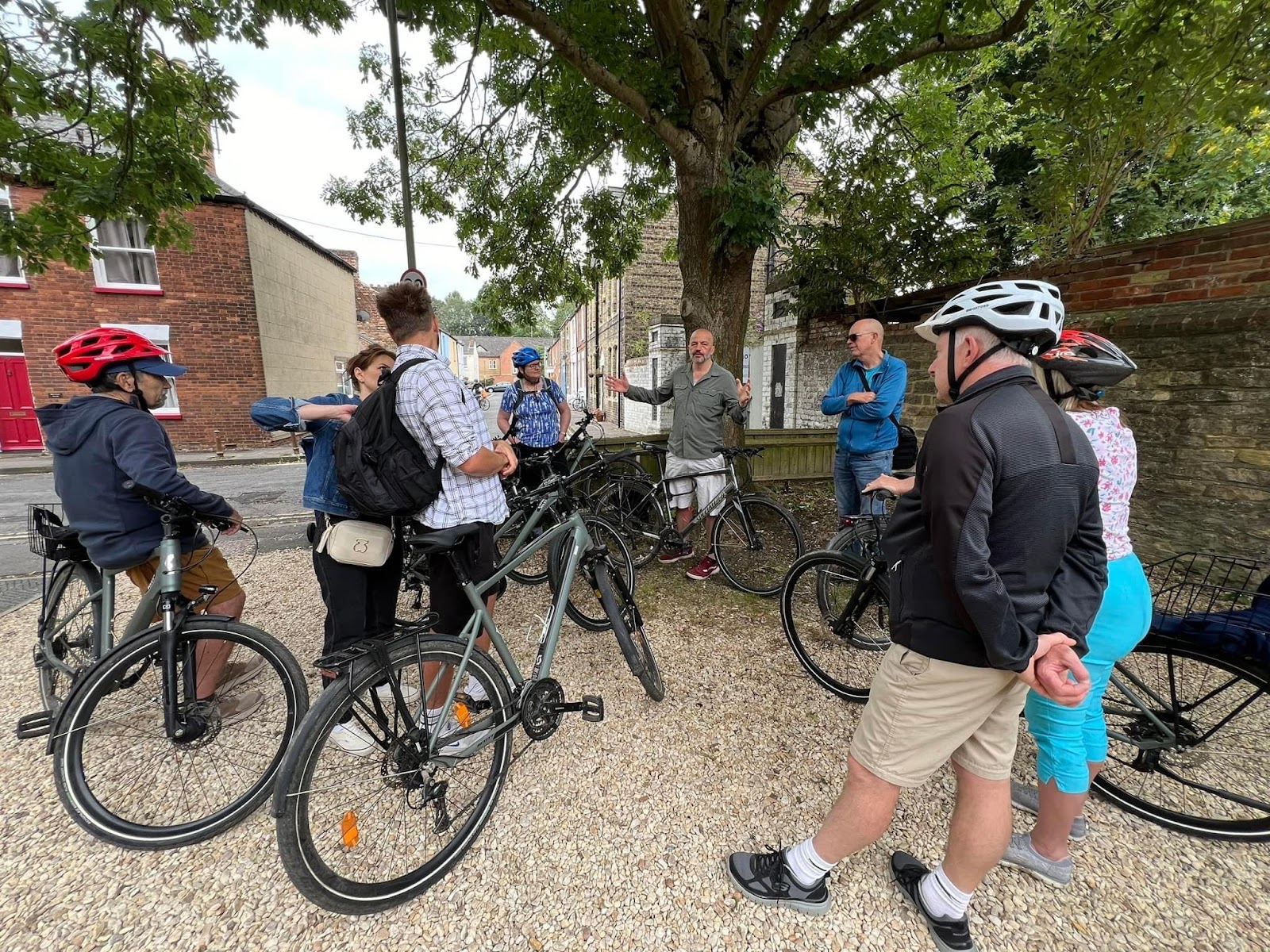
To make the most of your time on two wheels in Oxford, a few practical considerations will keep your journey smooth:
- Choose the Right Bicycle: If you intend to stick primarily to the Blenheim Palace route or city paths, road bikes and city cruisers will perform admirably across the asphalt surfaces. If your plans include the Oxford Canal towpath or rural riverside stretches, opt for a hybrid, gravel bike, or touring frame with wider, puncture-resistant tyres to cope with varying unsealed tracks.
- Bike Hire and Logistics: Visitors arriving without bicycles can source equipment locally. Providers like Bainton Bikes Cycle Hire & Tours in Jericho offer varied fleets and self-service options, placing you right at the gateway to the Woodstock and canal routes.
- Observe Pedestrian Zones and Restrictions: Oxford’s historic core features several pedestrian-prioritised shopping streets and tranquil college grounds where cycling is restricted or prohibited. Always pay close attention to local signage, dismount when required, and use designated city bike racks rather than securing bicycles to historic railings.
- Mind Your Speed on Shared Spaces: Whether sharing the path with families beside the canal or passing through village greens in Wolvercote, always give way to pedestrians and keep your speed modest.
With its unique blend of storied college architecture, tranquil canals, and accessible trails leading out to historic landmarks like Blenheim Palace, Oxford stands as one of the UK’s most rewarding cities to explore by bicycle. Select a route that fits your schedule, respect the shared spaces, and enjoy the remarkable scenery waiting along Oxfordshire's paths.
Cover photo: Cycle Tours Oxford
By Alyssa.
Sources and further information
- Heyford to Oxford cycle ride | Canal & River Trust
- Oxford to Blenheim Palace - Walk Wheel Cycle Trust
Sources checked: 2026-11-16.