
Lye Valley Nature Reserve, Oxford
Ashley Court, Peat Moors, Headington, Oxford, OX3 7HQ, GB
Rating: 4.2 ★ (5 ratings)
Details
A rare calcareous valley fen, one of the best examples in Southern England, awaits discovery in Headington, a surprising pocket of ancient habitat nestled within Oxford's urban spread. The Lye Valley Nature Reserve's unique environment is fed by lime-rich springs, creating the specific conditions needed for its SSSI-designated North and South Fens to flourish. This special status is thanks to a remarkable biodiversity, with plant and animal species thought to have inhabited the area since the last ice age, around 8,000 to 10,000 years ago. Keen-eyed visitors might spot some of the more than 300 plant species identified here, including orchids and the delicately striped Grass-of-Parnassus. It's a place where history and nature intertwine, with records showing early botanists from Oxford University studying its rich flora from the 1600s.
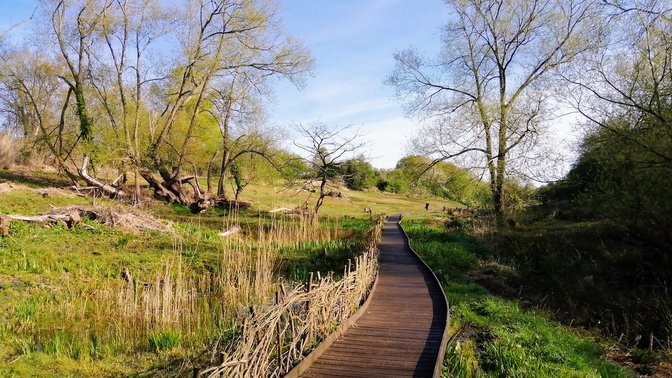
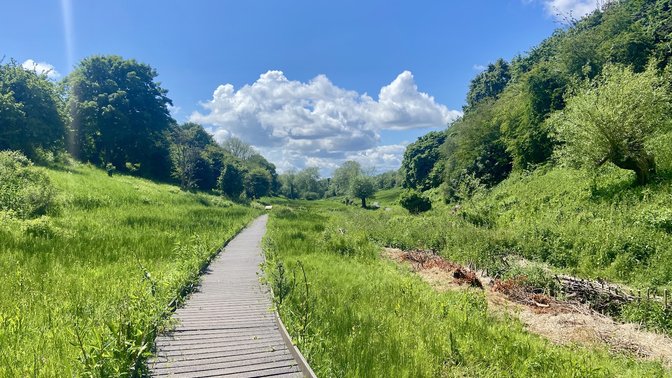
A boardwalk snakes through the valley, offering easy access for all to explore its varied habitats which, alongside the fen, include wet woodland, ponds, and the Lye Brook itself. This waterway was once the heart of a larger boggy area known locally as 'Hogley Bog' or 'Bullingdon Bog'. The reserve is a haven for wildlife; listen for reed warblers, and look out for brown hairstreak butterflies, glow-worms, slow-worms, and even deer. While there are no on-site car parking facilities, access is straightforward on foot or by bicycle from surrounding areas like The Slade, Peat Moors, or the Churchill Hospital. Whether you're interested in a peaceful walk, a chance to spot rare species, or to understand the delicate balance of a unique ecosystem, Lye Valley offers a refreshing natural escape.
Comments
More comments will appear here over time.