Bacon's Tower
Oxford, GB
Rating: 5.0 ★ (3 ratings)
Details
A prominent feature on Folly Bridge, Bacon's Tower, more formally known as Friar Bacon's Study, has a history stretching back to the 13th century when it was constructed as a defensive watchtower. Legend has it that the Franciscan friar and scholar Roger Bacon, a significant intellectual figure in Oxford and a proponent of experimental science, used this very tower as his astronomical observatory to study the stars and heavens. For centuries, this hexagonal structure served as a notable Oxford landmark, even drawing a visit from the famed diarist Samuel Pepys in 1669. Though the original tower that Bacon would have known was demolished in 1779 to allow for the widening of the increasingly busy bridge, its story and association with the pioneering friar remain an intriguing part of Oxford's rich tapestry.
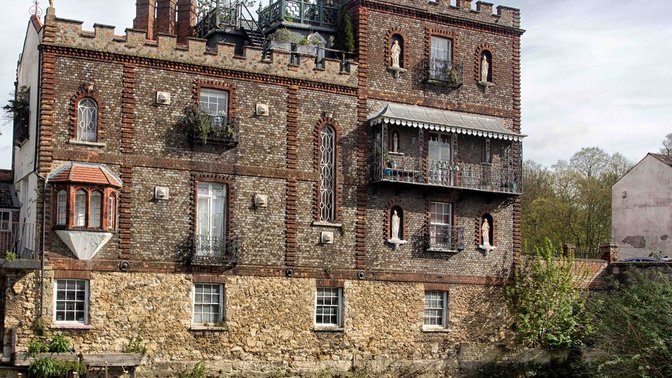
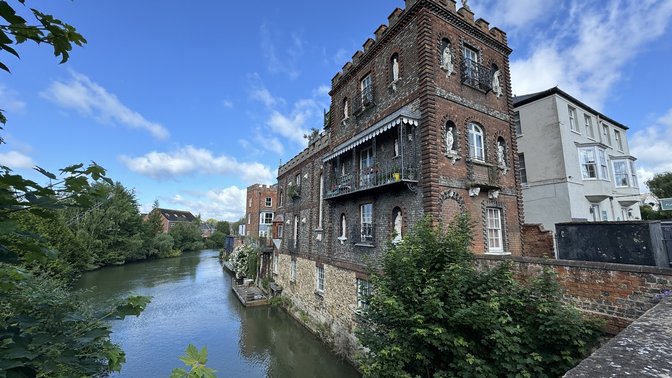
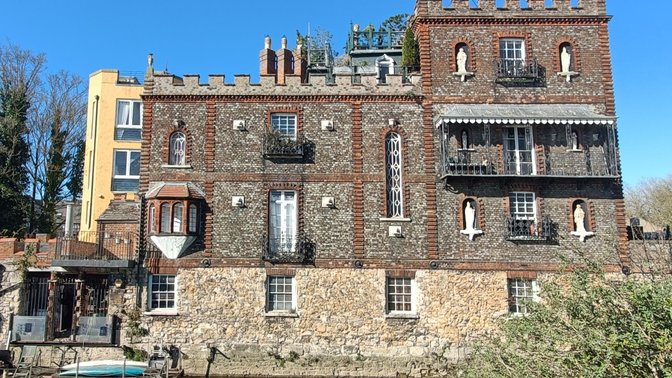
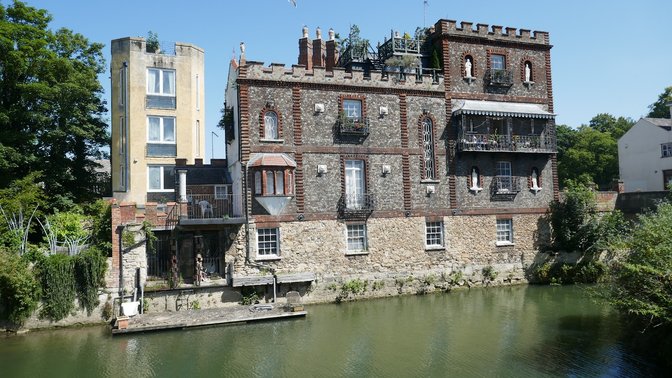
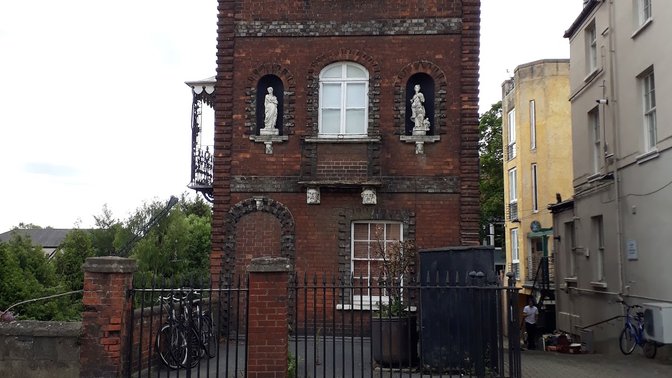
The name "Bacon's Tower" is considered traditional, as records don't definitively confirm Bacon's use, but the association has firmly stuck. Over time, the tower was altered; in the early 17th century, a citizen named Welcome added another storey, leading to the nickname "Welcome's Folly," which eventually lent its name to the bridge itself – Folly Bridge. Though the original defensive tower is gone, the site's allure persists, with the current Folly Bridge, built in the 1820s, still evoking the area's long history. The nearby distinctive castellated house, sometimes mistakenly called Bacon's Tower, was actually built in 1849 for an eccentric local and later became home to Robert Gunther, the founder of Oxford's Museum of the History of Science, adding another layer to the locale's intellectual heritage.
Location
Comments
More comments will appear here over time.
Es cierto que Bacon tuvo una torre en Folly Bridge, pero fue demolida en 1779.
Esta casa en Folly Bridge, se conoce como Cauldwell's Folly. Fue construida en 1849 por Joseph Cauldwell, un contable excéntrico, que quería que la casa fuera como un castillo para resistir los ataques de los estudiantes de la universidad.
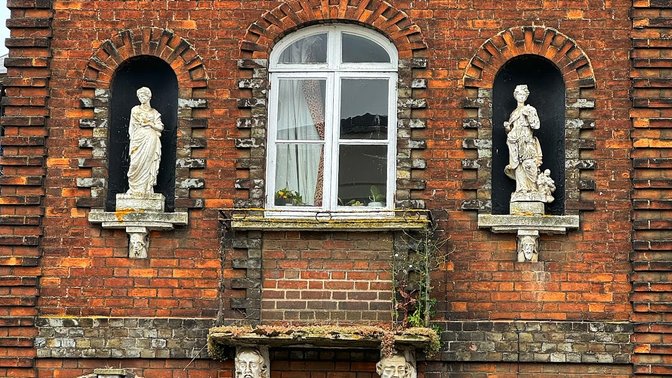
En 1911 se convirtió en el hogar de Robert Gunther, historiador de la ciencia. Una casa alusiva inusual adornada con estatuas y balcones de hierro fundido en el exterior. Esta no era la Torre de Bacon, pero sin duda fue un tributo a ella.