St. Mary Magdalen
9 Magdalen Street, Oxford, OX1 3AE, GB
Rating: 4.6 ★ (51 ratings)
Details
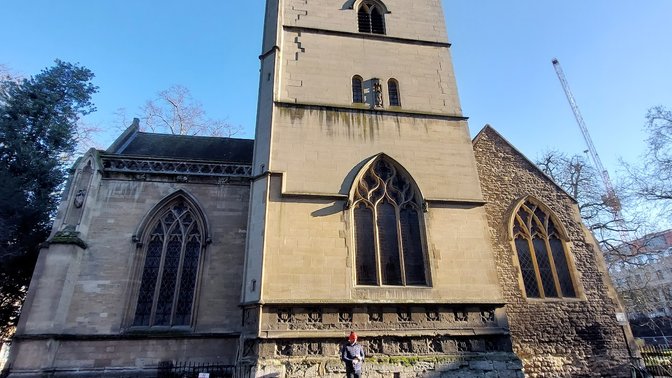
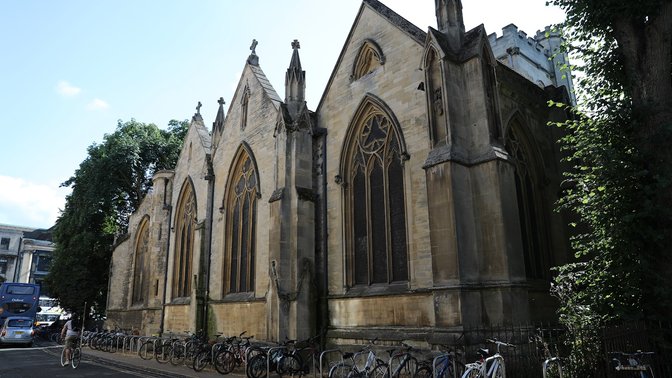
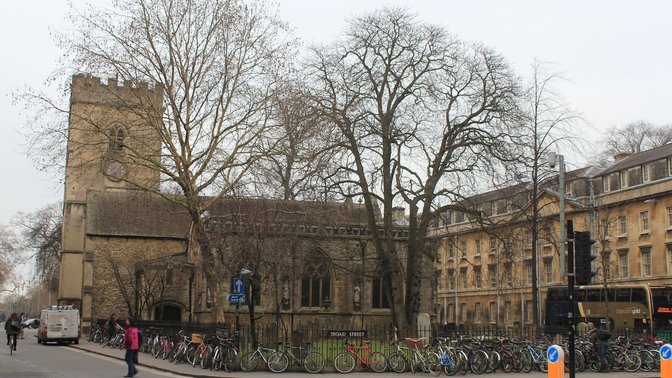
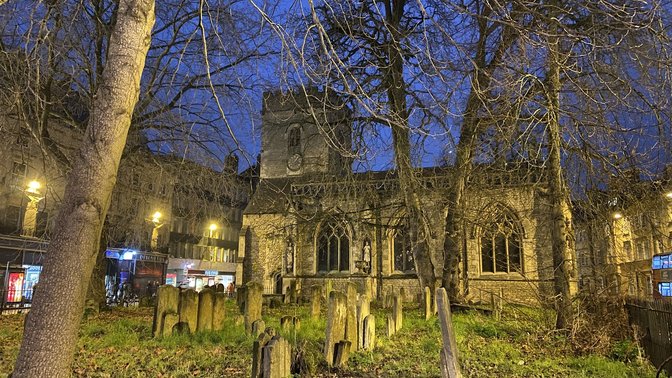
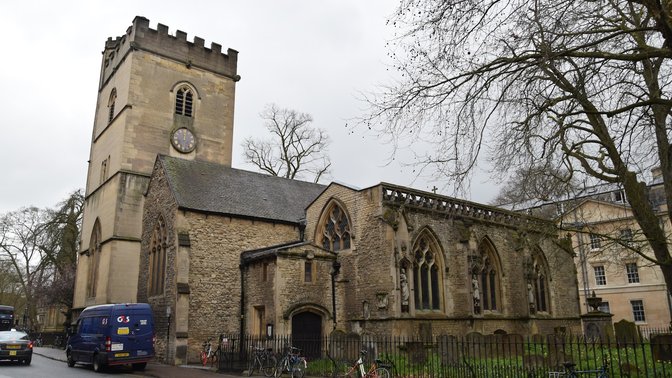
An ancient wooden Saxon church originally marked the spot of St. Mary Magdalen, established even before the Norman Conquest just beyond Oxford's city walls. This first structure was consumed by fire in 1074, leading to its replacement by a stone chapel built by Robert D'Oyly, the Norman Constable of Oxford. Significant rebuilding occurred in 1194 under the direction of St. Hugh, Bishop of Lincoln, and elements from this period, such as parts of the chancel wall and the south aisle, still endure. The west tower, a prominent feature, was constructed between 1511 and 1531, with some of its stone sourced from the dismantled Rewley Abbey. Over centuries, the church has seen numerous alterations and expansions, including the addition of the Lady Chapel in the south aisle by the Carmelites around 1320 and the north "Martyrs' Aisle" by George Gilbert Scott in 1841-42, which complements the Martyrs' Memorial located nearby.
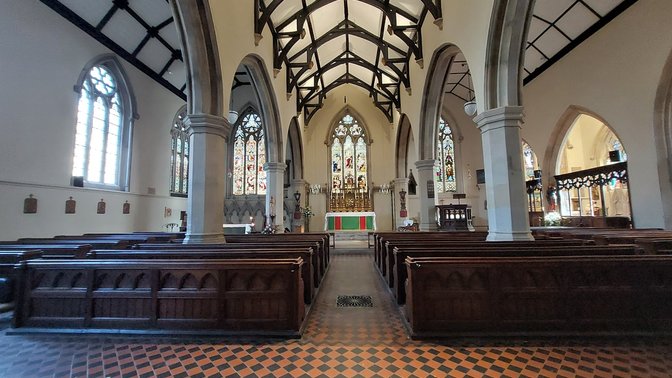
Visitors to St. Mary Magdalen can appreciate its rich architectural tapestry, which includes the first Gothic Revival interior in Oxford, designed by George Gilbert Scott. Inside, one can find an early 14th-century carved wooden chest, known as the "Jewel Chest," and an ornate font dating to about 1350. The church also features a 16th-century holy water stoup near the south door and a striking west window designed by Elizabeth Wigram in 1898, depicting Oxford's medieval history. Having played a role in significant historical periods, including damage during the Civil War and being the first church to resume using the Book of Common Prayer before the Restoration, St. Mary Magdalen offers a deep connection to Oxford's past. It remains an active parish church and a Grade I listed building, welcoming those wishing to explore its heritage.
Location
Opening Hours
Monday: 9:00 AM – 6:30 PM; Tuesday: 9:00 AM – 6:30 PM; Wednesday: 12:00 – 6:30 PM; Thursday: 9:00 AM – 6:30 PM; Friday: 9:00 AM – 6:30 PM; Saturday: 12:00 – 1:00 PM, 5:40 – 6:30 PM; Sunday: 8:00 – 8:30 AM, 10:00 AM – 12:00 PM, 5:30 – 6:00 PM
Contact
+44 1865 246143
Comments
In 1194 Saint Hugh, Bishop of Lincoln, had the church rebuilt. Work of that period survives in the east wall of the chancel wall and in the south aisle, and the altar dedicated to St Thomas Becket. By 1235 the church had an altar dedicated to the Virgin Mary. The chancel was rebuilt late in the 13th century. A century later the scholars of newly founded Balliol College had an oratory dedicated to St Catherine in the present north aisle. In 1320 the Carmelites founded a chapel in the south aisle, which survives as the present Lady Chapel.
The west tower was built between 1511 and 1531. The south porch, with a room above it, was also added around this time.
In 1841–42 the church was restored. The architects for the north or "Martyrs' Aisle" were George Gilbert Scott, then young and unknown, and his partner W. B. Moffatt. Scott and Moffatt also had the Norman arch to the chancel removed. The north aisle complemented Scott's Martyrs' Memorial just north of the church. It was the first Gothic Revival interior in Oxford.
The architect for the restoration of the south aisle was Edward Blore.
In 1874–75 the 13th-century chancel was altered by raising the floor before the altar and adding a screen, the windows of the west tower were opened into the church and the bells were re-hung. The architect for these works was William Wilkinson.
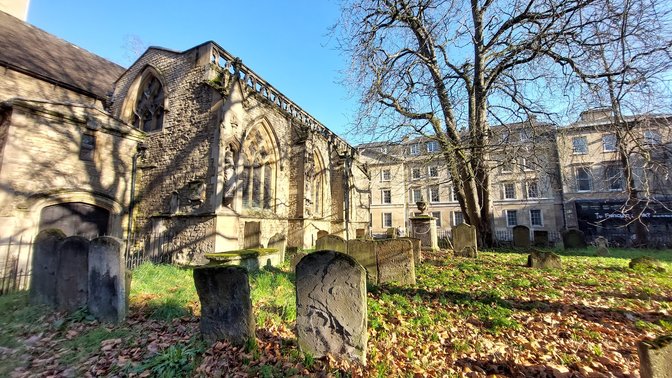
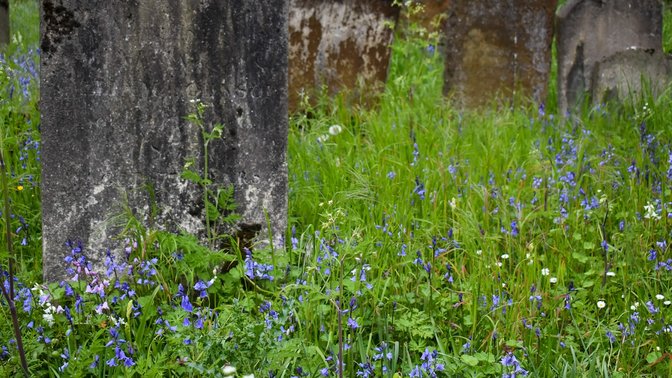
The antiquary and biographer John Aubrey was buried in the churchyard.