
Godstow Abbey
Godstow Road, Oxford, OX2 8PJ, GB
Rating: 4.4 ★ (112 ratings)
Details
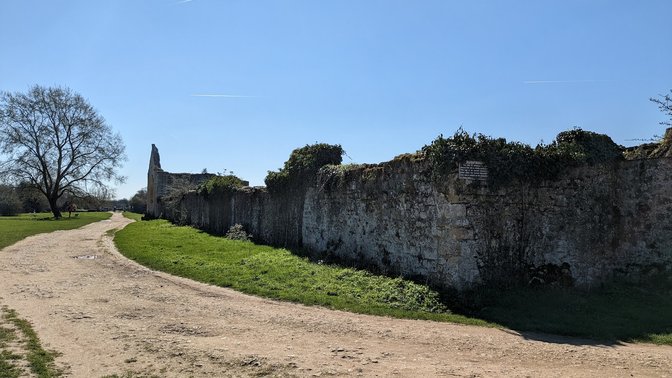
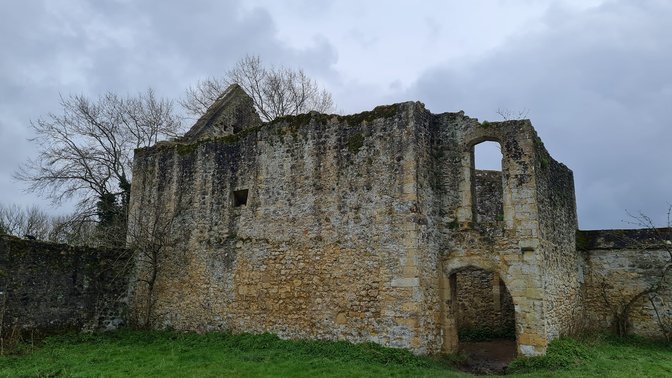
The tranquil stone ruins of Godstow Abbey, dating back to its founding by Edith of Winchester in 1133, whisper tales of medieval monastic life beside the River Thames. Once a significant Benedictine nunnery, it gained fame as the final resting place of Rosamund Clifford, the renowned mistress of King Henry II, whose tomb once drew pilgrims. Though much of the abbey was dismantled following the Dissolution of the Monasteries and later damaged in the Civil War, the remaining walls and a 16th-century chapel offer a poignant glimpse into its layered past. Wander among these atmospheric remnants, now a Scheduled Ancient Monument, and imagine the daily lives of the nuns, the royal connections, and the passage of centuries that these stones have witnessed.
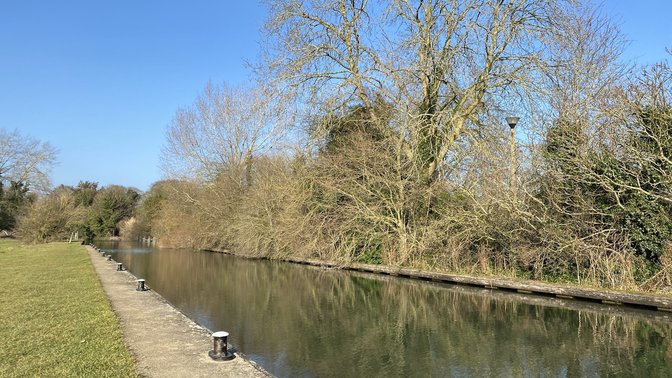
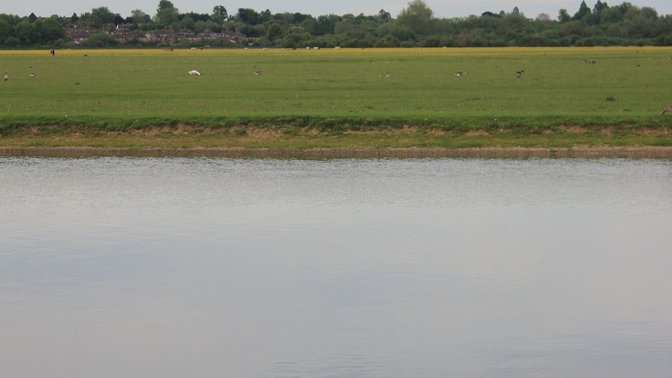
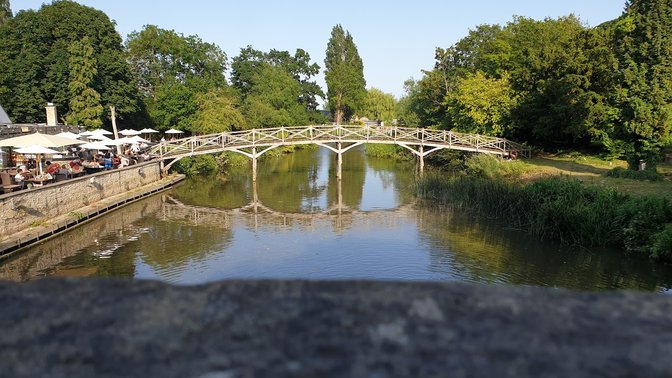
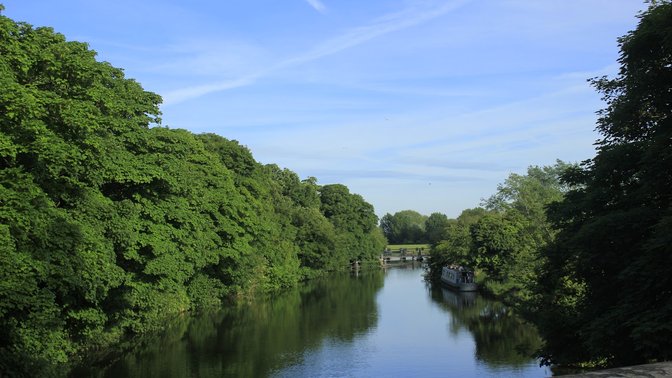
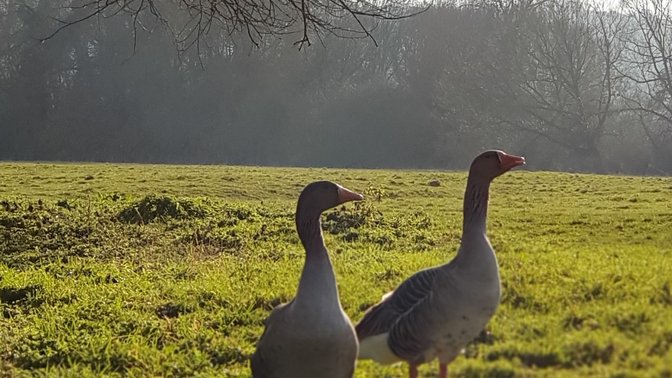
Set against the timeless backdrop of Port Meadow, one of Oxford's most ancient and expansive green spaces, Godstow Abbey offers a serene escape just a short distance from the city. The picturesque location by the Thames, near Godstow Lock and the historic Trout Inn, makes it an ideal spot for walkers and those seeking quiet reflection. Easily accessible via the Thames Path, a route enjoyed by literary figures like C.S. Lewis and J.R.R. Tolkien, the abbey's surroundings invite leisurely exploration of the meadows and riverbanks, where wildlife abounds. Whether you arrive on foot, by bicycle, or as part of a riverside ramble, the combination of rich history and natural beauty creates a uniquely peaceful environment.
Location
Opening Hours
Monday: Open 24 hours; Tuesday: Open 24 hours; Wednesday: Open 24 hours; Thursday: Open 24 hours; Friday: Open 24 hours; Saturday: Open 24 hours; Sunday: Open 24 hours
Comments
The abbey was located on an island in the River Thames and was patronized by many noble families in south-western England. The tomb of Rosamund Clifford was treated like a shrine by the nuns until Bishop Hugh of Lincoln ordered it to be removed from the high altar in 1191. The abbey was featured in several works of literature, such as Thomas Hardy's Jude the Obscure and Philip Pullman's His Dark Materials.
The abbey ruins are now a popular tourist attraction and a site of historical interest. The remains of the church, the cloister, and the chapter house can still be seen. The abbey is also home to a colony of bats and a variety of wildflowers.