Logic Lane
Rating: 3.5 ★ (2 ratings)
Details
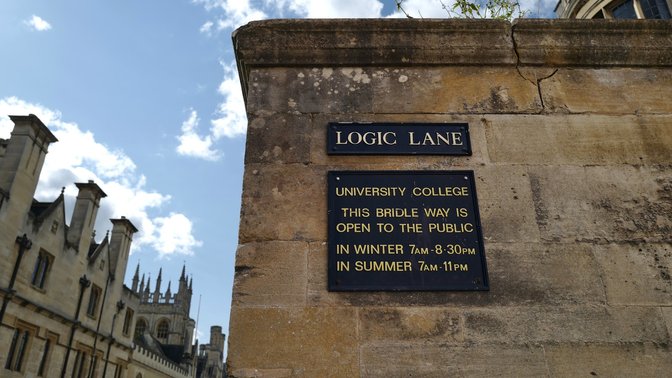
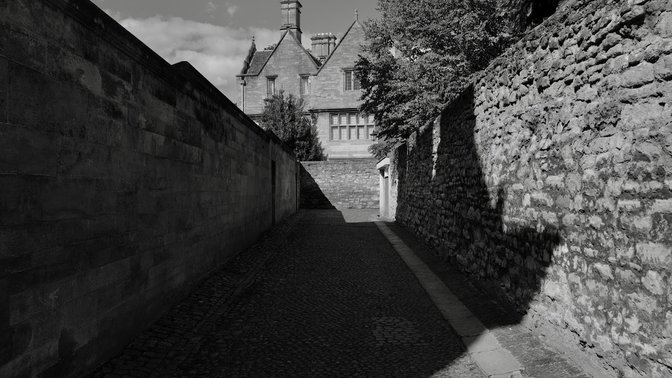
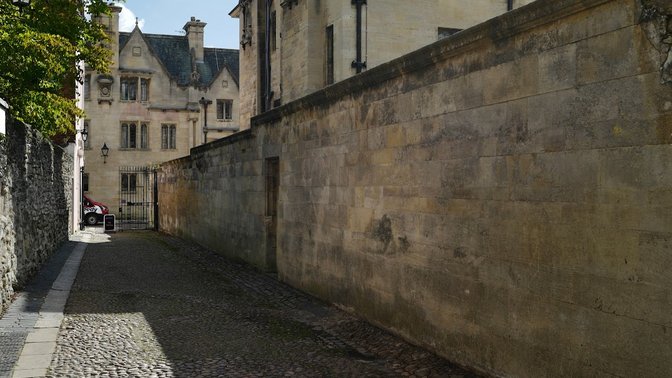
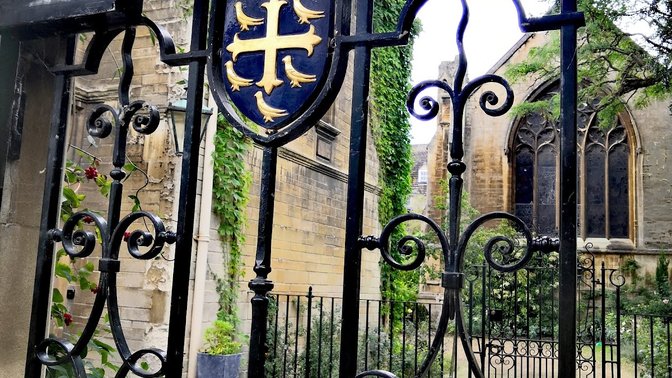
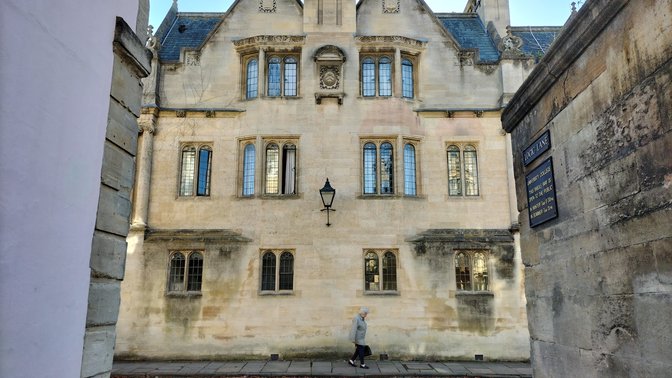
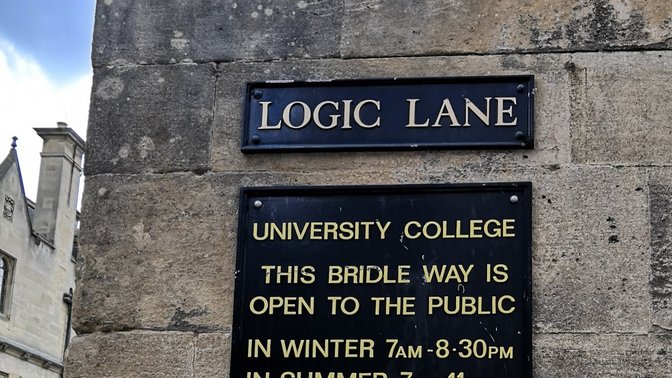
Tucked away within University College, Oxford, the cobbled surface of Logic Lane whispers tales from as far back as the 13th century. Originally known as Horseman Lane or Horsemull Lane due to a medieval horse mill located there, its name evolved by the 17th century, a nod to the school of logicians situated at its northern end. This historic passage connects the bustling High Street to the quieter Merton Street, running between the older main buildings of University College and its 1903 Durham Building. More than just a thoroughfare, the lane itself became the subject of a "town and gown" dispute in the early 20th century when the college proposed a bridge to connect its buildings.
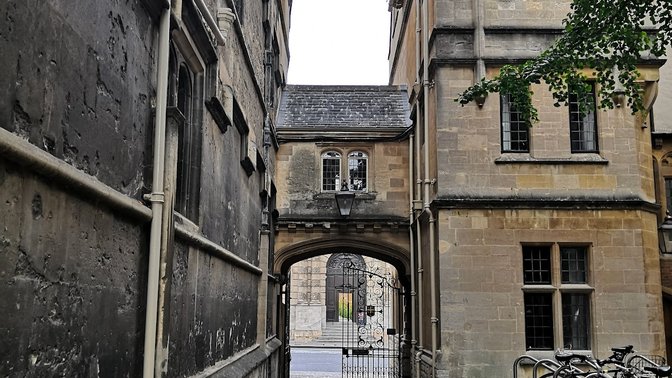
Today, a distinctive covered bridge, completed in 1905 and designed by Harry Wilkinson Moore, arches over Logic Lane at the High Street end, a permanent reminder of the college's victory in the dispute over its right to build. While primarily a pedestrian route offering a picturesque slice of university life, and providing step-free access to parts of University College, the lane is gated and locked at night. Its historical significance is further deepened by archaeological finds from 1960, which unearthed evidence of Bronze Age ditches and Saxon remains, suggesting activity on this site long before the scholars of logic paced its length.
Comments
More comments will appear here over time.