
Martyrs' Memorial
13 Magdalen Street, Oxford, OX1 3AE, GB
Rating: 4.3 ★ (678 ratings)
Details
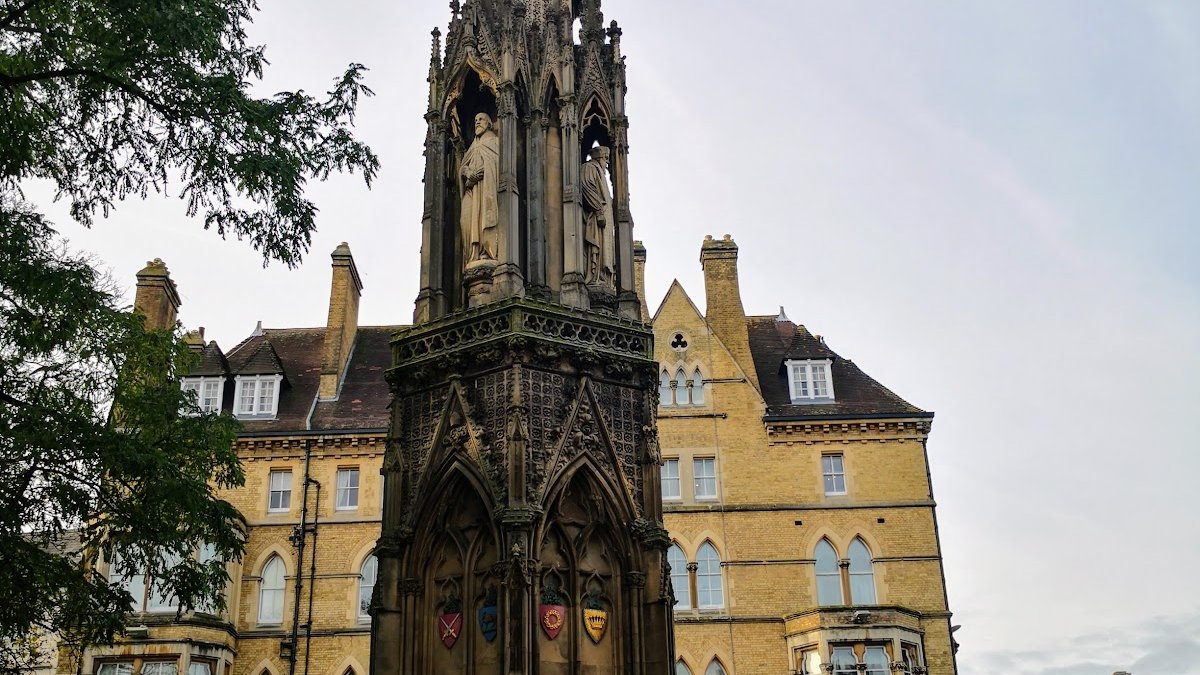
Martyrs' Memorial is a striking Victorian Gothic stone monument, standing proudly at the intersection of St Giles', Magdalen Street, and Beaumont Street in Oxford. Designed by Sir George Gilbert Scott and completed in 1843, this elegant structure commemorates the 16th-century Oxford Martyrs: Archbishop Thomas Cranmer, Bishop Hugh Latimer, and Bishop Nicholas Ridley, who were martyred nearby. Its design, inspired by the medieval Eleanor crosses, gives it a cathedral-like spire appearance, creating a solemn yet prominent landmark in the city's heart. It replaced a "picturesque but tottering old house", establishing itself as a focal point and popular gathering place.
This intricate memorial features three carved statues by Henry Weekes, depicting Cranmer, Latimer, and Ridley, each positioned in a niche. The figures are crafted from Caen stone, contrasting with the magnesian limestone of the monument's body. An inscription at its base eloquently details the monument's purpose, bearing witness to the sacred truths for which the martyrs suffered. Visitors can admire the fine architectural details and painted heraldic shields, or simply pause on the steps to observe the bustling Oxford life around this historically significant site.
The Martyrs' Memorial particularly appeals to those with an interest in English history, especially the Reformation period and Victorian architecture. It offers a reflective experience for individuals keen to understand Oxford's profound religious and political past. As a free and publicly accessible landmark, it serves as an excellent meeting point and is suitable for all visitors, providing a poignant reminder of historical bravery and significant religious conviction in the heart of this ancient university city.
Location
Opening Hours
Monday: Open 24 hours; Tuesday: Open 24 hours; Wednesday: Open 24 hours; Thursday: Open 24 hours; Friday: Open 24 hours; Saturday: Open 24 hours; Sunday: Open 24 hours
Contact
http://www.oxfordhistory.org.uk/stgiles/tour/martyrs_memorial.html
Comments
The Martyrs' Memorial is a profound tribute to those who sacrificed for the nation. Its striking architecture and historical significance make it a must-visit for reflection and remembrance. The site is well-maintained, offering a serene atmosphere that enhances its impact. Beyond its symbolic presence, it stands as a reminder of resilience and courage. A landmark rich in history, it deserves recognition as both a place of honor and an important part of the nation's heritage.
For a visitor, this means it fails as a destination. You cannot comfortably pause to reflect or read its inscriptions amidst the swirling traffic and crowds. Its primary function today is as a grand orientation point, useful for spotting from a distance to navigate toward the Ashmolean Museum or the city centre.
My firm advice is to admire it from the safety of the pavement and then walk two minutes south to Broad Street. Here, a simple cobblestone cross embedded in the road outside Balliol College marks the actual execution site. This quieter, more contemplative spot—ironically in a pedestrian-priority zone—holds far greater historical weight and emotional resonance.
The memorial itself is a Victorian monument to a Tudor tragedy, now trapped in a 21st-century traffic maelstrom. Treat it as a symbolic silhouette on the skyline, not a place to linger. Your time and reflection are better spent at the true site of remembrance, where history feels immediate and the city's layered past becomes tangible away from the roar of buses.
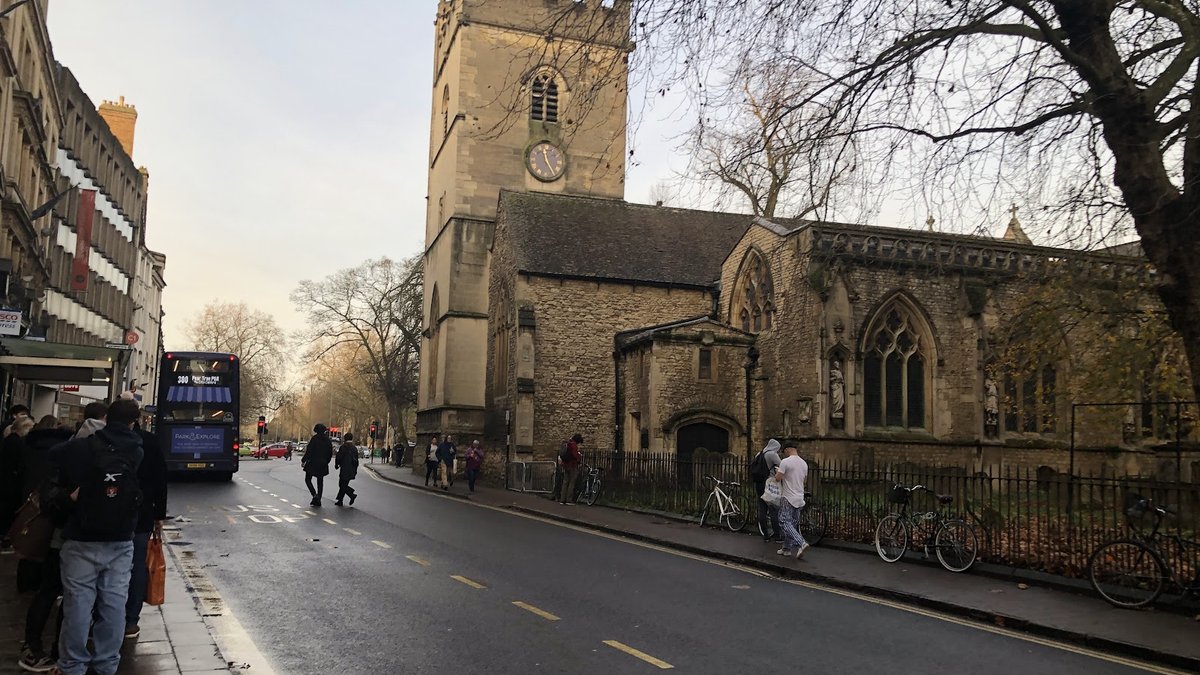
This morning I was standing just the opposite of it on a bus stop when I heard a loud thud. Man was just passing by and turned around. It seems like few bits fell down from it but I couldn't see where it came from.
Hope it will get checked as it could otherwise land on someone's head otherwise
Quarter on the other.
The memorial, last restored in 2003, stands in a prominent position in the centre of a road, providing an easily identifiable meeting place.
Absolutely amazing craftsmanship.
All accepted God's word as their sole rule of faith and practice, which was the readon for their martyrdom..
Where are the nen today of such devotion?