
Keble College
Oxford, OX1 3PG, GB
Rating: 4.6 ★ (144 ratings)
Details
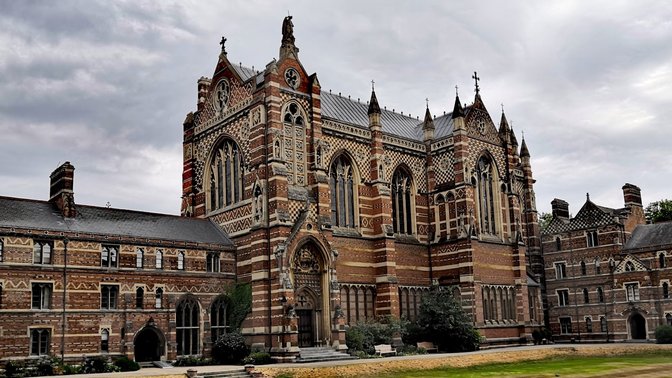
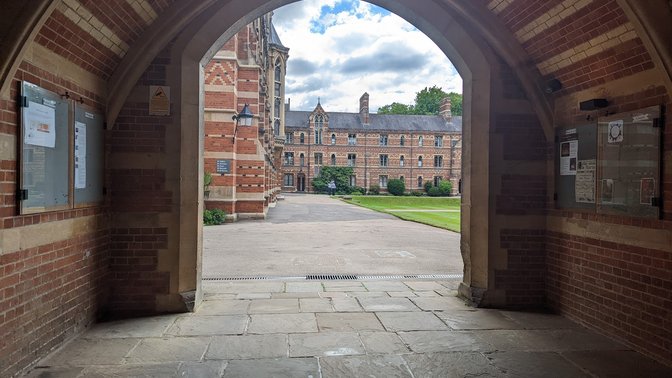
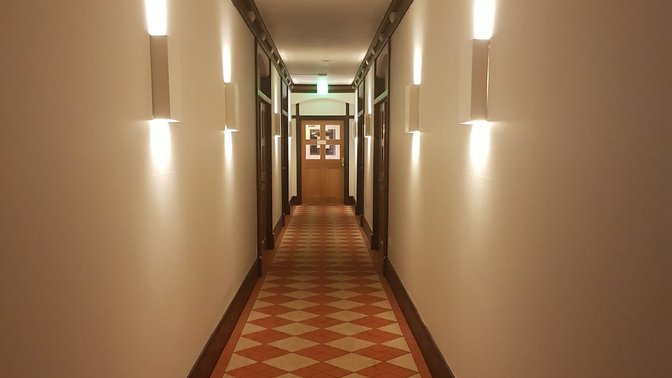
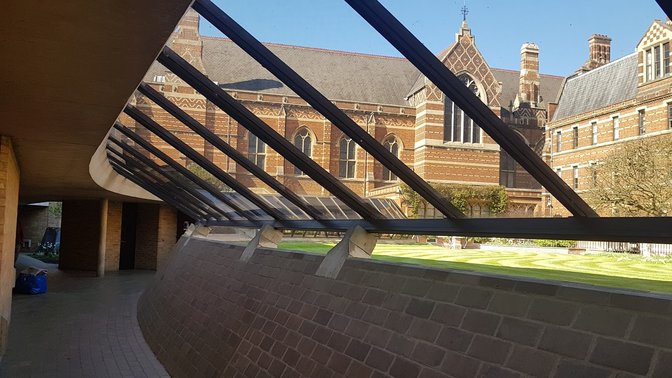
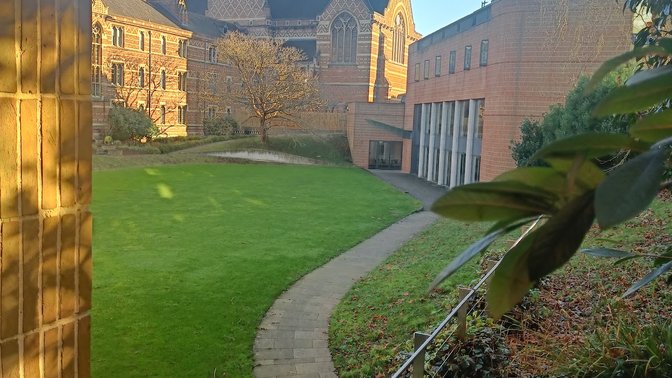
William Butterfield's distinctive, and once controversial, neo-gothic red-brick buildings greet you at Keble College, established in 1870 as a monument to John Keble, a leading figure in the Oxford Movement. The college's striking polychromatic brickwork, often humorously dubbed the 'holy zebra style', was intended to set it apart from its predecessors and certainly sparked debate, with some contemporaries decrying it as actively ugly while others lauded its originality. Initially focused on theological studies, Keble now embraces a wide array of academic disciplines, reflecting the diversity of the wider university. As you wander through Liddon Quad, the most iconic area, you are surrounded by these patterned brick structures, a testament to Butterfield's mission to 'give dignity to brick'. The college even broke with Oxbridge tradition by arranging rooms along corridors rather than around staircases.
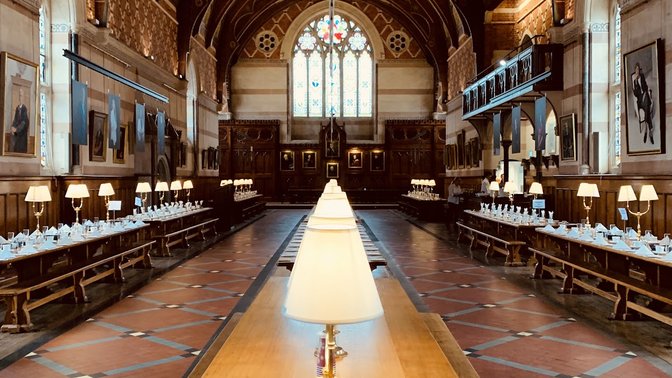
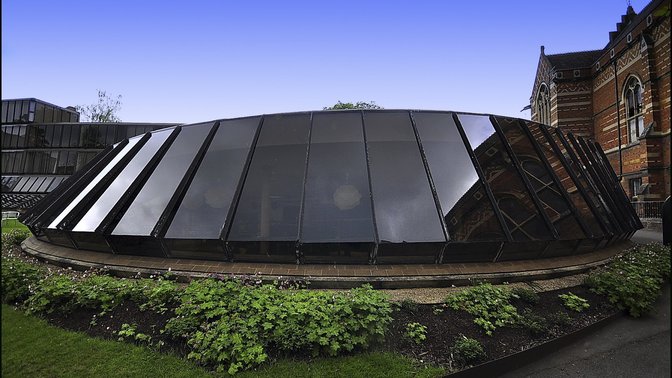
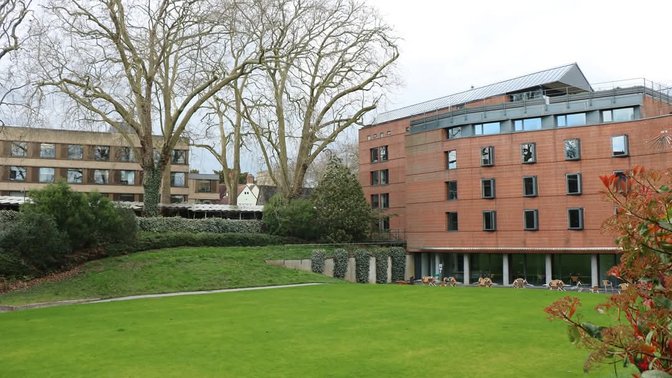
Don't miss the Keble College Chapel, the highest and most ornate of Butterfield's original buildings, which houses Holman Hunt's famous painting, 'The Light of the World'. This prized possession is a breathtaking piece, and visitors can easily view the masterpiece in the side chapel. Afterwards, marvel at the grandeur of the Dining Hall, the longest in Oxford, capable of seating 300 diners with its high arched ceiling and walls adorned with portraits. While Butterfield's Victorian Gothic architecture defines much of the college, later additions, such as the equally bold buildings by Ahrends, Burton and Koralek, and designs by Rick Mather, have expanded the college, maintaining brick as a dominant feature while introducing modern elements like glass to striking effect.
Location
Contact
+44 1865 272727
Comments
More comments will appear here over time.